DMV delay? Stuck in red tape? How your lawmakers can help you navigate NC government
AI-generated summary reviewed by our newsroom.
- Lawmakers handle high volumes of constituent casework across many agencies.
- DMV delays and access barriers generate frequent urgent requests to offices.
- Representatives coordinate with agency liaisons to expedite time-sensitive cases.
State lawmakers hear from their constituents every day.
Legislative inboxes are filled with messages from people, back home in the district and throughout the rest of the state, writing to share thoughts on how lawmakers are spending their time in Raleigh: what bills are being filed, which ones are moving forward, what issues aren’t getting enough attention, and what questions aren’t being answered in committees or during votes.
But many of these messages coming in from constituents aren’t about legislative business or issues of broad, public interest. A large portion of the emails and phone calls lawmakers receive every week are about the problems in and around government the people in their districts are facing in their everyday lives.
This constituent service casework, as it’s referred to at the General Assembly, covers a wide range of issues people need help with — everything from someone being unable to find an appointment to renew a driver’s license or obtain REAL ID ahead of imminent travel, to a school trying to get a new sidewalk built or the operator of a new day care center trying to get a state inspection scheduled.
The requests come in from every corner of the state and involve every part of government from the municipal and county level to the federal level.
There isn’t a centralized system for keeping track of these requests and responding to them, which means that each of the 170 members of the N.C. House and Senate handles their own caseload, and in their own way. Some lawmakers keep paper records. Many use spreadsheets, and with their assistants, maintain logs on the status of pending requests for help.
Often, before they’ve reached out to their representative or senator for help, constituents have spent weeks or months trying to navigate the bureaucracy of government.
The volume of requests that come in, and the frustration people develop as their requests test how responsive government is, makes legislative casework a meaningful and important function of the job of state legislators.
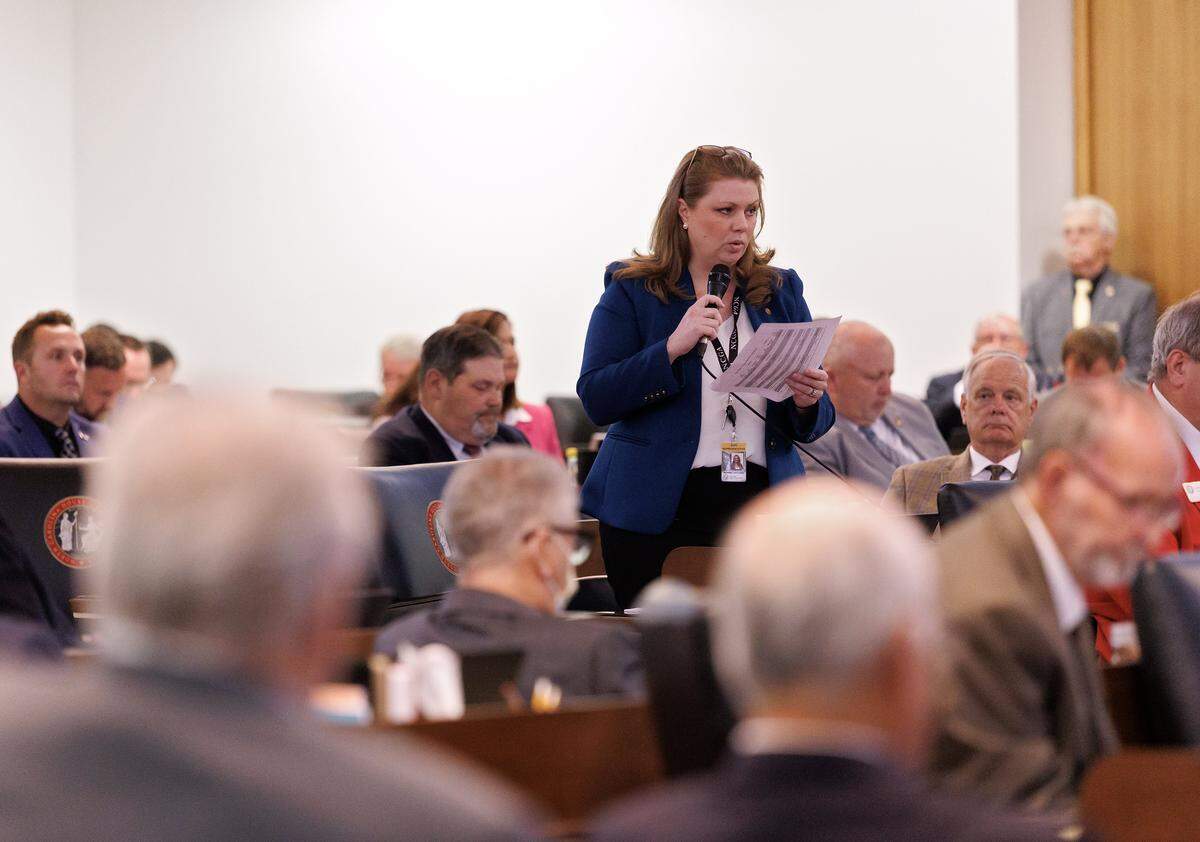
“It’s very rewarding,” said Rep. Erin Paré, a Holly Springs Republican currently serving her third term in the House. “It takes a lot of work because you have to navigate different lanes of state government, federal government, local government, in order to get some of these problems solved.”
Like other lawmakers The News & Observer spoke with, Paré said casework is the “best part” of her job because of the ability she has to directly make a difference in the life of a constituent she represents.
“It’s life-changing for people when you are able to fix a problem for them that basically they’ve been dealing with for quite some time, and is dominating their life,” Paré said.
Outsized share of calls about DMV troubles
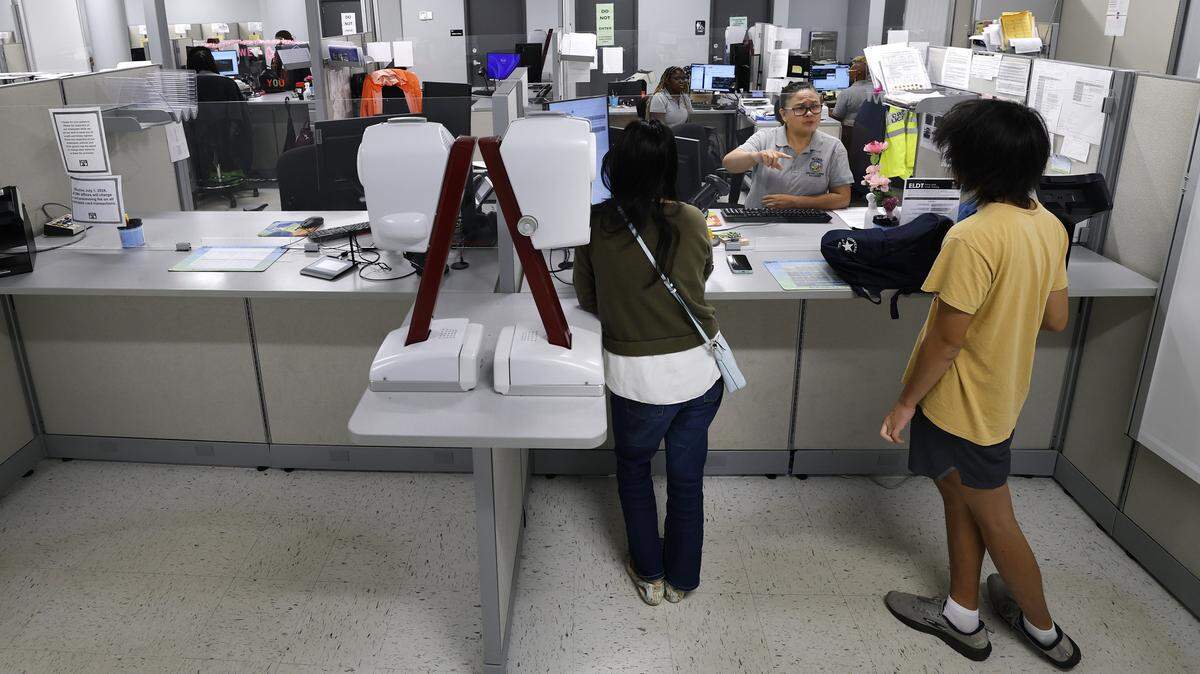
A common source of frustration for people all throughout the state, one that lawmakers said they routinely receive requests about, has been difficulty getting appointments and new documents at the Division of Motor Vehicles.
Paré said she heard from one constituent, a military veteran in his 80s, who earlier this year had to urgently travel to Boston for a medical procedure but didn’t have a passport and needed to obtain a REAL ID.
He reached out to Paré after he was told his birth certificate wouldn’t be accepted because it misspelled his last name with one incorrect letter, and didn’t match his other forms of ID.
After going “back and forth a long time,” Paré was able to work with the N.C. Department of Health and Human Services to order him an expedited and corrected birth certificate, so he could keep his travel plans and move forward with the procedure.
“He didn’t have time to navigate this, he couldn’t do it on his own. No one was giving him an exception, so he came to our office for help,” Paré said.
With many state agencies, including the DMV, lawmakers reach out to a legislative liaison — a state employee who lobbies for the agency in the legislature — for help with a constituent request, especially if it’s a uniquely complicated case or requires urgent, time-sensitive assistance.
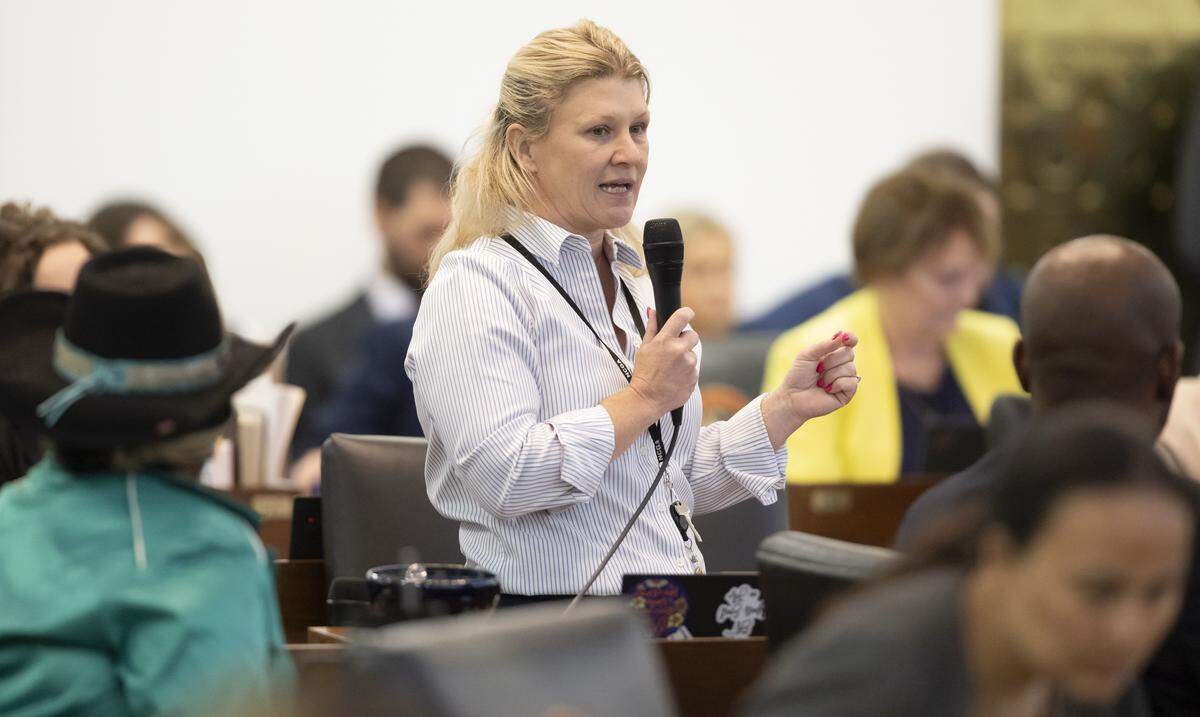
Rep. Laura Budd, a Matthews Democrat in her second term, said the DMV’s liaison has helped find available appointments in situations where a constituent needs to renew their license because they’re traveling soon, and they can’t get one “anywhere in the state.”
In those instances, Budd said, the liaison typically “reaches back pretty quickly and says, ‘I’ve located a DMV that’s five hours from your constituent, but they have an appointment on Tuesday at 10 a.m., can you take it?’”
Budd said that even while the DMV’s longstanding problems have made it the “redheaded stepchild of government agencies right now,” the work of the division’s employees to rectify these situations makes a difference.
“It shows that even when it doesn’t look like government’s functioning, it really is,” Budd said. “These are individuals who work with the different agencies and offices, and they’re dedicated to what they do.”
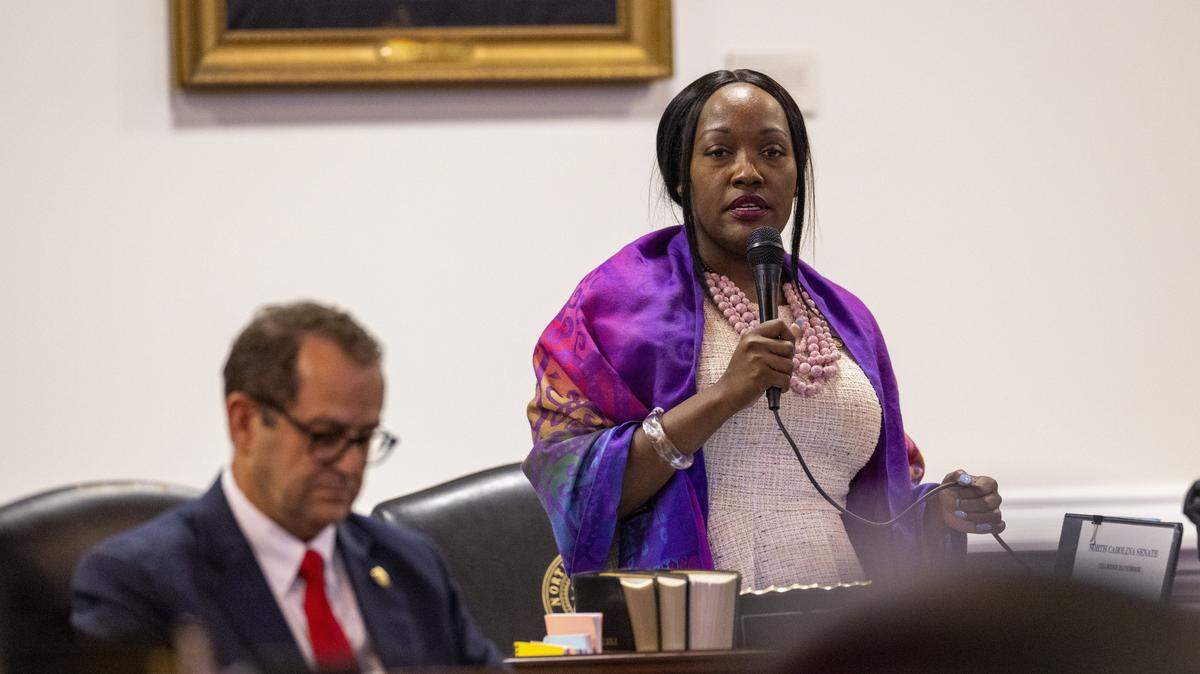
Sen. Natalie Murdock, a Durham Democrat, recalled a surge in requests for help with unemployment assistance at the onset of the COVID-19 pandemic in 2020. She said long lines at DMV offices in recent years have contributed to many calls to her office as well.
Murdock said there have been some cases that she brought to the attention of the agency’s commissioner or other staff directly.
She mentioned a constituent in her late 70s who needed to renew her license but couldn’t wait for hours in line or travel to multiple counties to find an appointment because she’d have to relieve the nurse at home looking after her husband who had dementia.
Agency staff reached out to the woman and were able to help her renew her license, Murdock said.
On occasion, lawmakers have cases come across their desks that require reaching out to officials in other states.
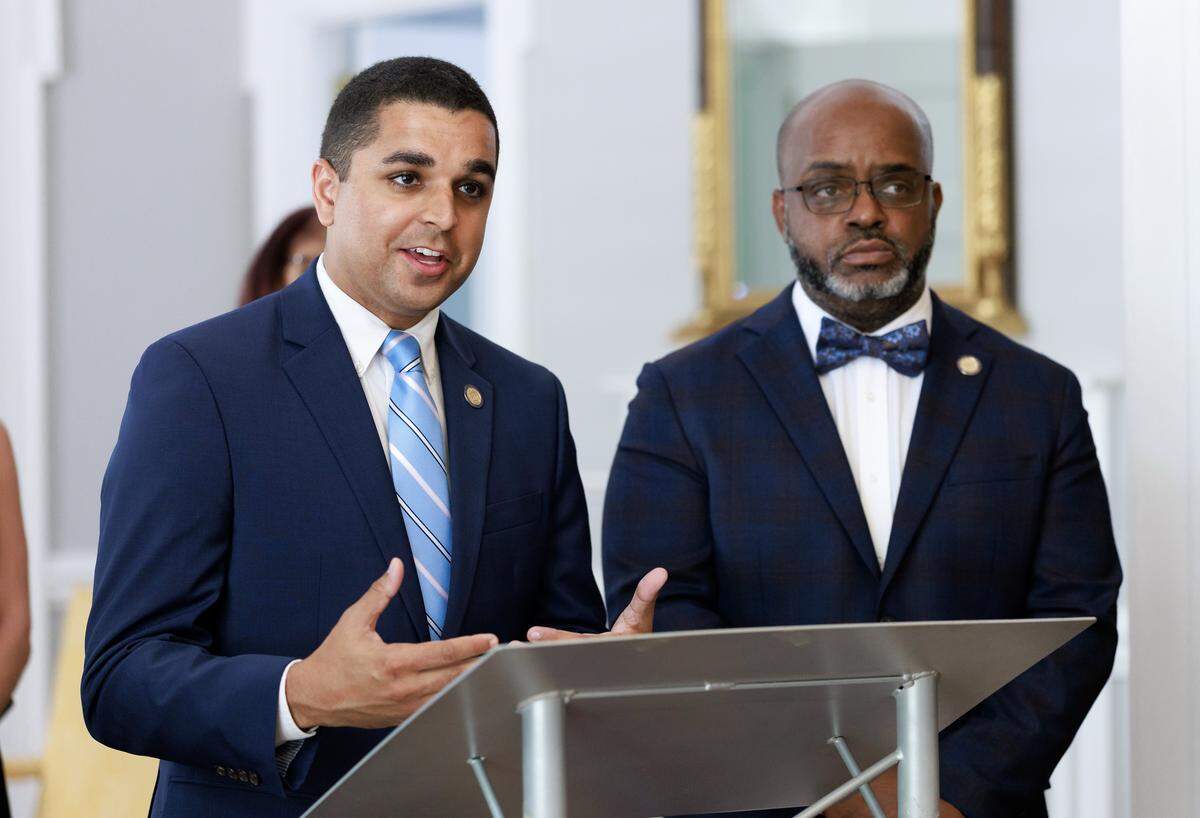
One constituent of Rep. Dante Pittman’s got in touch with him after his license was suspended because he was mistaken for someone else by the same name in Florida, who had unpaid speeding tickets.
Pittman, a first-term Democrat from Wilson, contacted officials in the Sunshine State to tell them they had incorrectly assigned the tickets to his constituent, and was able to clear up the issue.
State lawmaker intervenes to help with immigration case
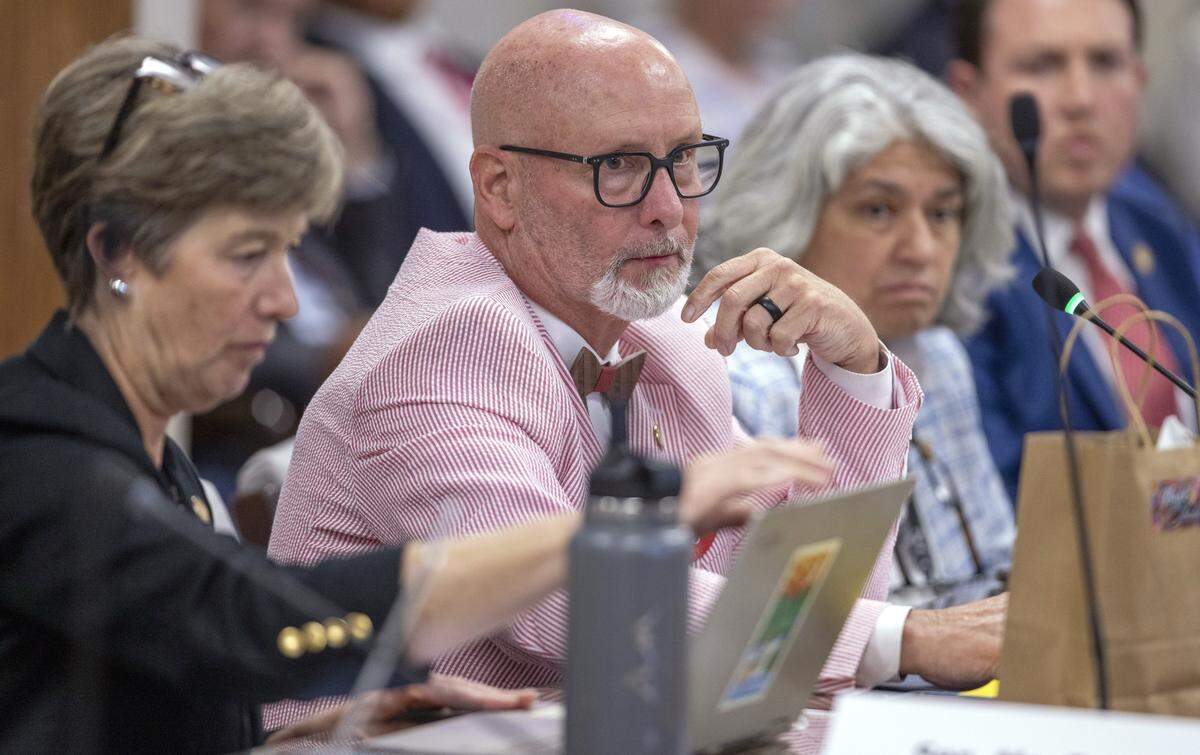
Another lawmaker who receives a high volume of requests from constituents, Republican Sen. Bobby Hanig, said that answering those requests is “the most important thing I do in the General Assembly.”
Hanig, who represents 10 counties in the northeastern part of the state, told The N&O that almost every call he gets from people in his district who need help is unique and different from the others.
“Whether it’s handling the situation myself or directing them to the proper agency, every scenario is different,” Hanig said. “Very seldom do I get a phone call that is the same as something I’ve dealt with before, because everyone’s needs are totally different.”
Hanig said that in his experience, most people are calling him for help after they’ve tried multiple other avenues in government.
“People that reach out to my office have been through the ringer,” Hanig said. “They have been through every level of a bureaucracy; pick one, and they’re frustrated, and they’re reaching out to me as a last-ditch effort to see if they can get some assistance.”
The requests Hanig has received in his time in the General Assembly range from relatively straightforward issues like DMV appointment troubles and passport renewals to “really complicated” ones like child custody disputes or the restoration of gun rights or voting rights years after a prison sentence.
In one recent case, Hanig recalled, a constituent who emigrated from South America to North Carolina on a work visa and then a student visa was told after graduating from college that she needed to complete two additional courses.
Since her student visa had expired, the woman, who was working on getting her doctorate in pharmacy, lived with the fear and stress of temporarily being in the country illegally and “waiting for the federal government to come knock on her door and tell her to go home.”
“She’s here doing it the right way, trying to do every single thing she’s supposed to do, and then the bureaucracy gets her all twisted up,” Hanig said.
Hanig monitored the woman’s case and communicated with multiple offices at the federal level last year to try to get her legal status reinstated. It eventually happened last fall, a little more than a year after Hanig first got involved in the case in late 2023.
The woman was able to stay in the U.S. and continue her education, Hanig said, and remain on a path to citizenship.
Hanig estimated that he receives between 50 and 70 requests from constituents per month.
The Currituck County Republican, who was elected to two terms in the Senate after serving two in the House, and is currently running for Congress from the 1st district, said he tends to get calls after talking to constituents at local government meetings and telling them his office is available to them as a resource — something many don’t realize.
“Contact your legislators; that’s what we’re here for,” Hanig said. “I keep my cell number on my General Assembly business card. People think I’m crazy, but if they can’t get a hold of me, I can’t help them.”
Lawmakers teaming up to solve problems, across party lines
Some requests are simple, but people don’t know how to go about getting them addressed and reach out to lawmakers for help in getting them directed to the right place.
Pittman said his favorite case so far was helping a constituent in his district, which covers Nash and Wilson counties, who lived on a rural road and was fed up with people littering on his property while driving through.
The solution? Contacting the N.C. Department of Transportation and requesting the installation of a no-littering sign. Within a few weeks, Pittman said, the sign was up and the constituent said it was already making a difference.
“That, to me, was another example of just stripping things down and just looking at them and saying, ‘This is a need a constituent has, an easy fix, and cut through all of the nonsense,’” Pittman said.
Some more complex requests can necessitate a lawmaker involving or consulting with other legislators as well.
Murdock remembered a situation during the pandemic, when nearly every facet of state government featured major backlogs, that required her to work with two other colleagues who also represent Durham, Reps. Vernetta Alston and Zack Hawkins, to get a health inspection scheduled for a new child care center slated to open downtown.
The lawmakers heard that Kate Goodwin, the owner and CEO of Kate’s Korner Learning Center, needed help in getting a visit from DHHS so that the inspection could be completed and the rest of the process could move forward. The center opened in the spring of 2023.
“Understandably, it was COVID, they were spread very, very thin, and we just needed to schedule DHHS physically coming to check the property,” Murdock said. “But that is another one where it literally took legislative intervention, since it was COVID and everything was taking longer.”
Casework also regularly features collaboration across party lines.
Budd remembered sitting in a committee meeting last October in the immediate aftermath of Helene’s devastation in Western North Carolina, when Rep. Mike Clampitt, a Republican from Swain County, asked for her help with application forms for federal funding that local officials in his district were having trouble with.
A business lawyer by trade, Budd was happy to help.
“If you aren’t familiar with it, and it’s not in your wheelhouse, and you’ve got disaster relief operations that are five-alarm fires that you’ve absolutely got to address, nobody has the bandwidth or the brain power, because you’re too tired, not because you’re not smart, but because you’re too tired, to go figure out how you apply for this,” Budd said.
Budd said that whether she’s helping her constituents or the constituents of her colleagues at the legislature, it’s all ultimately “help for the state of North Carolina.”
“It doesn’t have to be in District 103,” Budd said. “I’ll help in any district where somebody says, “Hey, I have a need, I think you maybe might be able to help, or if you can’t help, is there somebody that you know?’”
“I’m always willing to do that, most members are willing to do that,” she said.
Each of the lawmakers The N&O spoke with said they and other colleagues rely on their assistants to help manage their office’s casework.
Legislative assistants help keep track of requests as they come in, follow up with constituents, and reach out to relevant officials and agencies across the state to get issues addressed. Staying on top of requests is no small task, as spreadsheets and email folders quickly fill up with hundreds if not thousands of cases and messages.
Seeing requests through to a final resolution can take weeks, months, or longer.
Hanig, for example, said there were some cases that started during his first term in the House and weren’t resolved until his second term.
Dealing with government can many times be quick and easy. Lawmakers are keen to mention those instances as well, to remind people that “good things are happening in government, too,” as Pittman said.
But, Hanig said, there are still “quite a few times where someone could get stuck in the spin cycle infinitely.”
This story was originally published October 30, 2025 at 5:30 AM.