NC lawmakers are looking at property tax law. What that means for you
AI-generated summary reviewed by our newsroom.
- North Carolina House pursues 2026 property tax reform; Senate approval uncertain
- Local governments set rates and spend revenue on schools, safety and infrastructure
- Committee will review tax exemptions and relief, could change what’s exempt
North Carolina could get a new law about property taxes in 2026, if some state House members have their way.
Republican House Speaker Destin Hall is making property tax reform a focus, and lawmakers are taking a closer look at it. There are still several steps that must be reached along the way before the House passes legislation, and that could be stifled by the Senate.
Hall said that all across the state, “we’ve seen real estate values go up sometimes 100%, just over four years or so. And it’s made the tax bills go through the roof.”
Democratic Gov. Josh Stein said he is open to considering changes in property taxes, as long as they “hold local governments harmless.”
Here’s what you should know about how property taxes work and how the state might change the law.
Who gets the money?
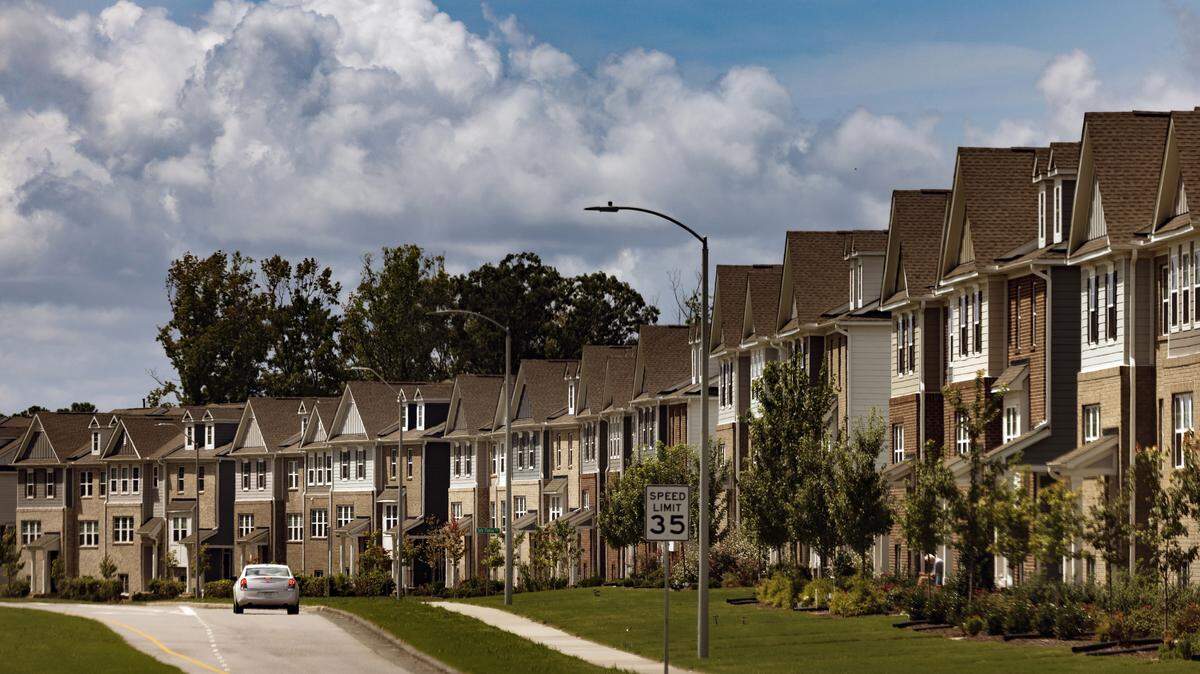
Depending on where you live, you may pay county taxes and town or city taxes. So if you own a home in Raleigh, you pay property taxes on your house and land to the city of Raleigh as well as Wake County. Property taxes are generally included in your mortgage payment when you get your loan, so most people don’t pay the bill separately. If you are a renter, your landlord pays the property taxes.
How is it calculated?
The tax rate is set by your board of county commissioners and town or city council, and counties assess the value. Local governments set the rate and make any other changes during their annual budget process. County and municipal governments hold several public meetings about their budgets in the spring before taking final votes on a budget by June, as the fiscal year ends June 30. If you want to tell your local elected officials what you think about property taxes, the 2026 budget discussions start in late winter.
What are they spending your property tax on?
For your county property taxes, a lot of that money goes to operating the public school system. Wake County’s government breaks down its spending on its website, which shows just over 50% going to schools. The money also goes to the sheriff’s office, other emergency services, housing and human services.
At the municipal level, your town and city property taxes pay for major departments like police and parks and recreation. And your taxes also pay for infrastructure.
Does everyone pay the same amount?
No, there are “circuit breaker” programs to limit the property tax burden, especially for older adults. State lawmakers are taking a closer look at offering more relief.
Rep. Erin Paré, a Wake County Republican who co-chairs the House’s new property tax reform study committee formed by Hall, said she hears “all the time how rising property taxes are pushing seniors in Wake County out of their home in their golden years.”
Paré said during a December committee meeting that high property taxes are also pricing new homebuyers out of the market, “preventing hardworking people from achieving the American dream.”
Who could be affected?
While property tax is a local funding issue, it is governed by state law.
The state law about property taxes is called the Machinery Act. Nope, it’s not about actual machinery, but rather the “machinery” for how property is assessed and how taxes are levied.
Only the General Assembly can classify property for taxation, or exempt it.
Paré told The N&O after the committee’s first meeting that House members will scrutinize exemptions that go to some nonprofits, including hospitals.
“I look at this property tax — sort of, monster — as a phase-by-phase approach. There are so many pieces to it,” Paré said. “If you look at the exemptions for some of these larger nonprofits or from the commercial side, (they may be) too overly generous. It’s not just a seniors in their home issue. This is much bigger.”
What will lawmakers do?
Members of the property tax reform committee are charged with finding ways to “reduce the property tax burden on taxpayers in North Carolina” and to “consider reforms that provide property tax relief to taxpayers while balancing potential impacts on local government revenues.”
Rep. Maria Cervania, a Wake County Democrat, told her colleagues that they should make sure that local governments will continue to have the funds they need for schools and other services.
Gov. Stein told The N&O in a December interview that he’s “certainly open to that conversation” about changing property tax law.
“We have to be mindful that the revenue for property taxes don’t go to the state,” Stein said. They go to counties and cities, and so they have their own burdens on their budgets in terms of paying for law enforcement, paying for the local jail, paying for Parks and Rec, paying for police officers, garbage collection. And so anything that the state does should hold local governments harmless.”