State law loophole lets Durham, Orange investors avoid paying property taxes
AI-generated summary reviewed by our newsroom.
- Loophole lets owners claim nonprofit exemptions if a nonprofit controls/manages
- Five counties lost about $60M in exemptions; statewide est. $80–$100M
- House committee proposes specific tighter eligibility, reporting and time limits
A state House committee will discuss a tax loophole next week that’s helping corporate housing investors avoid paying property taxes and leaving local governments and taxpayers to cover millions needed for schools, public safety and other services.
The loophole is projected to cost the city of Raleigh $2.38 million this year and $2.95 million next year, The News & Observer has reported. Wake County’s projected loss is higher — $4 million this year and $6.2 million next year — the county’s tax administrator has said.
In Orange and Durham counties, the combined tab is approaching several million dollars, records show, and some owners are filing deeds that show how the “Blue Ridge Loophole” works.
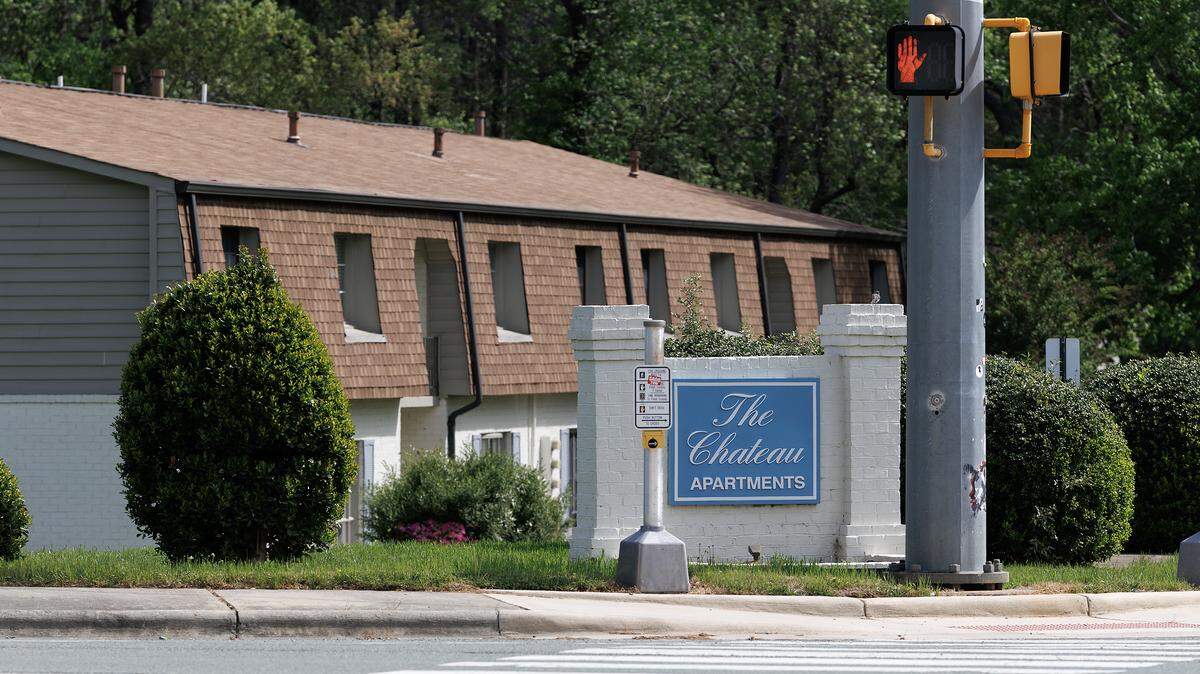
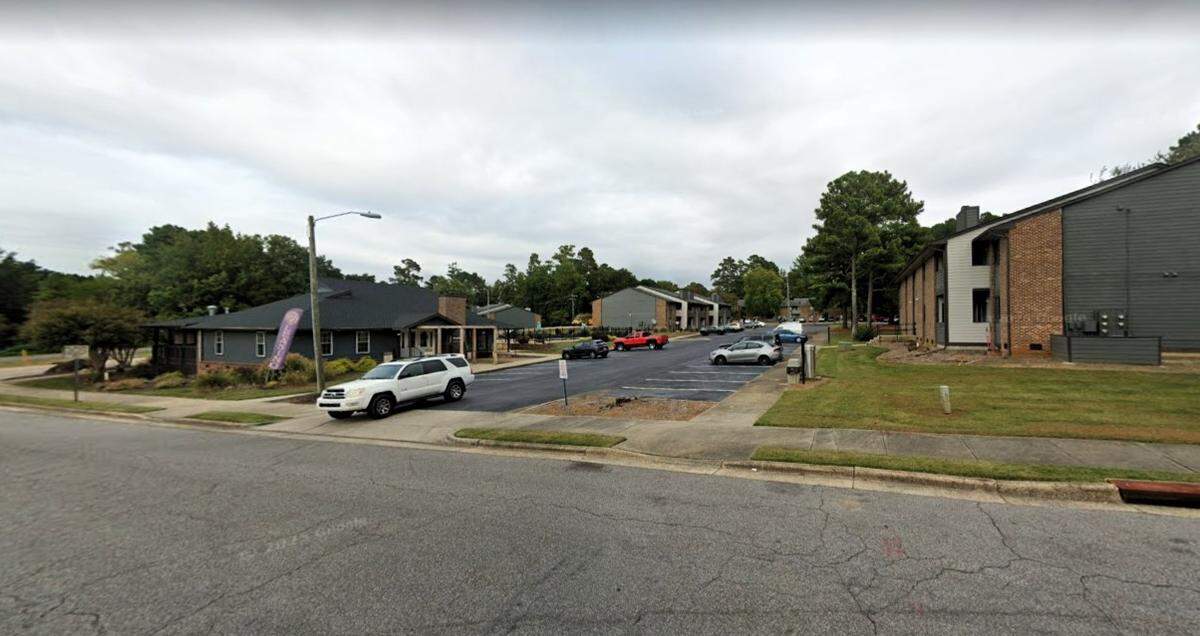
In July, Chateau Apartments NC LLC filed several documents with the Orange County Register of Deeds after closing a $21 million deal to buy the Chateau Apartments complex in Carrboro.
One was a partnership agreement between the new owner and Opportunity South Carolina, a nonprofit that provides “safe and affordable housing for very low income, low income and moderate income residents.”
The document was signed by Mark Elliott, a longtime real estate professional and the nonprofit’s chairman and CEO, who now helps multifamily housing owners and investors secure property tax exemptions in North and South Carolina.
But the Opportunity South Carolina website shows the focus is more on investor profits than helping people find housing, boasting that it has helped over 50 property owners save 80% or more on taxes and secure immediately higher net operating incomes.
In North Carolina, the loophole is possible under a 1975 law that exempts nonprofit housing owners from paying local property taxes. For-profit investors recently discovered they can benefit by partnering with nonprofits to buy older and potentially distressed properties — a maneuver that’s being referred to as “renting a nonprofit.”
The problem ballooned in recent years when attorney firms partnered with brokers to market older, less-expensive rental housing and emphasized the availability of the tax exemption, Wake County Tax Administrator Marcus Kinrade told the Raleigh City Council on March 17.
“All that started happening quickly in 2024, and then it really just snowballed in ‘25,” he said.
The law doesn’t define ownership or affordable housing, however, allowing exemptions even if a nonprofit partner has a less than 1% stake. And there are no guarantees that a property will remain affordable housing long term, Kinrade said.
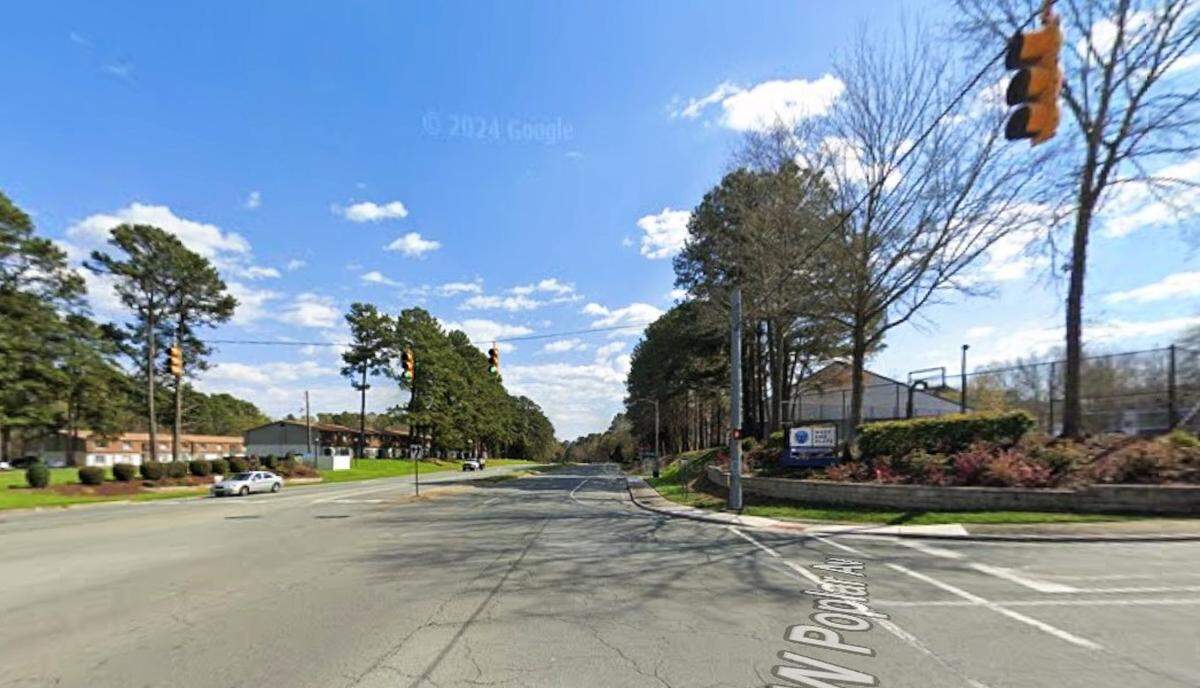
The loophole also lets owners renovate and raise the rent, as long as they lease apartments to working families earning 80% or less of the area median income, or $64,750 a year for a single person in Durham and Orange counties. A one-bedroom apartment at the Chateau in Carrboro rents for $1,105 a month, about $630 less than the federal rent limit for someone earning 80% of AMI.
Income limits are higher for larger families, and rent limits are higher for more bedrooms.
Members of the N.C. House Select Committee on Property Tax learned recently that the number of exemptions grew 93% from 2021 to 2025, and 75% more property value has been excluded from local taxes in the last two years.
The loophole has already cost the five most-affected counties — Wake, Mecklenburg, Durham, New Hanover and Guilford — roughly $60 million in annual property tax revenues, according to an N.C. Association of County Commissioners report.
The total statewide impact could already be $80 million to $100 million, the report noted.
Durham tax cuts hit tight budgets, rising costs
Durham County has seen a rapid escalation in the use of this exemption, leading to a “leak” in the local tax base.
- The county processed 43 applications in the 2025 tax year, resulting in $320.67 million in exempted property value.
- That meant $1.78 million in lost annual revenue based on a county property tax rate of 55.42 cents per $100 in assessed value.
- The county has received 42 applications for 2026so far and expects to “aggressively surpass” the previous total.
As the county prepares for the 2026-27 budget process, the loophole will shift more of the burden to taxpayers to fund services, like schools, public safety and infrastructure. It’s also happening alongside last year’s countywide property tax revaluation, which saw values increase by over 71% on average.
Durham County Manager Claudia Hager briefed the Board of Commissioners on Monday about how federal and state policy shifts will affect county services. In addition to examining the loophole’s effect on the budget process, county officials are preparing for budget shortfalls.
“Growth and revenue is not keeping up with expenditures, and we’re getting to the point, if we continue doing some of the things that we want to do and have been doing, that we are looking at property tax rate increases every year just to keep doing things,” said Keith Lane, the county’s budget director.
Loss limited so far in Orange County
In Orange County, the loophole consumed about $742,844 in property tax revenues this year (five properties worth $56.6 million), spokesman Wil Glenn said.
The loss of tax revenue is also coming on the heels of a revaluation that sharply increased property values for many homeowners and tax-rate increases in the last few years.
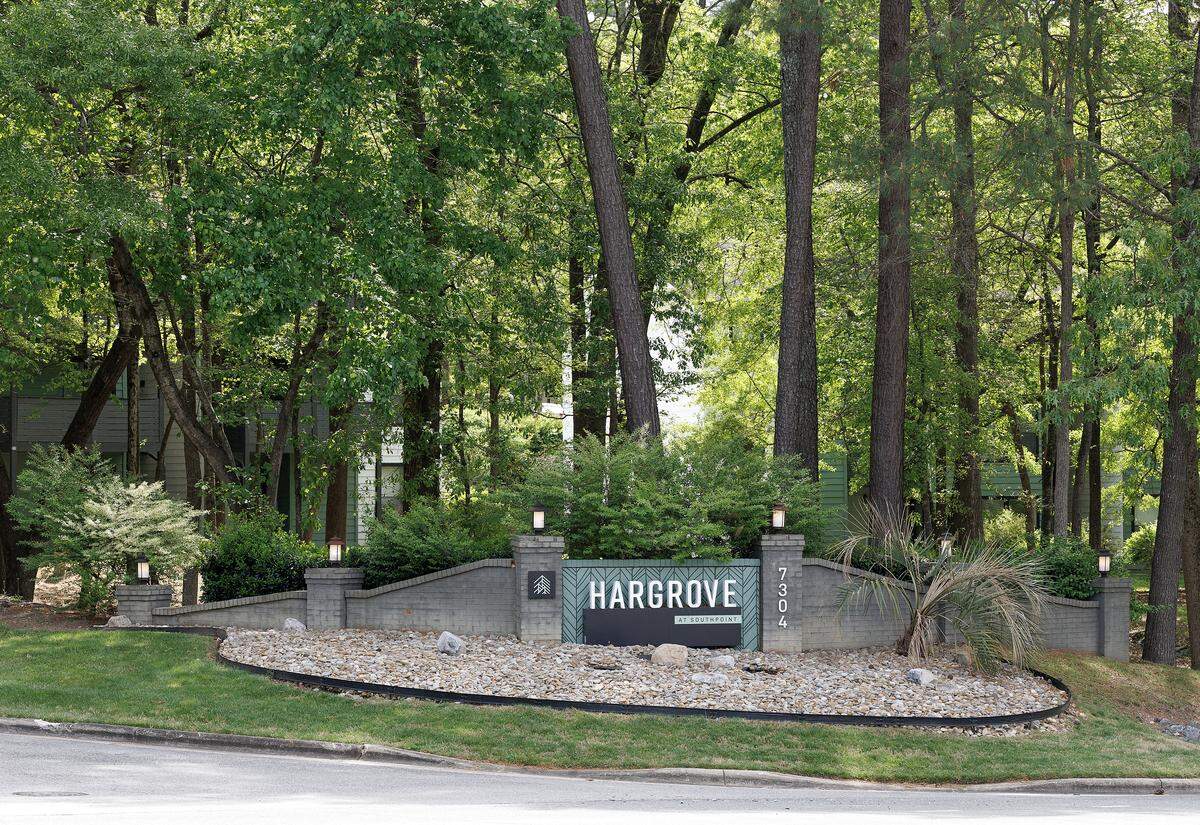
The next budget cycle could see four more property owners get exemptions, bringing the county’s potential revenue loss to about $1 million, data shows. Besides Chateau Apartments, Opportunity South Carolina also partners with West Village in Hillsborough and Rise Chapel Hill.
Carrboro’s Berkshire 54 partners with Foundation for Affordable Housing, an Oregon-based nonprofit housing partner, while Hillsborough’s Heritage Apartments partners with California-based Hearthstone Housing Foundation.
This is how the loophole affected the towns:
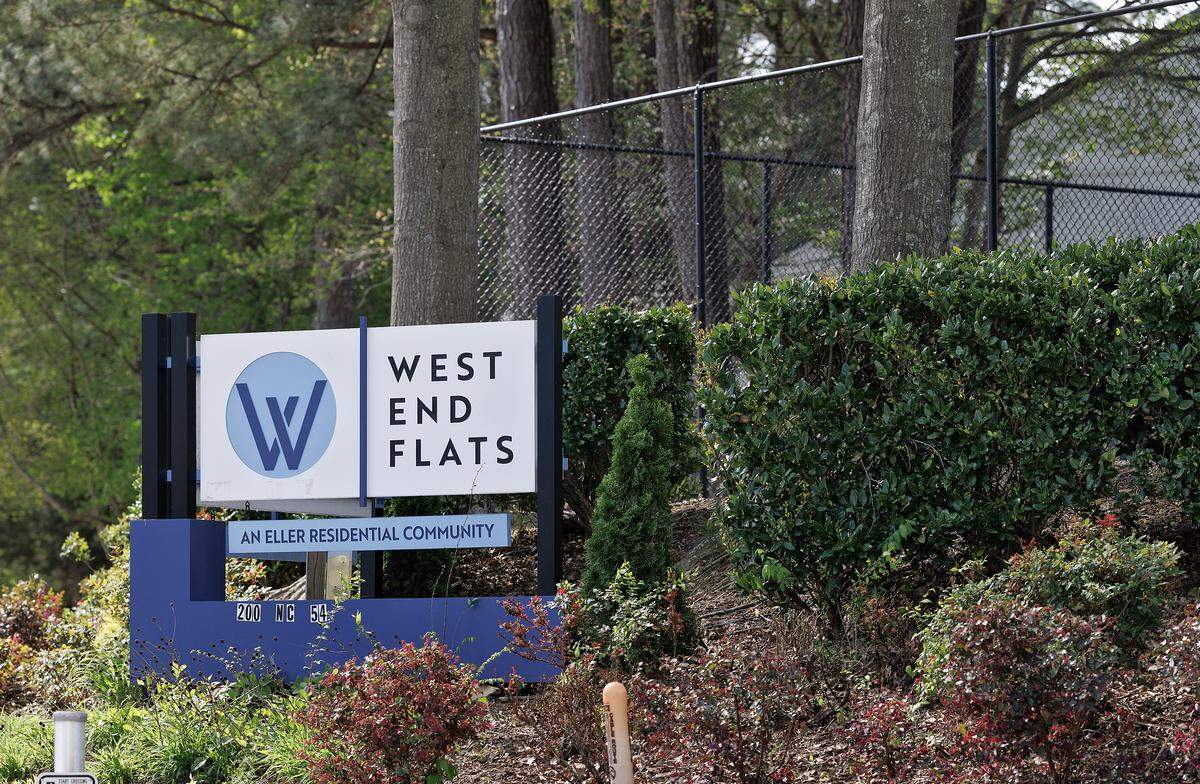
Carrboro: Lost $175,677 in tax revenues this year on Carolina Springs Apartments and West End Flats Apartments. Next year’s total loss could potentially reach $463,118 if Berkshire 54 and Chateau Apartments (over $50.8 million in property value) get exemptions.
Chapel Hill: Exempted $108,928 this year for DHIC’s nonprofit-owned Homestead Road senior housing project — aimed at 55-plus tenants earning 30% to 60% of AMI — and the 86 North apartments, which were sold in November to an Arizona-based investor. The 86 North complex was renamed Rise Chapel Hill, and the new owner has reapplied for the exemption.
Combined with a separate application from local nonprofit housing provider Empowerment Inc., the town could see a total potential loss next year of $216,487 in tax revenues.
“However, it is not possible to predict how many additional developers or property owners might apply for the exemption in future years. We will continue to monitor this annually and adjust our forecasts as information becomes available,” town spokesman Alex Carrasquillo said.
Chapel Hill-Carrboro City Schools: Lost $78,183 in special district tax revenues this year, and could see a $185,203 loss next year.
Hillsborough: Lost nearly $19,000 on the West Village Hillsborough Apartments, owned by a Raleigh investor. A San Diego investor is seeking an exemption for Heritage Apartments, raising the potential tax revenue loss to $99,642.
How could state lawmakers respond?
The state House committee will consider several changes at its April 15 meeting:
- Define affordable housing as housing that costs renters up to 30% of their annual income, and limit incomes to 80% of the area median income.
- Require over 50% of the housing to meet rent and income limits.
- Limit eligibility to nonprofits with a 100% stake (and five years of experience) or active partnerships with private developers.
- Limit property tax exemptions to affordable units in a larger complex, or projects that meet IRS “safe harbor” rules.
- Consider private housing developers using government financing, including in partnership with nonprofits. Only require deed restrictions to keep units affordable for 15 years instead of 30 years.
- Limit tax deferments on land held for future affordable housing to five years.
- Require annual taxpayer reports on rent rolls, income and affordability compliance.
- Make nonprofit housing operators reapply for the exemption by Dec. 31, 2026.
NC Reality Check is an N&O series holding those in power accountable and shining a light on public issues that affect the Triangle or North Carolina. Have a suggestion for a future story? Email realitycheck@newsobserver.com.
This story was originally published April 8, 2026 at 8:26 AM.