Lobbyists were indicted over bourbon tour for NC legislators. What happens next?
AI-generated summary reviewed by our newsroom.
- Raleigh lobbyists were indicted for using clients to fund lawmakers' bourbon tour
- Ethics Commission will investigate, then refer cases to the Legislative Ethics Commission.
- Criminal charges target lobbyists; lawmakers could face civil sanctions
Even after a Wake County grand jury this week indicted four Raleigh lobbyists for allegedly violating North Carolina’s ban on providing gifts to state legislators, it is still unclear whether lawmakers will face penalties.
Kevin Wilkinson, David Ferrell, Douglas Bowen Heath and Douglas Miskew each face a misdemeanor charge of solicitation to commit violations of the offense of giving gifts by lobbyists and lobbying principals.
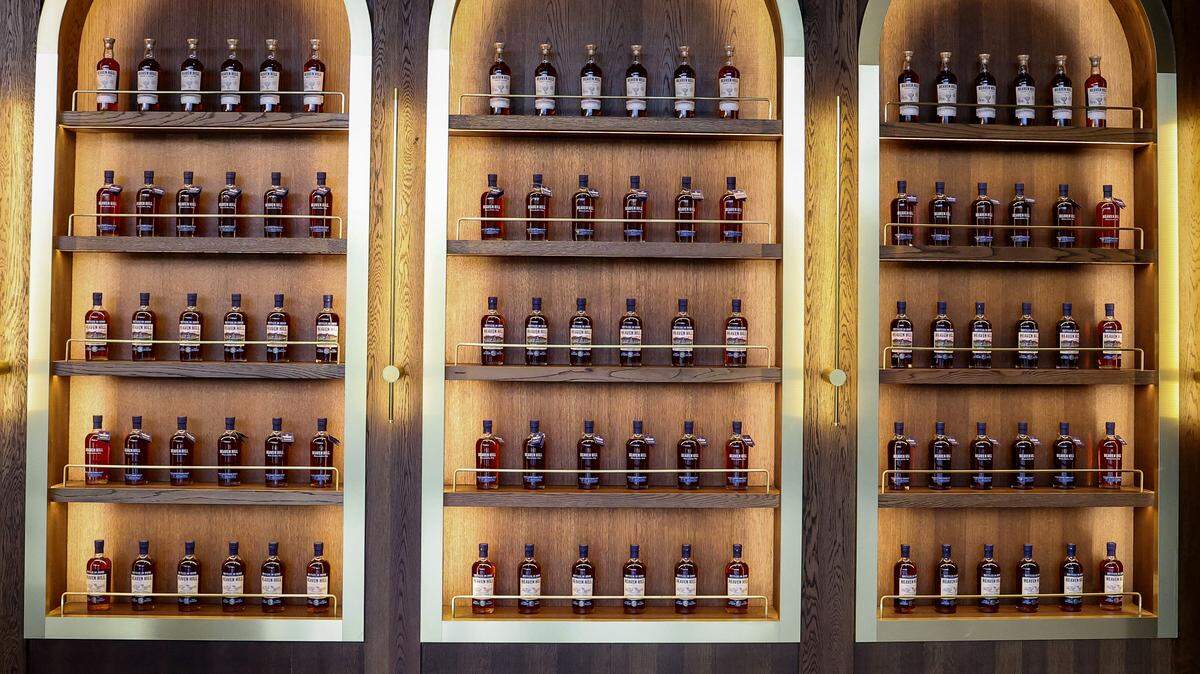
The indictments say that the four used their clients to pay for lawmakers in 2024 to attend a bourbon tour in Kentucky. The money went to tour sponsor Greater Carolina, a nonprofit based in Mooresville, which then paid the travel, meal and hotel costs.
The lobbyists are accused of asking their principals, or companies that they represent, to sponsor travel and meals for the state lawmakers. A few of the lobbyists said they did not do anything wrong.
Here’s what we know about what comes next, who could face consequences and what questions remain.
Who else was involved?
Former Rep. Jason Saine, a Lincolnton Republican, is closely associated with Greater Carolina. Saine left the legislature three months after the second distillery tour to become a lobbyist. Clark Riemer, a former aide to Saine, set up Greater Carolina in 2018. The group is organized as a social welfare nonprofit and describes itself as a conservative, free-market group.
The only two lawmakers to disclose that they went on the 2024 trip are Saine and state Sen. David Craven, an Asheboro Republican. Craven served as Greater Carolina’s secretary in 2020, the year he joined the state Senate. But neither they nor two other lawmakers whose names turned up on receipts from the trip disclosed it on their statements of economic interest.
In a statement, Craven said he attended the trip in 2024 “in my capacity as the Chairman of the Senate Commerce Committee to get a better understanding of how other states handle liquor sales and any dangers that come with expanded access.”
North Carolina is one of 17 states where the state government controls liquor sales.
Nonprofit Carolina Forward, a left-leaning policy organization, filed a complaint alleging some of those involved in the trip had broken the law.
Who else is looking into this?
Blair Reeves, the founder and former executive director of Carolina Forward, said the organization submitted its complaint to the State Ethics Commission, the Legislative Ethics Committee, the IRS and the N.C. Secretary of State.
Kathleen Edwards, the executive director of the State Ethics Commission, said she cannot discuss the details of a complaint or even acknowledge its existence because of confidentiality provisions in the Ethics Act.
She said if a complaint alleging a gift ban violation complaint by a legislator is submitted, and the commission completes an investigation, the commission then has to refer the case to the Legislative Ethics Committee.
The Legislative Ethics Committee is a group of bipartisan representatives and senators in the General Assembly. Edwards said the group has the “final authority” over any sanctions stemming from the complaint.
Are lobbyists allowed to give gifts to lawmakers?
Sometimes.
State law defines a “gift” as anything of monetary value given without valuable consideration, meaning without something of equal value being exchanged. The State Government Ethics Act forbids legislators and legislative employees from accepting gifts from lobbyists or their principals.
There are exceptions, including items of low value, specifically less than $100, gifts from those with personal or familial relationships, and expenses of educational meetings directly related to a lawmaker’s duties.
Reeves said the Wake County District Attorney’s Office taking up this case “is pretty remarkable.”
“They’ve really not done anything about the political corruption in the legislature for many, many years,” he said.
Reeves said the investigation against the lobbyists could result in fines of $5,000 per violation by the State Ethics Commission, unless additional fines are levied by North Carolina’s secretary of state.
He added that lobbyists could be barred from acting as a lobbyist for two years. The civil penalties would be in addition to any criminal penalties levied against the lobbyists.
Could lawmakers face consequences?
It’s possible.
Wake County District Attorney Lorrin Freeman told The News & Observer that lawmakers who participated in the bourbon tour are “responsible for enforcing the prohibition against gifts, ... but there’s no criminal violation associated with that in the Ethics Act.”
She said a lawmaker receiving a gift does not result in a criminal violation.
A criminal violation would result from knowingly failing to disclose information or providing false information — a misdemeanor and a felony, respectively — on a statement of economic interest, according to state law. That’s a disclosure form many state officials are required to file.
Edwards added that a separate statute, the Legislative Ethics Act, prohibits bribery or legislative threats made in order to influence legislative action. She said a violation is a felony offense.
Sanctions from the Legislative Ethics Committee, meanwhile, could include dismissal, holding hearings or referring “the matter to the appropriate house for appropriate action, which may include censure and expulsion” for the lawmakers, according to state law.
Why weren’t the companies charged? Or Greater Carolina?
Three of the four lobbyists who were indicted have represented alcoholic beverage companies.
Freeman said those companies weren’t charged with a crime “primarily because they are out of state.”
“The individuals that were within our jurisdiction are their registered lobbyists,” she said.
Freeman said an investigation into Greater Carolina, including beyond the bourbon trip to Kentucky, is ongoing.
This story was originally published April 24, 2026 at 12:13 PM.