Wake County lawmaker proposes changing how taxes on meals work in local towns
AI-generated summary reviewed by our newsroom.
- Rep. Erin Paré filed House Bill 1215 to change meals tax allocation in Wake County.
- The bill would require meals tax funds to be used to promote travel and tourism.
- Paré and Rep. Mike Schietzelt seek to ensure municipalities benefit from meals tax.
A North Carolina House Republican wants to change how money collected from a Wake County meals tax is allocated.
Rep. Erin Paré, a Holly Springs Republican whose district includes southern Wake County, is sponsoring a bill that would ensure that the county’s smaller municipalities benefit from the sales tax that the county charges on food and beverages.
House Bill 1215 would require meals tax funds to be used to promote travel and tourism, including advertising and marketing.
Paré filed the bill Thursday, co-sponsored with Wake County Republican Rep. Mike Schietzelt, that “reallocates how the meals tax is being done. So right now ... you pay 1% prepared food and beverage tax on everything you buy. All of that goes to Wake County, and it’s mostly the municipalities who are generating it don’t get any of it back, unless they compete for a small grant, which you either get or you don’t get,” she said.
She wants towns to “have a return on what their communities are generating, for investment back in their municipalities.”
But the North Carolina Restaurant and Lodging Association told ABC11, The News & Observer’s news partner, that the bill “weakens support for major tourism drivers that generate substantial economic impact for the entire county.”
The money from the 1% tax on food and drinks has helped pay for big projects in Raleigh. Wake County says that the bill would redirect over $20 million a year meant to support projects like renovations to Lenovo Center and the Raleigh Convention Center, ABC11 reported.
Wake County and Raleigh, through what is known as an interlocal agreement, have primarily made the decisions about how to spend the tax revenue, ABC11 reported.
According to the bill, if it becomes law, Wake County and Raleigh would be required to amend their interlocal agreement “to include as parties to the agreement at least three other municipalities within the county.”
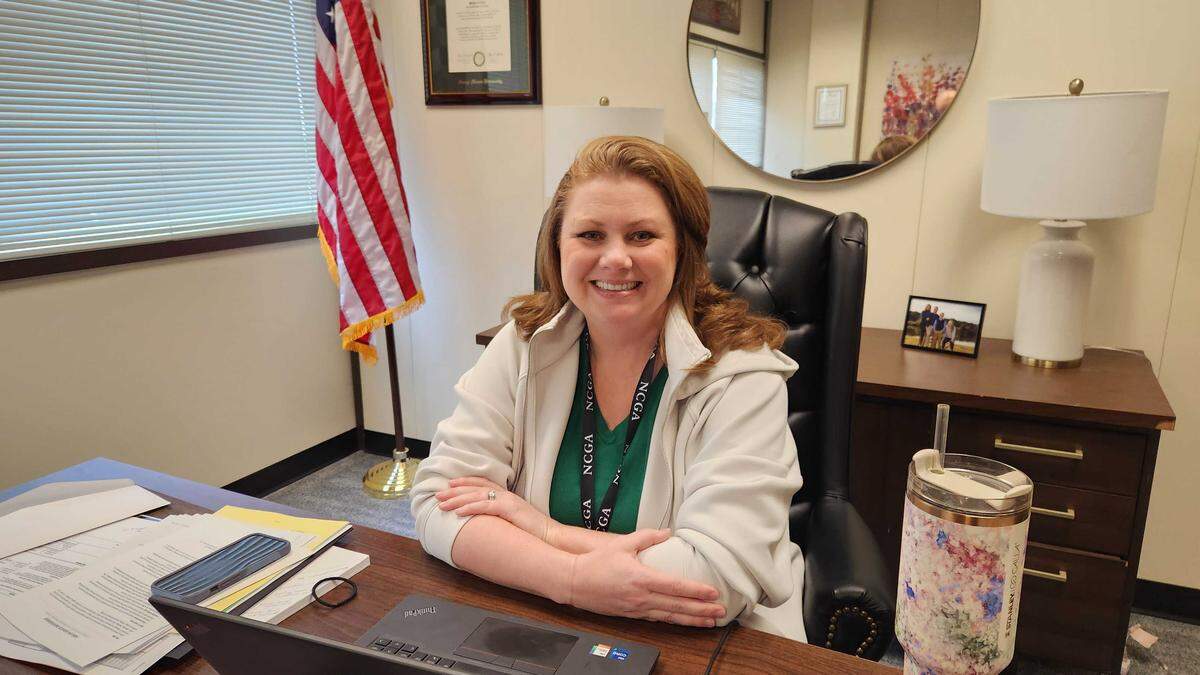
Hear more about what Paré said about the meals tax bill, property taxes, the budget and House Democrats who left their party after losing their primary elections on a new episode of The News & Observer’s Under the Dome podcast.
Listen to the full episode on any podcast platform you use, including Spotify, Apple or YouTube.