NC’s budget negotiations are moving, but dragging. Where talks stand
AI-generated summary reviewed by our newsroom.
- Berger said the Senate may go forward with a budget bill if no agreement emerges.
- The revised forecast expected to meet benchmarks to reduce 2027 income tax rate. to 3.49%.
- Speaker Hall said he still hopes for a conference report to resolve budget differences.
While optimism still exists, top Republican leaders haven’t moved forward with a budget compromise, now three weeks into the North Carolina General Assembly’s short session.
Republican Senate leader Phil Berger often refers to legislative timelines as a “runway,” meaning if a bill is an airplane, it needs a long enough runway to take off rather than crash.
Budget negotiations haven’t crashed yet, but Berger indicated the Senate could build its own plane.
In other words, if the House and Senate don’t reach a deal soon, Berger is willing to push forward a new Senate budget bill.
That would mean that the two chambers would move separately rather than agree on a compromise the version of the House and Senate budget bills that stalled out last year.
Republican House Speaker Destin Hall is not ready for that yet.
He told The News & Observer on Thursday that he thinks “at this stage, there’s still a chance that we’re going to get it done in a conference report format. I’m still hopeful for that.”
A conference report is the final, negotiated version of a bill that each chamber has already passed. But those negotiations aren’t public.
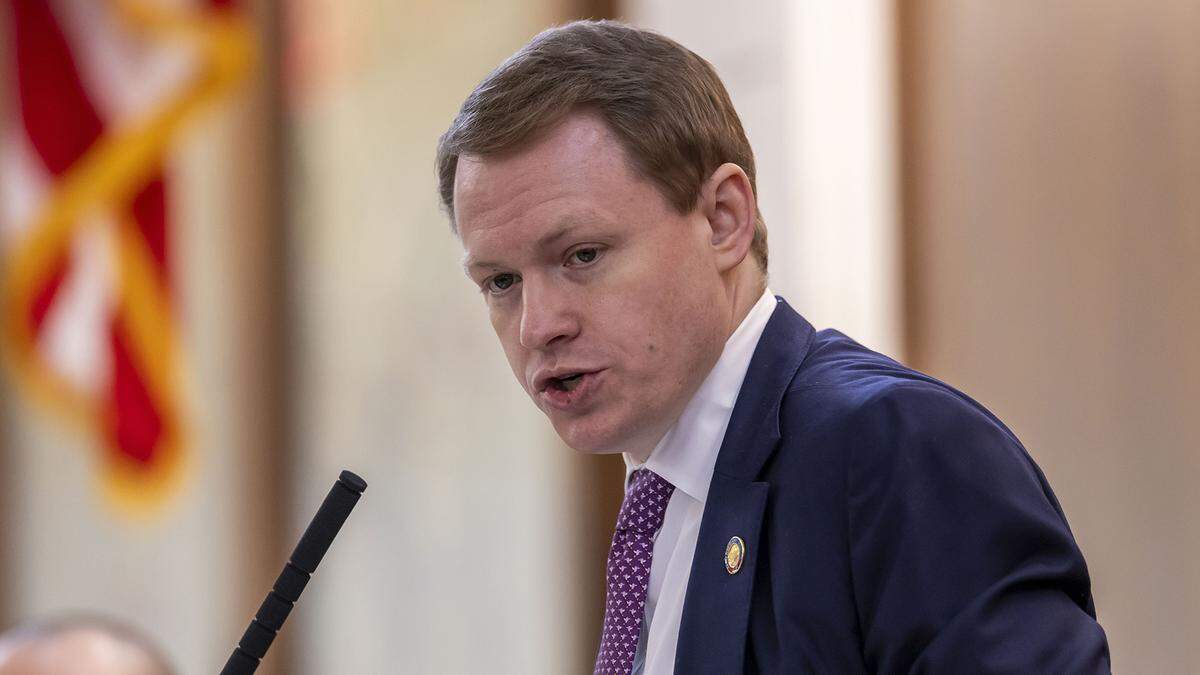
“I don’t think it’s really constructive for each side to fire off their own bills,” the speaker said about Berger’s potential go-around.
Hall offered his own signal:
“But it won’t be the first time that one chamber sends a bill to the other to not be taken up,” he said. “If that happens — but I’m hopeful that it won’t.”
When the budget could arrive
Hall said he and Berger have been “regularly talking” and that even if they reach agreement on big issues like tax revenue and salaries, it will still take a number of weeks for staff to work on the “mechanics of the budget.”
He said that lawmakers understand “we need to get moving on it, but we certainly still have plenty of time this session to do that.”
By this session, he means the legislative short session that has no set end date. The voting calendar Hall sent out to lawmakers when the session began April 21 showed House votes through July 2.
The Senate has not published a voting calendar beyond the day-to-day schedule.
Due out soon is the revised revenue forecast, now that April 15 tax collections are being counted.
What this means for income tax rate
The revised revenue forecast from the Legislative Fiscal Research Division and Office of State Budget and Management might not change the discussion about future tax cuts, Hall said. The forecast shows that benchmarks are expected to be met that automatically reduce the individual income tax rate in 2027 down to 3.49%, from the 2026 rate of 3.99%.
That’s at the heart of the budget negotiations, with the Senate wanting to keep tax reductions planned in 2023, while the House wants to account for inflation and other spending changes. And they can’t decide on the amount of raises for teachers and state employees if they don’t know how much money will be coming in.
Berger said they are still talking about a comprehensive budget, not separate bills — as sometimes happens after talks break down — and that he’s still hopeful.
“We still are having conversations. I’m hopeful that we’ll have an announcement. Don’t know exactly when, but the sooner, the better,” Berger told reporters on Tuesday. The Senate finished its voting sessions on Wednesday.
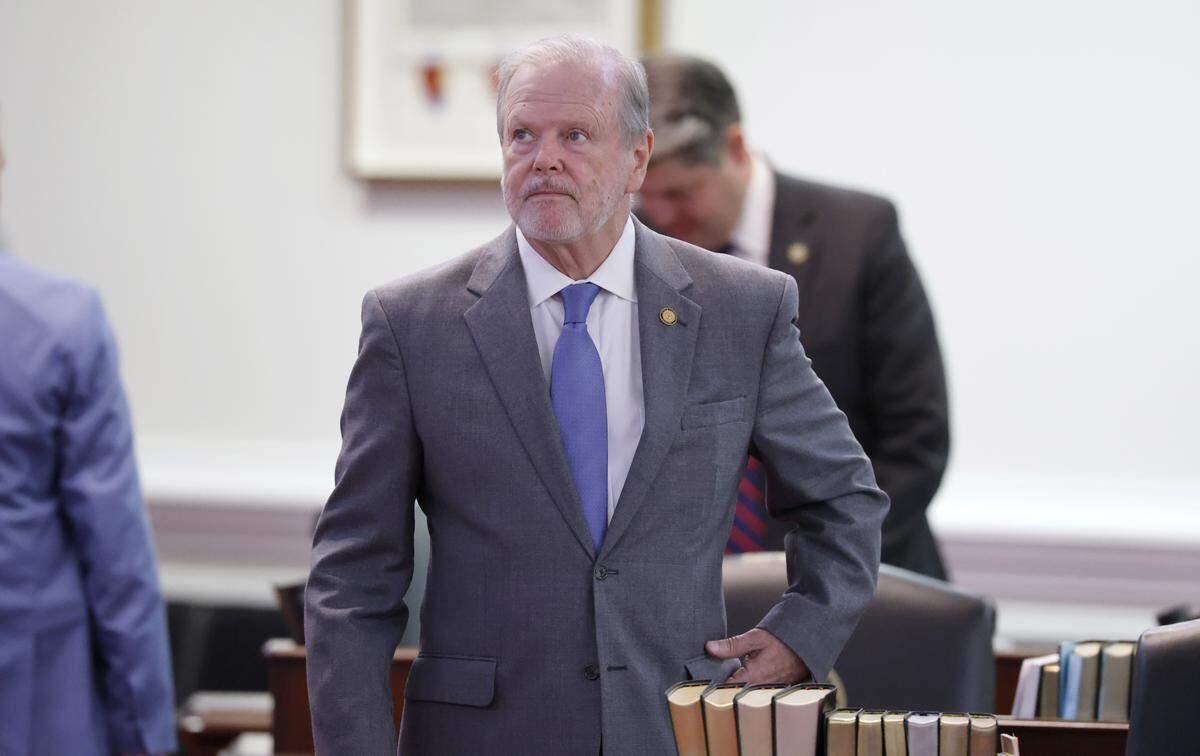
“The Senate intends to go forward with a budget. We’re hopeful that we’ll go forward with the joint process,” Berger said.
But if they don’t reach an agreement to get started, he said, they won’t meet a deadline of the end of the fiscal year, June 30.
Still, he doesn’t want to start from scratch.
Berger said the House and Senate can dust off their 2025 budget bills, take “a look at things, see what’s changed — but it’s not like starting from the very beginning.”
“I’m hopeful that we can work out a joint process where we, at the very beginning, have both the House and the Senate involved in crafting the document.”
“But we’re not there at this point,” Berger said.
The runway still stretches out ahead.
This story was originally published May 7, 2026 at 4:42 PM.