NC budget targets legal fund that could strip low-income residents of attorney help
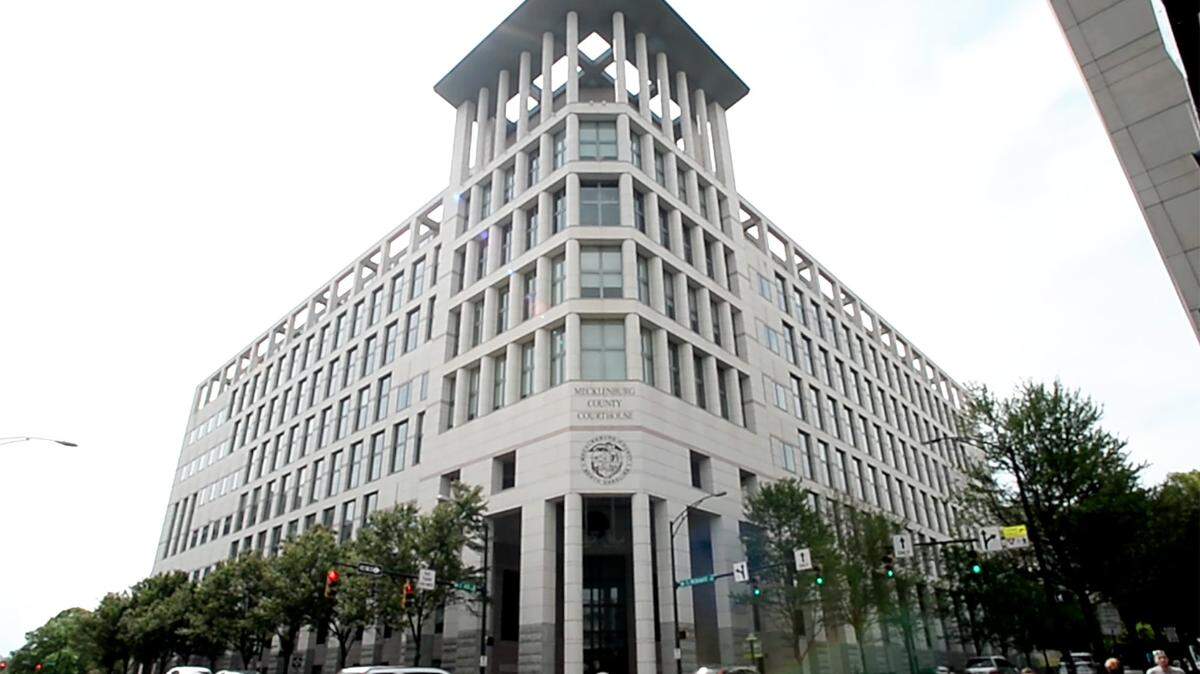
Tens of thousands of low-income North Carolinians could lose access to legal services under a provision in the state budget bill released on Tuesday, attorneys and aid providers warn.
Republican lawmakers took aim at a charitable state fund they’ve accused of financing legal aid groups with political agendas. The N.C. State Bar and The N.C. Supreme Court created the Interest on Lawyers’ Trust Accounts, or NC IOLTA, more than 40 years ago to cover civil legal expenses for people who otherwise couldn’t afford them. The State Bar administers the program.
This is the first time the legislature has tried to regulate the IOLTA process. The proposed budget would dramatically restrict eligibility in the near term and redirect the money to other uses in the long term.
The IOLTA does not use tax money. All attorneys are required by the State Bar to place client funds into a pooled bank account if the funds are too small or held too briefly to earn net interest. The collective interest is routed to the IOLTA, and a board disburses money as grants to eligible legal aid groups that apply.
The money supports cases such as consumer protections, domestic violence and wrongful evictions.
“You’re talking about women and children and even men who have been abused, and we’re seeking protective orders for them. Or people who need basic safety and shelter. Or people who are homeless. Or veterans who have served our country and are entitled to services,” said Larissa Mañon, CEO of the Charlotte Center for Legal Advocacy. “These are the cases that we’re working on. So we’re talking about people’s super basic needs.”
The budget earmarks most grant money for a new purpose and caps how much NC IOLTA can dole out each year based on when the funds were collected.
Fifteen million dollars from newly collected money would go toward an office that provides representation for indigent criminal cases. The state is already required to fund this office through taxes.
Another $2 million would go toward other programs “designed to improve the administration of justice,” a broad category that could include civil legal aid groups, although the legislature’s proposal does not explicitly state those groups are eligible.
Notably, the annual $2 million must come from unexpended money the program collected prior to July 2025. That means civil legal aid groups would rely on a finite source of pre-existing, non-replenishing funds that will eventually run out.
And even that money has new strings attached.
Mañon’s Charlotte-based organization is one of the state’s largest IOLTA recipients and works with clients including human trafficking survivors and unaccompanied children. That work would disqualify the center from future grants under a new budget provision excluding groups helping with “matters governed by federal immigration law.”
“That would categorically take out all civil legal aid service providers in the state. I want people to really understand what that means,” Mañon said. “I never thought I’d see a day in my life where somebody publicly and in ink say, ‘I don’t want to support survivors of human trafficking.’ ... For some people, immigration is just immigration.”
Organizations are also ineligible if they engage in advocacy work or encourage the public to contact elected officials in support or opposition to proposed legislation. And groups that assist in matters related to “gender transition procedures, or the provision of puberty-blocking drugs or cross-sex hormones to a minor” are also excluded.
Every state has an IOLTA program, but North Carolina would become the only one in the nation using the program to pay for constitutionally mandated criminal defense attorneys rather than civil legal aid, according to the State Bar.
Senate leader Phil Berger and House Speaker Destin Hall’s offices did not respond to The Charlotte Observer’s requests for comment.
Why is the General Assembly trying to change IOLTA?
IOLTA already took a hit last summer when lawmakers froze the fund for a full year, until the end of June 2026. Agencies shrank as a result.
NC IOLTA data shows grantees had an average of 22% fewer cases closed and 11% fewer people served during the first quarter of this year compared to 2025, said Mary Irvine, who leads the NC IOLTA.
“There were layoffs that took place starting as early as the fall of last year, which really have changed the ability of the programs to provide services,” Irvine said. “You can’t serve the same number of people when you have a smaller staff.”
During an October hearing with the House Select Committee on Oversight and Reform, Rep. Harry Warren of Salisbury — who co-chairs the committee — accused NC IOLTA of supporting “leftist” groups that lobby for partisan issues.
Amica Center for Immigrant Rights was among the recipients Warren expressed concern about, The News & Observer previously reported. The organization has received $55,000 in IOLTA funds to provide legal services in North Carolina. At the hearing, Warren flashed a slide on the screen with a quote from the Washington D.C.-based group.
“The United States’ wealth and power is built upon stolen land from enslaved labor and under the racist lie that white people were superior to Black people, indigenous people, and people of color,” the quote said.
Warren said the freeze would allow time to investigate how IOLTA grants are awarded.
The state completed an audit in April that found the program fully complied with requirements and hadn’t improperly disbursed money, though it needed to do more to monitor how funds were spent after disbursement.
Sen. Woodson Bradley, a Mecklenburg County Democrat lobbying against the changes, told the Observer she doesn’t understand why her colleagues are still targeting the program.
“What is the problem? A problem was looked for and wasn’t found by the auditor, so now what is the intention here?” Bradley said. “This is not symbolic or abstract. We’re talking about whether or not Mecklenburg residents will remain housed, stay safe, have benefits, keep families intact, navigate the legal system.”
More than one in three Mecklenburg County households are facing financial hardship and struggling to meet basic needs, according to a new report from research group United for ALICE. And 71% of low-income people in Mecklenburg County experienced a significant civil legal problem last year, according to The Charlotte Center for Legal Advocacy. Those are the people who legal aid groups are trying to reach.
This story was originally published July 2, 2026 at 5:00 AM with the headline "NC budget targets legal fund that could strip low-income residents of attorney help."