Religious instruction, public schools and the NC budget: 5 things to know
AI-generated summary reviewed by our newsroom.
- Budget requires excusal for religious instruction; students must make p work.
- Budget requires schools to offer the same meal to all students despite unpaid balances.
- Budget allocates $10M curriculum, $6M screeners, $5M pilots and $4M teacher training.
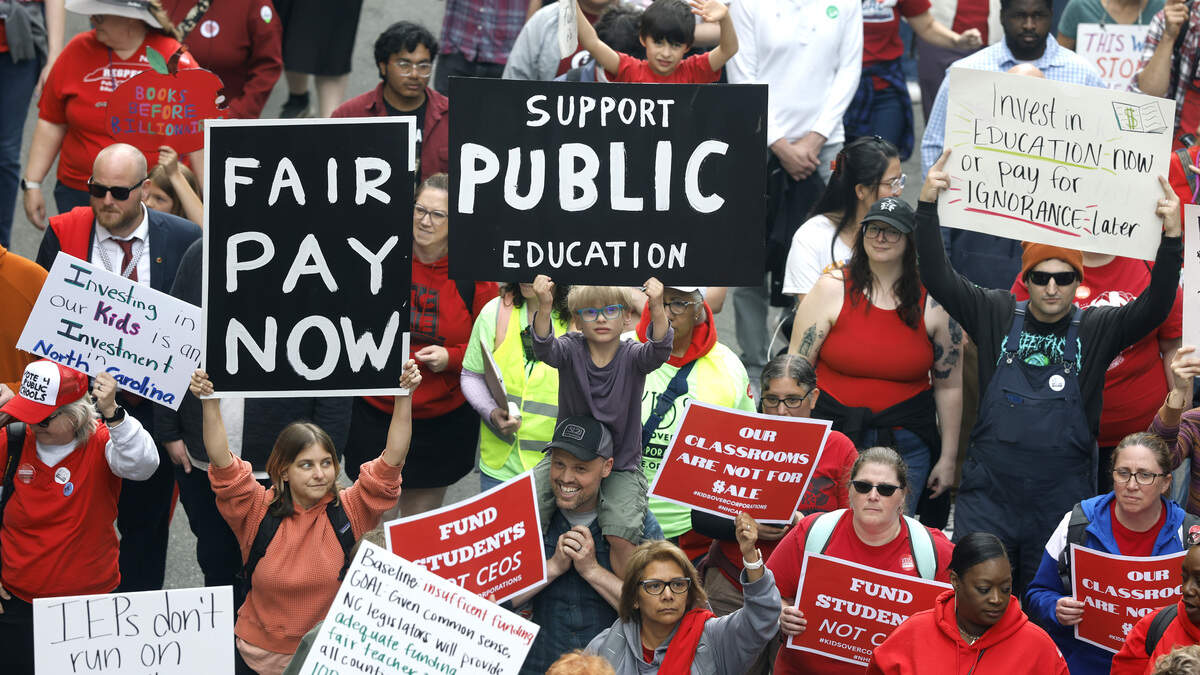
Republican state lawmakers have crammed multiple education policy changes into the state budget bill released Tuesday.
The budget has the financial items such as pay raises for school employees and funding for schools. But it’s filled with other items, including new requirements on teacher licensure, school lunches, math instruction and religious instruction.
Many of those items were included in previously introduced legislation. But now they’ll be fast-tracked for approval as part of a state budget that will be voted on this week.
Here’s a look at some of the items you may have missed in the budget.
Guaranteeing students time for religious instruction
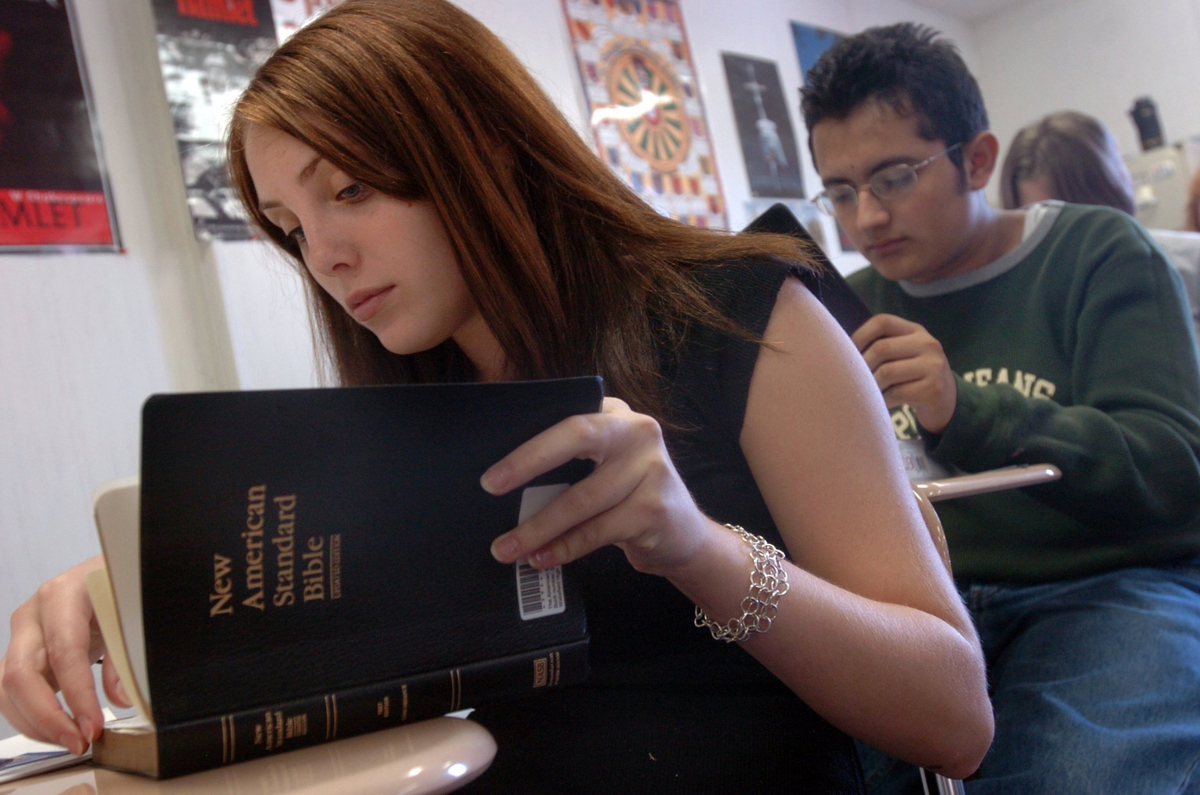
The budget requires public schools to allow students to miss class to attend religious instruction during school hours.
School districts and charter schools would be required to adopt a policy allowing students to be excused from class for at least one hour a week of religious instruction, The cap would be four hours per week and students would be responsible to make up the work they missed in class.
The new requirement comes as Ohio-based LifeWise Academy has been expanding operations in North Carolina to provide Bible education and character-focused classes to public school students during regular school hours.
Supporters of the released-time requirement say it will help build the religious and moral character of students. Critics raise questions about how it would impact the separation of church and state.
Endlng school lunch shaming
Lawmakers want to end the practice of “lunch shaming,” in which students are publicly humiliated in the school cafeteria for having unpaid meal balance debt.
The budget requires school boards to offer the same meal to all students — preventing them from serving an alternate meal to students who have meal debt. This requirement would also cover charter schools that have a school nutrition program.
Some schools serve students an alternative meal of only fruits and vegetables when they don’t have the money in their account to buy a regular school lunch.
This requirement could cause problems for school budgets though. Wake County found that unpaid meal debt soared when it stopped serving the alternative meal.
Improving math instruction
The budget has multiple provisions that would change how math is taught in schools. Items include:
- $10 million for the North Carolina Collaboratory to purchase a math curriculum from another state and adapt it for use in grades K-8 in North Carolina.
- $6 million for low-performing schools to have a universal math screener to assess the skills of their students.
- $5 million to pilot and study different math tools
- $4 million for math training for middle school teachers
Automatic enrollment in advanced classes
Lawmakers wants to expand a program that requires schools to provide qualified students with access to advanced courses.
Under the budget, students who score at the highest level on state end-of-grade reading exams will be automatically placed in the most advanced English/language arts class in the next grade level. That’s already the state-mandated practice in math courses for top-scoring math students.
Lawmakers had instituted the math requirement following a 2017 series by The News & Observer and Charlotte Observer showed how many qualified students were being skipped over for advanced courses. The legislative change is credited with sharply expanding enrollment in advanced math courses statewide.
The only way a student could be removed from the advanced class is if their parents ask for a less rigorous course.
Advanced Teaching Roles and licensure changes
The budget includes various changes that will impact teaching and teachers, including:
- Provide an additional $30 million in salary supplements to the Advanced Teaching Roles program that rewards higher pay to educators who take on additional leadership duties. An extra $2 million is also being included to add more schools to the program.
- Makes it easier for teachers from other states and countries to get a continuing professional license in North Carolina. They need to have been licensed, have at least three years experience and be in good standing. Overseas teachers who can’t prove their licensure need to have at least three years of experience or been authorized to teach overseas in the past five years.
- Expand elementary school teaching licenses that now cover grades K-6 to include grades 7 and 8. This could make it easier to staff middle schools.
This story was originally published June 30, 2026 at 2:53 PM.