DOGE canceled a grant to NC Central using ChatGPT. Now, it’s reinstated.
AI-generated summary reviewed by our newsroom.
- DOGE staffers used ChatGPT as part of selecting grants to cut.
- A judge ordered the terminations rescinded and grantees notified in writing.
- NC Central’s reinstated NEH grant was confirmed June 18 and paperwork submitted June 23.
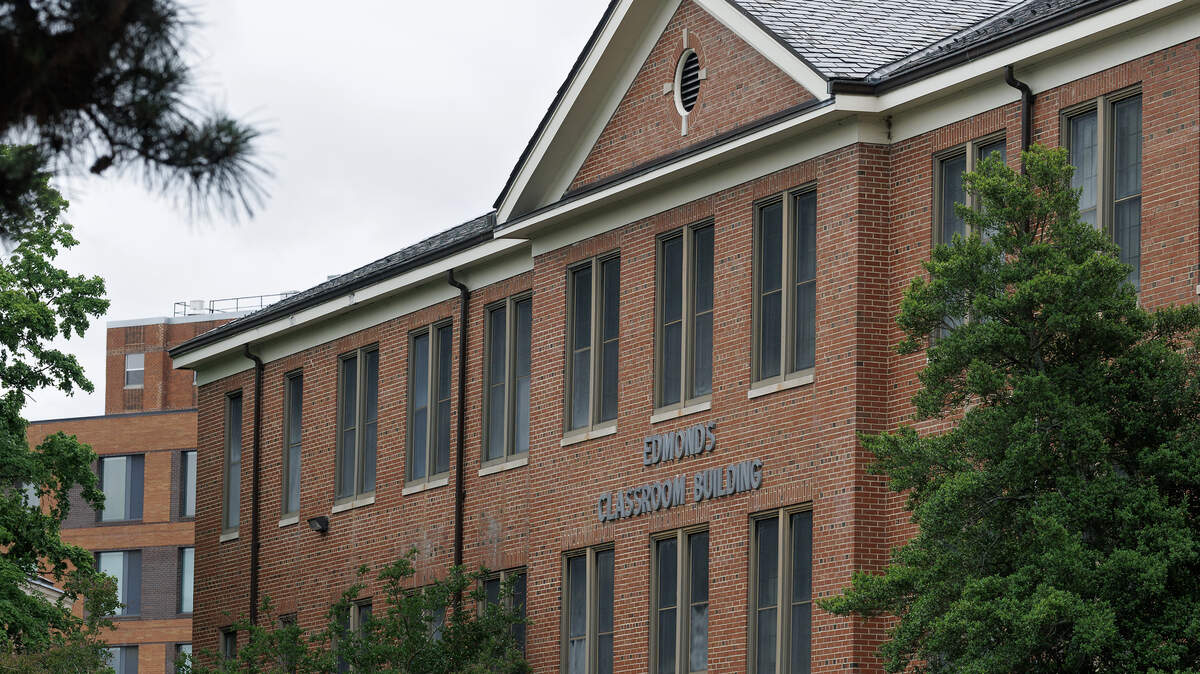
When NC Central University English professor Rachelle Gold found out her grant from the National Endowment for the Humanities had been cancelled in April 2025, she was shocked.
She knew the Department of Governmental Efficiency, or DOGE, was cancelling grants related to diversity, equity and inclusion. But her project — aside from taking place at a historically Black university, she said — had little to do with questions of diversity.
She was using the money to lead summer institutes during which faculty learn how to use and teach from digitized archives of NC Central’s campus yearbooks and newspapers. Then, faculty could create and improve coursework relating to institutional history.
By the time the heard the grant was cancelled, Gold had just $6,000 remaining from the original $90,000 award — and the next summer institute was just five weeks away. She received no advance warning of the cancellation: hence, the shock.
But when Gold found out how DOGE selected her grant to be axed, however, things clicked into place.
DOGE asked ChatGPT: ‘Is this DEI?’
DOGE staffers had used artificial intelligence to select which grants to cut. That was revealed during the discovery process in a larger lawsuit about DOGE gutting the NEH last year. In selecting which grants to terminate, staffers input the project descriptions and asked ChatGPT: “Does the following relate at all to DEI? Respond factually in less than 120 characters. Begin with ‘Yes.’ or ‘No.’ followed by a brief explanation.“
The answer ChatGPT came up with for Gold’s grant was affirmative.
Gold said that, in her experience, both students and faculty find that studying old campus yearbooks and newspapers is an engaging and personalized way of learning history. They can analyze the names, hobbies and fashion choices of their predecessors, see what dorms used to look like, what campus organizations used to be popular, what topics were taught in classrooms, and what famous people came to campus in the past.
“Yes, if I’m looking at newspapers from 1927 through 1972, that is the history exclusively of Black people,” Gold said. “[But] there was nothing with the word ‘Black’ in the name of our grant. There is nothing that says ‘HBCU’ in the name of our grant. So I didn’t know how deep DOGE would look.”
After her grant was cancelled by the organization once led by trillionaire Elon Musk, Gold still held the institute last summer, just without much food or the stipends promised to participating faculty.
Lawsuit results in grant reinstatement
Now Gold is getting that $6,000 back.
The same lawsuit that revealed DOGE’s methodology has now resulted in the reinstatement of Gold’s grant.
Four organizations — the American Council of Learned Societies, the Authors’ Guild, the American Historical Association and the Modern Language Association — sued the NEH and its chair, arguing that the mass termination of more than 1,400 grants violated the constitution’s free speech and equal protection guarantees.
A judge in the Southern District of New York agreed. In May, Judge Colleen McMahon determined that DOGE had no legal authority to terminate grants, and that the terminations were unconstitutional and “without legal effect.” She ordered the government to rescind termination notices and notify grantees — like Gold — in writing.
Gold is excited about the reinstatement of her grant, and plans to use the remaining dollars to fund another gathering for faculty to study the archives.
“North Carolina Central University was notified on June 18 that its National Endowment for the Humanities grant had been reinstated and was asked to submit the required documentation to continue the grant program,” Quiana Shepard, an NC Central spokesperson, told The News & Observer in a statement.
“The university submitted the requested form on June 23 and is currently awaiting further guidance from the program regarding next steps.”