Orange County’s schools are old. A new PAC wants leaders who will put repairs first.
A new political action committee wants voters to get behind candidates in the March 3 Orange County commissioners race who will put the needs of the county’s aging — and in some cases, decrepit — school buildings first.
The Chapel Hill-Carrboro City Schools and the Orange County Schools have estimated they have more than $260 million in long-term maintenance and repair needs that are not yet funded. A $120 million school bond that voters approved in 2016 is nearly spent.
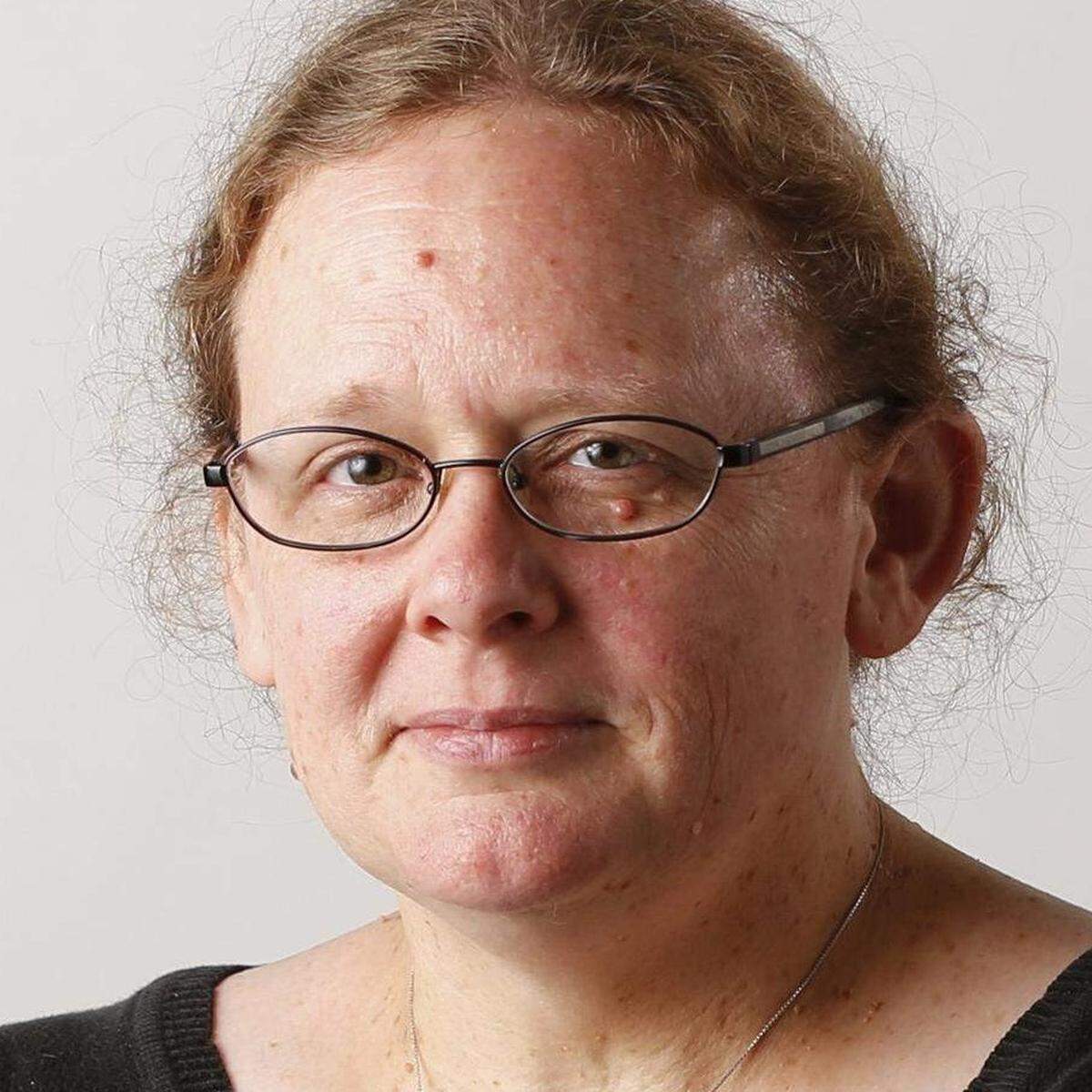
Meanwhile, students are still in decades-old buildings with limited access for those with disabilities, unreliable heating and cooling systems, flooding when it rains, and mold, mildew, air quality and foundation problems, said Cassie Ford, leader of the new Save Orange Schools political action committee.
While the school systems decide how to spend county and state education dollars, the Orange County Board of Commissioners controls the local purse strings, Ford noted. The county is spending just over half of its $27.4 million capital budget this year on schools, plus $20 million in Orange County Schools bond funding.
“I have seen in writing and I have heard commissioners say it’s the Board of Education that’s misspending their money, or it’s the N.C. General Assembly not giving us the money, so sort of passing the blame up and down,” Ford said. “But the truth ... is that the way that the money is allocated right now, there are changes that can be made that are within the power of the commissioners.”
By forming a political action committee, Save Orange Schools can raise money, advocate for change and endorse candidates, Ford said.
The group will hold an information meeting at 6:30 p.m. Tuesday in the community room of the Orange Water and Sewer Authority, at 400 Jones Ferry Road in Carrboro. It will be followed Wednesday by the Orange County Democratic Women’s “A Date with the Candidates” event at the Seymour Center, at 2551 Homestead Road in Chapel Hill.
Save Orange Schools started in the Chapel Hill-Carrboro schools, but it’s looking for volunteers and voters across the county.
“We are absolutely advocating for both districts as a whole,” Ford said. “I want to be absolutely as inclusive as possible with all the stakeholders who are affected by this issue, because those are important voices, and we won’t get anything done without as many people joined together as possible.”
Running for commissioner
Orange County’s local races will be decided March 3, because there are no Republicans on the ballot in the heavily Democratic county. Early voting begins Thursday, Feb. 13.
Four seats on the seven-member board are on the ballot. In Orange County, voters can only vote in the primary for candidates in their district and in the at-large race.
In District 1, former Chapel Hill-Carrboro School Board member Jean Hamilton is challenging incumbent Commissioners Mark Dorosin and Penny Rich for two seats representing Chapel Hill and the southern part of the county. School board vice chairwoman Amy Fowler is challenging Commissioner Mark Marcoplos for an at-large seat representing the entire county.
Incumbent commissioner Renee Price is running unopposed for her District 2 seat.
If Hamilton or Fowler is elected, they would follow in the footsteps of Commissioner Jamezetta Bedford, who was elected in the 2018 county commissioners race after more than a decade on the school board. Past commissioners who also had school board experience include Chapel Hill Mayor Pam Hemminger, state Sen. Valerie Foushee, and Mia Burroughs, who left the commissioners in 2018.
Ford said she didn’t even know what commissioners did until she joined the Chapel Hill-Carrboro City Schools PTA Council in November. She has since learned about the needs of both school districts and the role that commissioners can and could play, she said.
Old schools, critical problems
Orange County’s school repair and maintenance needs have festered as the districts focused on building new schools to meet rising enrollment. Ten city district schools were built before 1980; another nine were built since 1990. The county district has built six schools, for a total of 13, in the last 30 years.
The problem is facing districts statewide, including in Wake County, where the school board is operating under a $2.4 billion, seven-year debt program to pay for new schools, major school renovations and other capital costs. Voters approved a $548 million bond to address those projects in 2018.
In Durham County, voters approved a $90 million school bond in 2016, and the school district now is talking about another $700 million over the next decade, according to ABC11.
Chatham County also is seeing a population boom, especially in the northeast. Chatham Grove Elementary School is scheduled to open this fall at Briar Chapel, while Seaforth High School should open east of Pittsboro in 2021. More schools could be needed in the future as Chatham Park is developed nearby.
School districts statewide have identified roughly $8 billion in construction needs, the News & Observer has reported. Last year, House lawmakers and Democratic Gov. Roy Cooper sought a voter-approved bond referendum in 2020 to pay half of those costs. The state Senate shot down the idea in favor of using $4.4 billion in state capital infrastructure funds over the next 10 years. The state budget standoff has delayed that money.
Onslow County Republican Sen. Harry Brown defended the decision to use capital funds in a Jan. 28 email statement, saying “a debt-financed bond would waste $1 billion in unnecessary interest payments, starving other parts of the budget that could use that money.”
Orange County bond, budgets
In Orange County, the school districts gave commissioners a $330 million list of repairs and other critical projects in 2015. Sixty percent of the bond money went to the Chapel Hill-Carrboro district, because local funding is allocated by the number of students in a district.
The city schools planned to use its $72 million to renovate Chapel Hill High School and the Lincoln Center district office, adding a pre-K school and a new Phoenix Academy high school to the Merritt Mill Road campus. However, the rising cost of construction left only enough money to renovate Chapel Hill High.
The county school district has used its $48 million share to upgrade mechanical systems, roofing, windows and doors at multiple schools, and build a new, 500-student classroom wing at Cedar Ridge High School that could postpone the need for a new school.
The districts also are combining their available money to build a centralized bus garage in Chapel Hill.
The county’s allocation to the districts for construction needs is separate from this year’s combined $88.8 million budget for education and teachers. The county also spent $3.9 million this year for school nurses, resource officers and equity training in both districts.
Additional money for construction projects is funneled through the county’s capital budget. This year’s $47.4 million budget includes $14.4 million in additional county debt, lottery proceeds and sales tax revenues that also was split 60/40 between the school districts.
Over the next five years, the county anticipates spending roughly 45.9% of its $208.8 million capital budget on school repairs and maintenance. The remainder is slated for non-school construction needs, including buildings, park facilities, and infrastructure projects.
The county’s annual funding process and the timing of those disbursements leaves the school boards in a “reactive mode,” Ford said, because there’s not enough money in a year to do many critical repairs, which can cost from several hundred dollars to replace a roof to a few million dollars to replace a school’s mechanical system. The new wing at Cedar Ridge High School is priced at $14.5 million.
That is why it’s important to elect commissioners who can correct the problem, Ford said. She suggested the commissioners also look at the money budgeted for non-critical county construction projects, such as parks and building improvements.
Future financial decisions
The county is facing at least one critical building project at the Link Government Services Center, which until November housed the county manager’s office and other county departments. The commissioners will decide this year whether to repair the building, which has suffered long-term water damage, or build a new building. Either way, the cost has been estimated at more than $8 million.
Other projects on the county’s five-year capital budget include new court and government spaces; a dam rehabilitation project; plumbing, parking lot, roofing and building repairs; park improvements; and sustainability initiatives.
The commissioners will start talking about next year’s operating and capital improvements budgets in the next few months. Projects have been shuffled before when money was tight or another project was given precedence.
The commissioners also have talked about future school construction bonds, although that depends on repaying the county’s existing debt. Just over three cents have been added to the county’s property tax rate since the 2017 revaluation, in large part, to pay for the school construction bond debt, and more tax-rate increases are possible between now and 2024.
The county has to balance school needs with other needs, Ford said, but waiting until 2024 to spend more money fixing local schools could make the solutions even more expensive.
“We can’t afford to turn away from this issue, because by not addressing it head on, we are just adding to this problem,” Ford said. “We are at the breaking point, but we need a lot more people aware of it and putting pressure on anyone in a position to address this problem.”
What’s next
Save Orange Schools will hold an information meeting at 6:30 p.m. Tuesday in the Orange Water and Sewer Authority community meeting room, 400 Jones Ferry Road in Carrboro. The event will feature Patrick Abele, assistant superintendent of support services for the Chapel Hill-Carrboro City Schools.
The Orange County Democratic Women also will hold “A Date with the Candidates” night at 6:30 p.m. Wednesday at the Seymour Center, 2551 Homestead Road in Chapel Hill.
This story was originally published February 4, 2020 at 10:33 AM.