Sanders visited NC riding high, but what would his nomination mean for other Democrats?
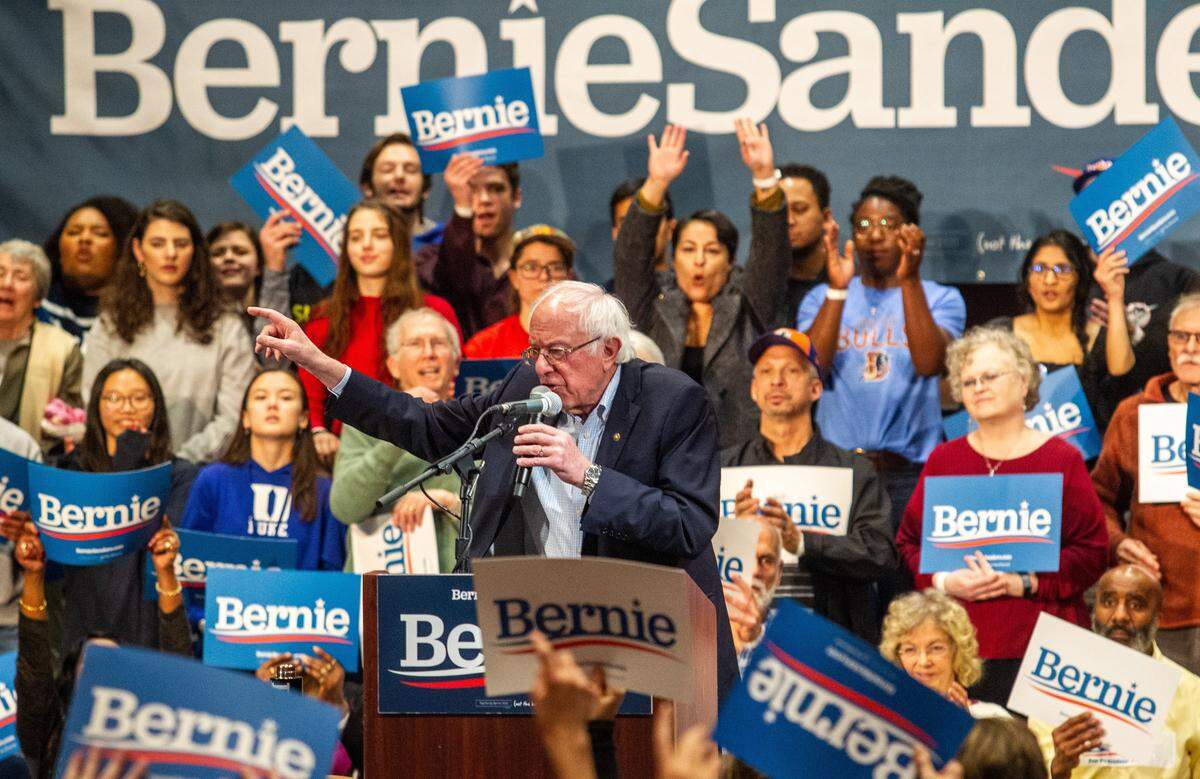
Sen. Bernie Sanders made two campaign stops in North Carolina on Friday with his status as Democratic presidential front-runner buoyed by popular vote victories in Iowa and New Hampshire and a new poll showing him leading with registered voters in North Carolina.
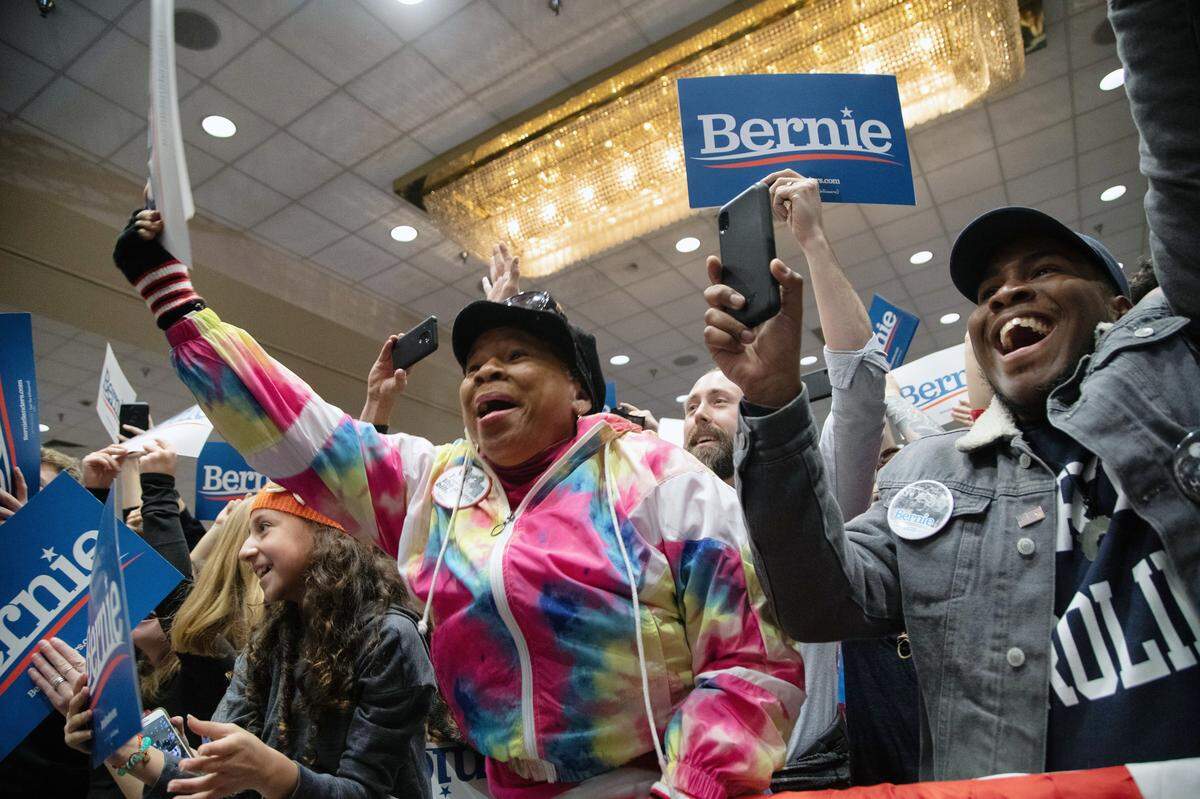
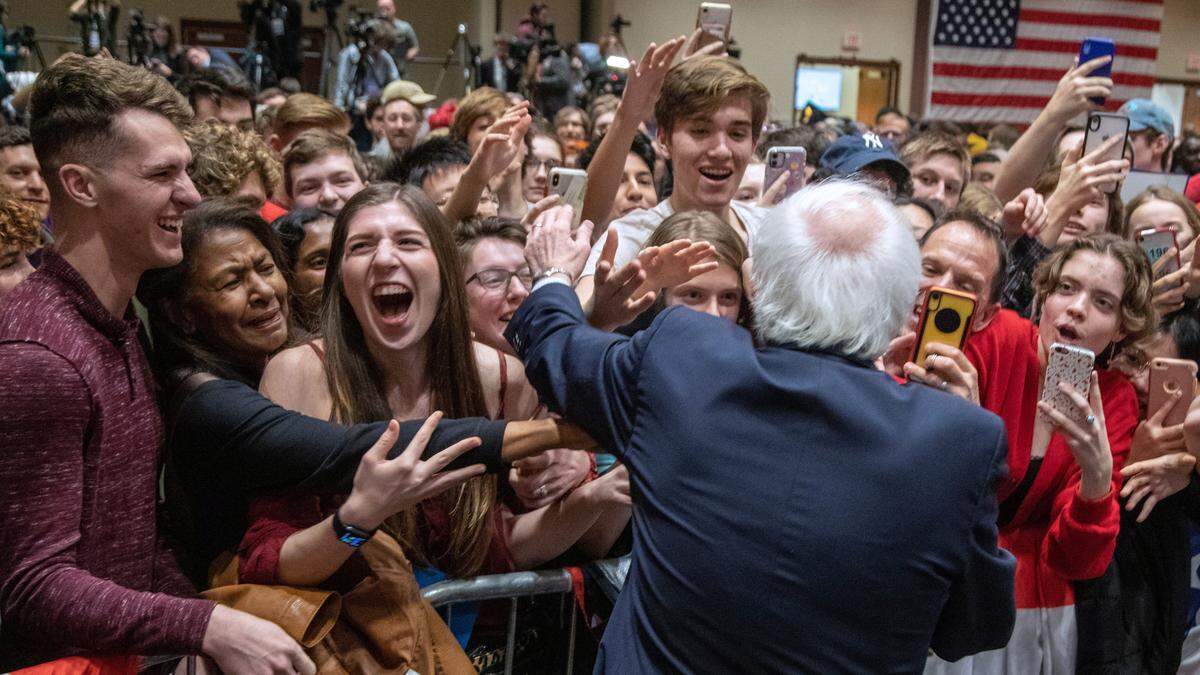
Sanders, a 78-year-old democratic socialist from Vermont, held rallies in Durham and Charlotte, one day after in-person early voting began in North Carolina. He told supporters he had “a very strong feeling” he can win the state’s primary on March 3 — part of Super Tuesday.
“The status quo is not working. We want change,” he told a cheering crowd. “The establishment is getting nervous. That’s good.”
Some in the establishment are nervous — nervous about what a ticket led by Sanders could mean in down ballot races, especially in a state like North Carolina. In addition to the presidency, North Carolina has Senate and gubernatorial races in 2020 that are expected to be competitive.
“I don’t believe we will be able to win North Carolina with a self-avowed socialist democrat on the ballot,” said U.S. Rep. GK Butterfield, a Wilson Democrat. “With all due respect to my friend Bernie, it will damage the down ballot races. .... I think his intentions are pure, but they’re perceived by many as being something that’s foreign.”
Butterfield has endorsed former Vice President Joe Biden, who has quite explicitly made an “electability” argument against Sanders.
But Biden’s poor showing in the first two states of the Democratic nominating process has damaged that argument and allowed Sanders’ supporters to claim that it is their candidate who has the best chance of attracting a winning coalition.
Biden’s lead in North Carolina has largely vanished, according to a High Point University poll released Wednesday. Sanders led Biden 25% to 19% among self-identified, registered Democratic and unaffiliated voters. Biden led 24% to 20% among likely voters, a smaller sample.
The poll was conducted Jan. 31 to Feb. 6, before the Feb. 11 New Hampshire primary in which Sanders won with 25.7% of the vote and Biden finished a disappointing fifth at 8.4%.
Sanders got 40.8% of the vote in the 2016 Democratic presidential primary in North Carolina, well behind Hilary Clinton who got 54.5%.
“People really have to rethink how media and the pundits and everybody describes electability. As far as I saw, people were describing Joe Biden as extremely electable for a long time, and it doesn’t look like people actually agree with that,” said U.S. Rep. Pramila Jayapal, a Washington state Democrat and Sanders’ supporter.
In national polls, Sanders leads President Donald Trump by 4.3 points in the Real Clear Politics average and has topped the incumbent Republican in 10 of the last 11 polls. Biden has a 5.6-point lead on Trump in the same average of national polls.
Sanders is a proponent of Medicare for All and the Green New Deal, liberal policies that would transform the nation’s health care system and its approach to climate change. Sanders won big victories among New Hampshire voters 18 to 29 and 30 to 44 years old, a voting bloc that does not always turn out. He also won big among those who said health care was the most important issue, according to exit polls.
Nearly six in 10 voters in the New Hampshire Democratic primary backed single-payer health care, according to exit polls.
“People dismiss Medicare for All or college for all as these radical liberal proposals,” Jayapal said, before citing those exit polls. “Maybe the pundits are wrong in how they think about what electability means and who really thinks Bernie Sanders is fighting for them.”
The Sanders campaign said its strong support with young voters and non-white voters — a Monmouth poll found Sanders leading with non-white voters grouped together — gives him the best chance of building the broadest coalition to defeat Trump. It said Sanders can generate the strong turnout needed to win.
Of the remaining Democrats in the presidential race, Sanders and Sen. Elizabeth Warren of Massachusetts back Medicare for All.
Others, including Biden, former South Bend, Ind., Mayor Pete Buttigieg, former New York City Mayor Mike Bloomberg, Sen. Amy Klobuchar of Minnesota and former hedge fund manager and political activist Tom Steyer, do not.
In South Carolina, a more Republican state than North Carolina, some are worried that a Sanders’ nomination could sink the hopes of some well-funded Democrats making in-roads in the state — such as current U.S. Rep. Joe Cunningham, who won his seat in 2018.
“We are competitive in some of these races. And so we cannot afford to pick a nominee in my view who hadn’t even declared himself a Democrat on Capitol Hill, let alone has a philosophy of democratic socialism that’s not very popular with the electorate,” said South Carolina state Sen. Marlon Kimpson, a Biden supporter.
South Carolina’s presidential primary is Feb. 29. Biden holds a large lead in the state, according to a recent poll from East Carolina. The poll showed Biden at 37% and Sanders at 14%. Steyer was in second at 19%.
US Senate race
Neither state Sen. Erica Smith nor former state Sen. Cal Cunningham, the top contenders for the Democratic nomination for U.S. Senate against incumbent Republican Thom Tillis, have endorsed a candidate for president.
Even before Sanders’ rise, the Tillis campaign has attacked both Democratic challengers and said they are “determined to implement a radical, socialist agenda.”
“If Erica Smith believes people in North Carolina, and if Cal Cunningham believes people in North Carolina want Bernie Sanders and his liberal, progressive policies in place, then they need to be informed about it,” Tillis said in Cornelius after voting early. “... They will be soundly rejected in North Carolina.”
Both leading Democrats said they would back their party’s nominee.
“Cal will support the Democratic ticket and work with any President that doesn’t raid $80 million from our military communities and put health care in jeopardy for more than 1.7 million North Carolinians with pre-existing conditions,” a Cunningham campaign spokesperson said in an emailed response.
In a phone interview Thursday night, Smith said she, too, would support Sanders if he were the nominee.
“I’m going to support whoever emerges as our Democratic nominee,” Smith said. “I have not yet chosen a candidate I want to endorse. There is an energy that Bernie brings, particularly with millennials.”
Democratic Senate candidate Trevor Fuller, a Mecklenburg County commissioner, said he has not endorsed in the race.
“The apparent concern over Bernie as our potential nominee probably is misplaced. The imperative to evict the current occupant of the White House is paramount,” Fuller said.
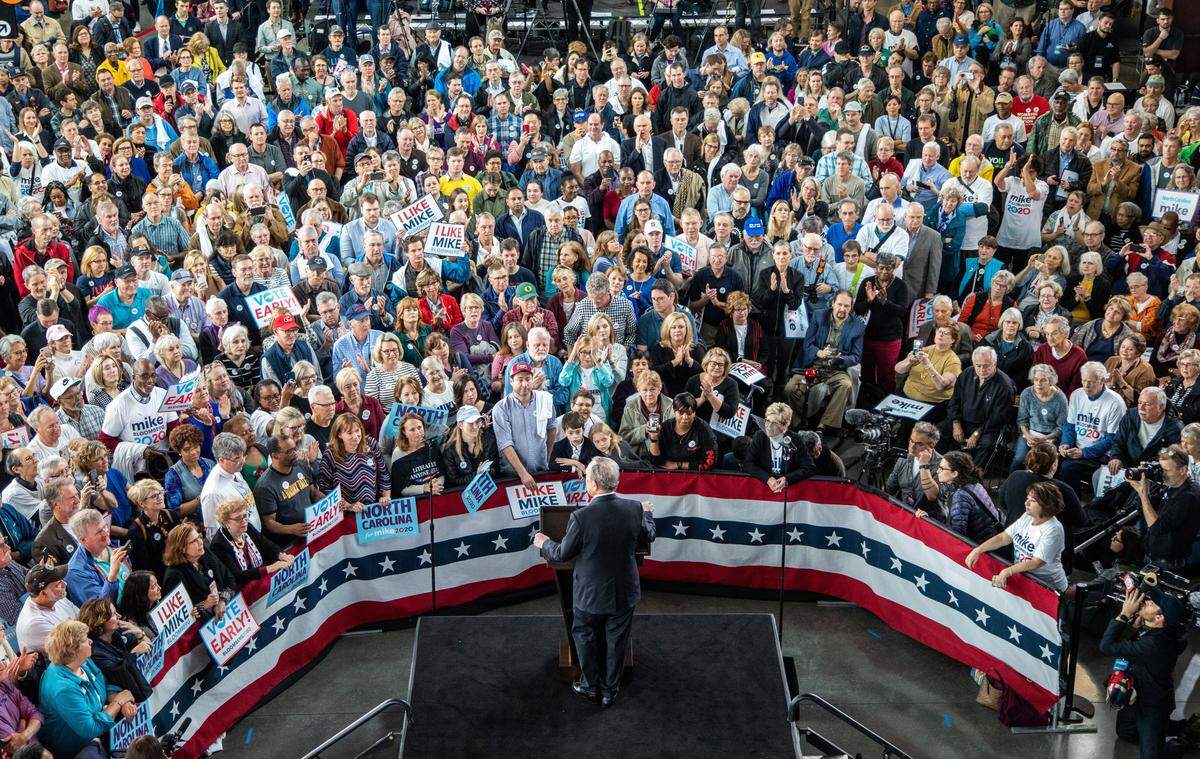
Cunningham, a lawyer and former Army prosecutor, said he does not support Medicare for All. He said he shares “the goal of making sure everyone has access to health care and I think we can achieve that by adding a public option to the Affordable Care Act, while ensuring no one loses their employer-sponsored coverage who wants to keep it.”
Critics, including some of Sanders’ Democratic competitors, have argued that Sanders’ plan would force employees off their employer-sponsored health insurance plans and, perhaps, eliminate private insurance altogether.
Smith said in the past she would support Medicare for All if it were the only option. She said Thursday that she backs Jayapal’s Medicare for All plan, particularly its inclusion of workforce training for employees who may lose their jobs in the transition.
Fuller supports the plan “because it is consistent with American values, it will improve the health of all Americans at a lower cost, it will reduce health disparities, people will no longer go bankrupt because of a medical condition and because the rapacious profiteering in our current healthcare system simply cannot be sustained.”
Reporter Maayan Schechter of The State (Columbia, S.C.) contributed to this report.
For more North Carolina government and politics news, listen to the Domecast politics podcast from The News & Observer and the NC Insider. You can find it on Megaphone, Apple Podcasts, iHeartRadio, Stitcher or wherever you get your podcasts.
This story was originally published February 15, 2020 at 5:00 AM.