One voter, two signatures: How did NC candidate’s vote appear twice in ‘08 election?
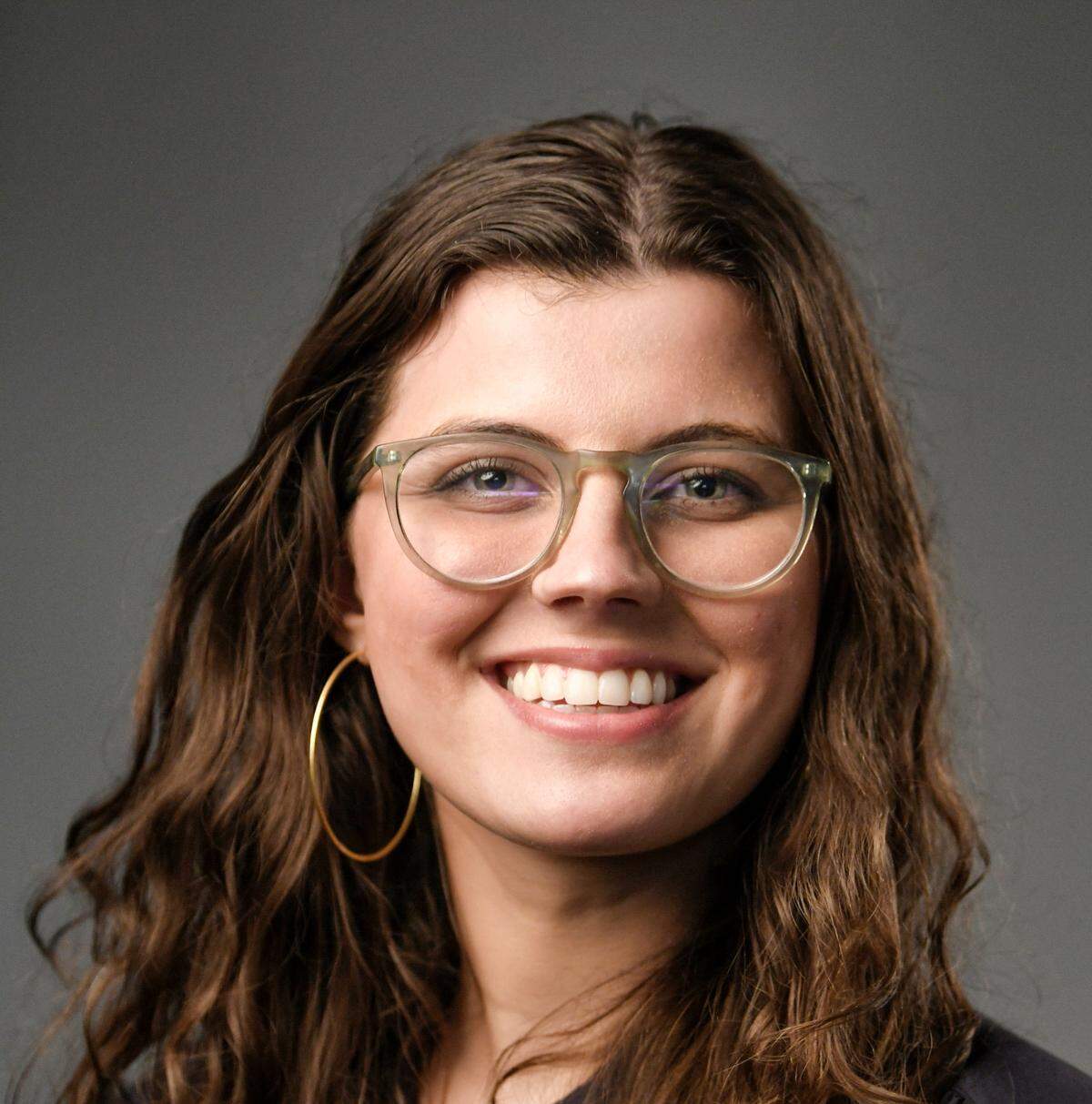
Retired Col. Donna Lake cast her ballot on a chilly October day in 2008 at the Wayne County Public Library, about three miles from her home in Goldsboro, North Carolina.
Fifteen days later, on Nov. 4, 2008, another ballot was cast under Lake’s name, this time at a polling place in New York.
How that happened seems to be a mystery. Lake, now a candidate for North Carolina’s Senate District 7, says she didn’t vote twice.
“In that election cycle I was actively involved with the Wayne County Democratic Party and even served as a poll observer,” Lake said in a statement emailed to The News & Observer by her campaign manager, Virginia Reed. “The records reflecting that I voted in person in New York in 2008 are incorrect.”
The case brings more scrutiny to concerns about voting during the pandemic and President Trump’s repeated claims about voter fraud — something experts say is rare.
The News & Observer researched Lake’s voting history after receiving a tip. When contacted by the N&O, Lake provided emails that appear to indicate she scheduled meetings and appointments in North Carolina during the week of the election, including on Election Day.
North Carolina State Board of Elections spokesman Pat Gannon told The News & Observer last week that the board was looking into the case and gathering more information. The New York State Board of Elections Division of Election Law Enforcement declined to comment.
“You have received records from the Suffolk County BOE, I have no comment,” chief enforcement counsel Risa S. Sugarman said in an email.
A case that appears to be similar to Lake’s occurred in 2016, when WBTV reported that records showed former state Rep. Charles Jeter voted twice in the 2004 presidential election, once in North Carolina and once in South Carolina.
WBTV later reported that the South Carolina vote under Jeter’s name was a clerical error. Documents that show his Election Day signature, provided by the South Carolina Ethics Commission after the first story was published, indicated another voter signed next to Jeter’s name in error.
One other possible scenario: Someone impersonated Lake at the polls.
Two registrations
Records provided by the Suffolk County Board of Elections show that Lake, 64, was registered to vote in her home state at least as far back as July 1992.
She voted in-person that year, according to the records.
Lake said those records are wrong, and that she did not cast a ballot in New York that year.
“The records reflecting that I voted in person in New York in 1992 are incorrect,” Lake said in an email sent to the N&O by her campaign manager.
In late October or early November of that year, Lake said, her family relocated from Williams Air Force Base in Arizona to Washington, D.C. The following year, Lake and her husband, Robert, bought a home in Prince George’s County, the Maryland State Archives show.
Lake requested a ballot for the general election in 2004, using her childhood address, records show. The Suffolk County Board of Elections stamped Lake’s request as military and mailed her ballot to an address in Goldsboro, which Lake said was her home on Seymour Johnson Air Force Base at the time.
In April 2008, Lake registered to vote in North Carolina, state records show, shortly after she retired from the Air Force and moved off base.
For nearly five years after that, until Lake was purged from New York’s voter rolls in 2013, she was registered to vote in both states. Being registered to vote in two states isn’t illegal; voting twice in the same election is.
It’s also a felony to impersonate another voter.
When a voter moves to a new state, that state will send what’s called a ‘cancellation notice’ to the state where the voter was previously registered, or the voter would need to request their registration in their previous state be canceled.
The Wayne County Board of Elections said it did not have a record of sending a cancellation notice to New York when Lake registered in 2008.
The county’s election director, Anne Risku, said Lake’s North Carolina voter registration did not indicate she was registered in another state, so the county has no record of a cancellation notice being sent to New York.
“If a voter does not indicate their former address on the North Carolina voter registration application, we would have no way of knowing if or where the voter was formerly registered,” NC elections board spokesman Gannon said. “Eventually, normal list maintenance processes would catch up, and the voter would be removed from the registration rolls in the former state.”
Because no cancellation notice was sent to New York, Lake’s voter registration in her home state remained active in 2008.
Double voting ‘not really an issue’
Lake cast her ballot in three different North Carolina elections that year, including the general election, in which Lake voted at an early voting site on Oct. 20, 2008, Risku said.
States are not linked when it comes to voting records, said New York State Board of Elections spokesman John Conklin, so New York had no way of knowing Lake had already cast a ballot in the general election.
“If you vote in one state, the other state has no idea of that,” Conklin said. “Arguably, if you wanted to, you could vote in the morning in New Jersey, late in the morning in New York and late in the day in Connecticut ... I think people should understand it’s very much largely an honor system and most people are honest and they don’t do that.”
New York does not require identification at the polls. But it does require a signature, which a poll worker then reviews, Conklin said.
“The strength of the evidence will be that poll book with the signature that matches,” Conklin said. “It’s extremely unusual to have someone come in and impersonate another voter.”
It’s also rare for someone to vote twice in an election, one expert said.
“Double voting is not really an issue in the United States,” said Common Cause Director of Voting and Elections Sylvia Albert, adding that “it’s really hard to vote twice.”
A meeting in NC on Election Day
Lake’s campaign provided emails indicating that, in the days leading up to and following the election, Lake had meetings planned in North Carolina.
Those emails were archived in an old system at East Carolina University, where Lake works as a professor in the College of Nursing. Her campaign staff said they needed IT assistance to access those files because they were so old.
On Nov. 3, the day before the election, Lake’s emails indicate she was scheduled to attend a late afternoon meeting on ECU’s campus.
That day, however, Lake sent an email asking if the meeting would be held via teleconference. A response to that email was not provided to The News & Observer.
A little after 9 a.m. on the day of the election, Nov. 4, Lake sent an email indicating she planned to meet a colleague to pick up something that day.
Around 5:30 p.m. that same day, Lake wrote an email to a different colleague, saying she appreciated their “time and advice today.” Lake then proceeded to list takeaways from the meeting.
Lake also indicated in three emails, on Nov. 1, Nov. 4 and Nov. 5, that she had a “surgical follow-up appointment” in Winston-Salem on Nov. 5, the day after the election. She also said she planned to take a sick day to go to the appointment.
In a letter sent to The News & Observer Tuesday, Elaine S. Scott, the chair of the Nursing Department at ECU, said Lake was in North Carolina between Nov. 3-5, 2008.
“At the time she was working as the Grant Manager for a large grant we secured at the East Carolina University College of Nursing,” Scott wrote. “I was the Principal Investigator for the grant and Donna reported to me in 2008. I approved her work schedule including time off for sick leave or vacation.”
Missing record
Records from Suffolk County of the 2008 vote on Election Day include Lake’s first and last name, middle initial, date of birth and the address of her childhood home.
The News & Observer requested a copy of the signature from Lake’s voting record in 2008, but a Suffolk County Board of Elections staffer said they don’t keep original signatures after four years. So it’s unknown how the signature on Lake’s voting record that day compares with the one on her 2004 absentee ballot request.
Lake’s campaign said without that signature, it can’t be verified she voted in person that day.
“I took an oath to support, uphold, and defend the Constitution of the United States, the document that gave us the concept of ‘one person, one vote,” Lake said in an email sent by her campaign manager. “I would never consider going against that oath. In 2008, the only vote I cast was early in Wayne County and I was at home in Goldsboro on Election Day. Any suggestion otherwise is patently false and an attempt to sow confusion and distrusts just weeks before election day.”
Lake, a Democrat, is running against Republican Sen. Jim Perry.
Lake was purged from New York’s voter rolls in 2013, after mail sent to her childhood home were returned. Lake’s mother, Pauline Lamar, sold the Long Island home in 1995, county clerk records show.
For more North Carolina government and politics news, listen to the Domecast politics podcast from The News & Observer and the NC Insider. You can find it on Megaphone, Apple Podcasts, iHeartRadio, Stitcher or wherever you get your podcasts.
This story was originally published October 1, 2020 at 7:30 AM.