
7 NC state lawmakers are running for Congress. What you should know about their votes.
Seven state lawmakers in the North Carolina General Assembly are hoping to change their legislative status from state to federal this fall. Six Democrats and one Republican made it through their primaries and are on the ballots for Congress in the general election in November.
The votes they are taking now could shape the fall campaign. There have already been three big votes in the Senate this legislative session: on medical marijuana, Medicaid expansion and the “Parents’ Bill of Rights” that would outlaw instruction on LGBTQ issues in grades K-3.
Here’s how the congressional candidates — six of whom are senators — voted and what else you know about them:
Sen. Don Davis
Party: Democratic
Where he is and where he wants to go: Davis, of Greenville, represents Greene and Pitt counties in Eastern North Carolina. He is running for U.S. House in the 1st district that covers the northeastern part of the state.
Key votes and other things to know: Davis is considered one of four more moderate Democratic senators who occasionally vote with Republicans on some controversial issues. That earns them a seat at the negotiating table with the Republican majority. Davis was one of the 2021 budget negotiators. Democrats are credited with making sure a minimum wage of $15 an hour for noncertified school personnel was in the final budget. He defeated former state Sen. Erica Smith in the Democratic primary.
Davis voted against the bill to legalize medical marijuana this session, one of two Democrats, along with Sen. Julie Mayfield, to vote no. Republicans were somewhat divided on that measure, Senate Bill 711 or the “Compassionate Care Act,” which won its final Senate approval Monday night and goes to the House.
Davis voted for the Medicaid expansion bill, House Bill 149, “Expanding Access to Healthcare,” calling it “absolutely huge” for his Eastern North Carolina district.
He voted against Senate Bill 755, called the “Parents’ Bill of Rights,” as did all Democrats but one: Sen. Ben Clark.
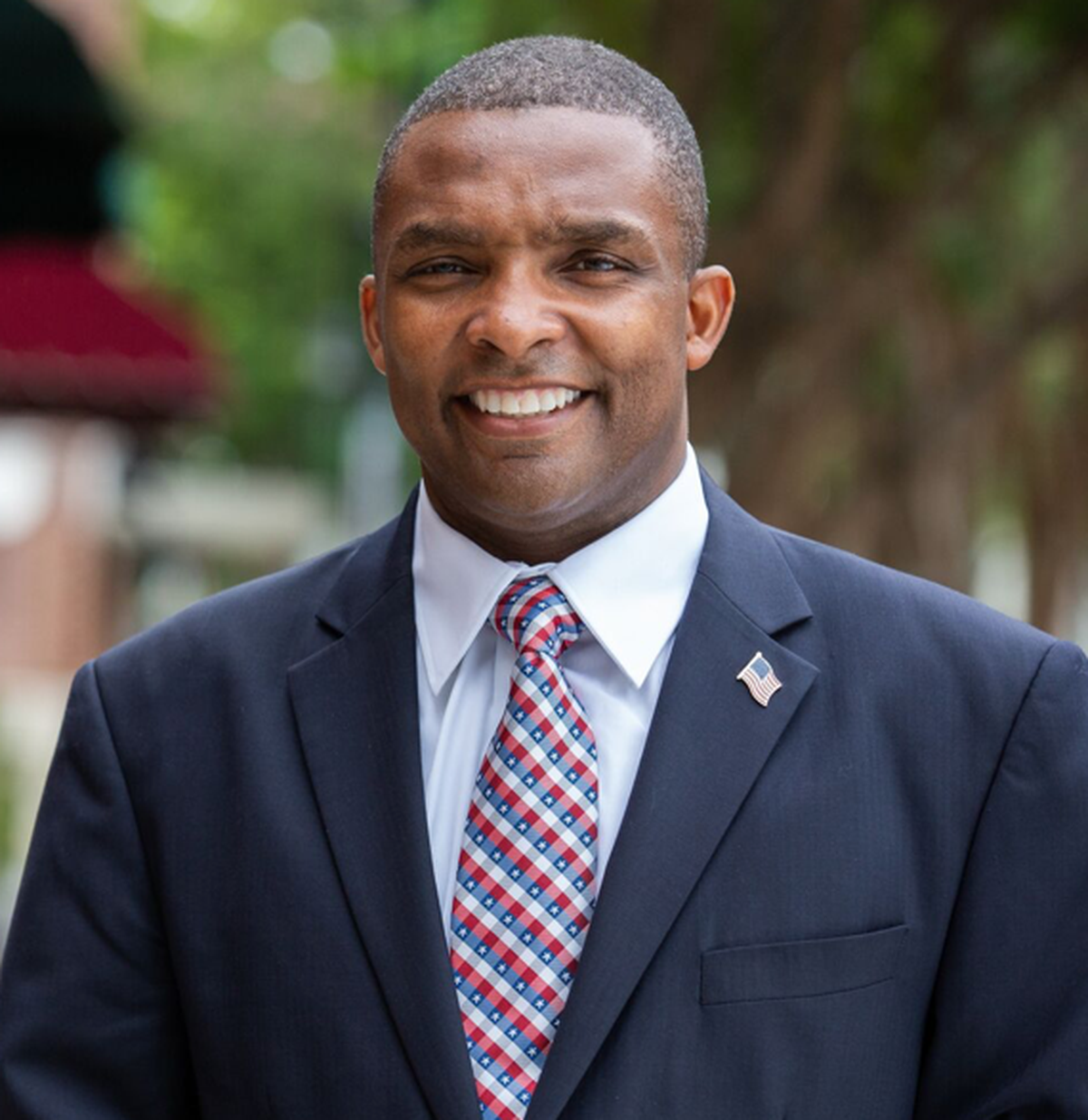
Sen. Ben Clark
Party: Democratic
Where he is and where he wants to go: Clark represents Hoke and Cumberland counties in the state Senate and is running for the U.S. House in the 9th district, which includes Chatham County and runs as far south as Scotland County.
Key votes and other things to know: Like Davis, Clark is one of the moderate Senate Democrats who sometimes vote with Republicans, so he was also one of the 2021 budget negotiators. Clark is a military veteran and now a civilian who works for the military. Fort Bragg, which is soon to be renamed Fort Liberty, is entirely in his district and the military community factors into his voting record. His campaign website touts his budget work to eliminate the tax on military retiree pensions in the current state budget. He also highlights his negotiations to reopen schools for in-person learning, which was an issue moderate Senate Democrats worked on with Republicans during the pandemic.
Clark was the lone Democrat to vote “yes” on the Senate’s “Parents’ Bill of Rights” bill, which was criticized by LGBTQ groups because it would notify parents if a student changed their pronouns and would ban curriculum about LGBTQ issues in grades K-3. The bill has yet to move in the House.
Clark voted “yes” on both the Medicaid expansion and medical marijuana bills.
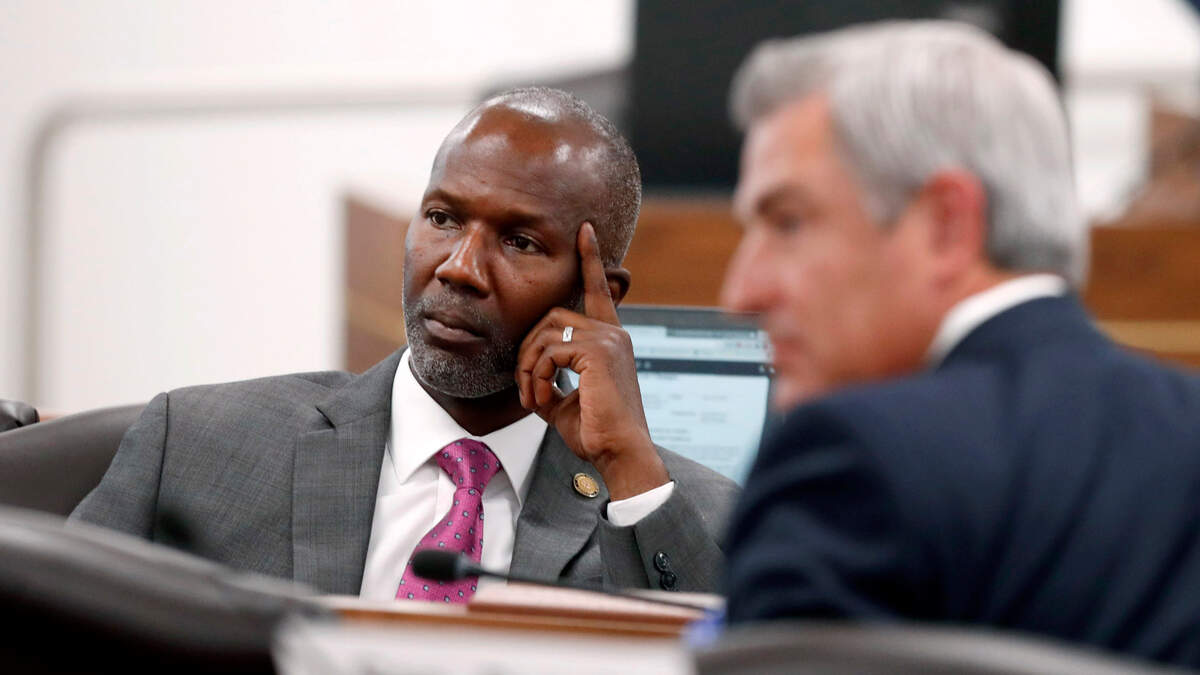
Sen. Wiley Nickel
Party: Democratic
Where he is and where he wants to go:: Nickel represents Cary and Northwest Raleigh in the state Senate now, and is running for the U.S. House in the 13th district.
Key votes and other things to know: Nickel’s campaign for Congress started before the final versions of maps were drawn, and he switched districts when the maps that included his area shifted. In NC-13, he faces Trump-endorsed Bo Hines and the race will likely see large amounts of spending as the district has no incumbent or strong leaning toward either party. It’s in an area of fast growth and includes southern and southeastern Wake County and Johnston County. Because of overall state population growth, North Carolina got an additional seat in Congress.
Nickel voted “yes” on both the Medicaid expansion and medical marijuana bills, and against the “Parents’ Bill of Rights” bill.
.jpeg "image0 (1).jpeg")
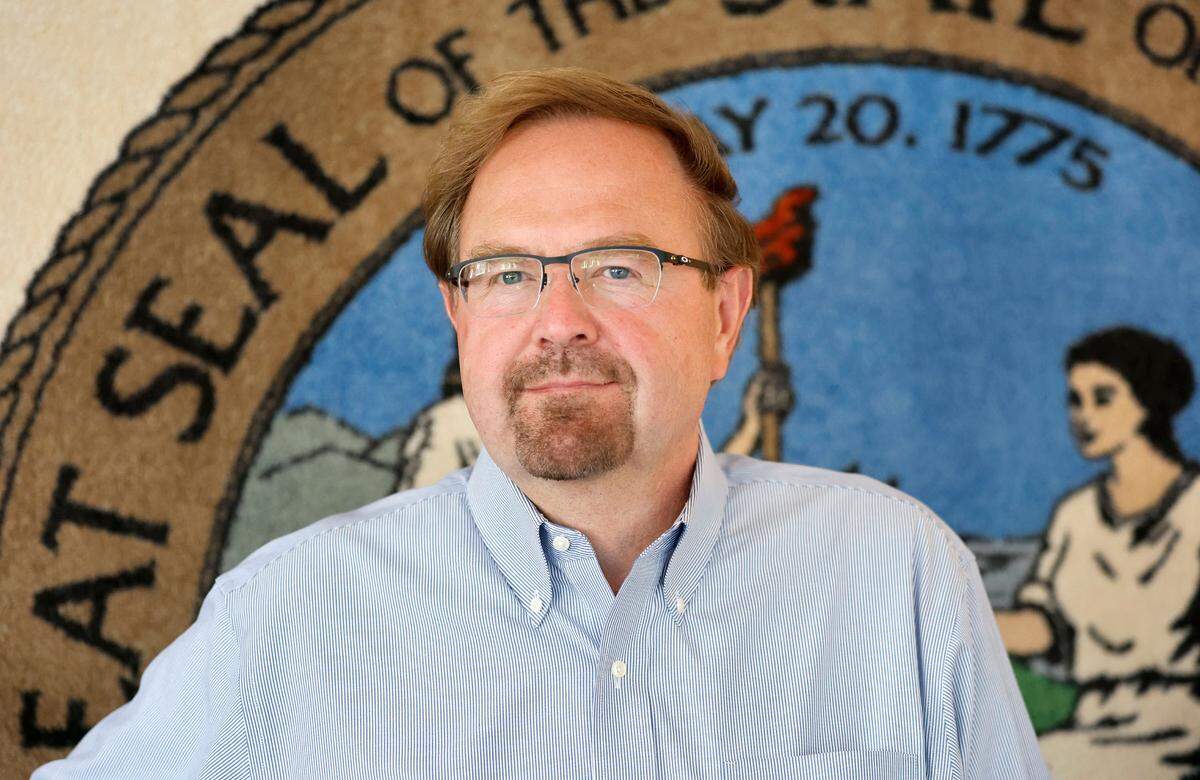
Sen. Chuck Edwards
Party: Republican
Where he is and where he wants to go: Edwards, of Hendersonville, represents Buncombe, Henderson and Transylvania counties in the state Senate and is running for U.S. House in the 11th district.
Key votes and other things to know: Edwards won a hard primary battle to unseat incumbent Republican Rep. Madison Cawthorn, whose one-term tenure in the U.S. House has been fraught with a variety of scandals.
Edwards voted for the “Parents’ Bill of Rights,” against the medical marijuana bill and in favor of Medicaid expansion.
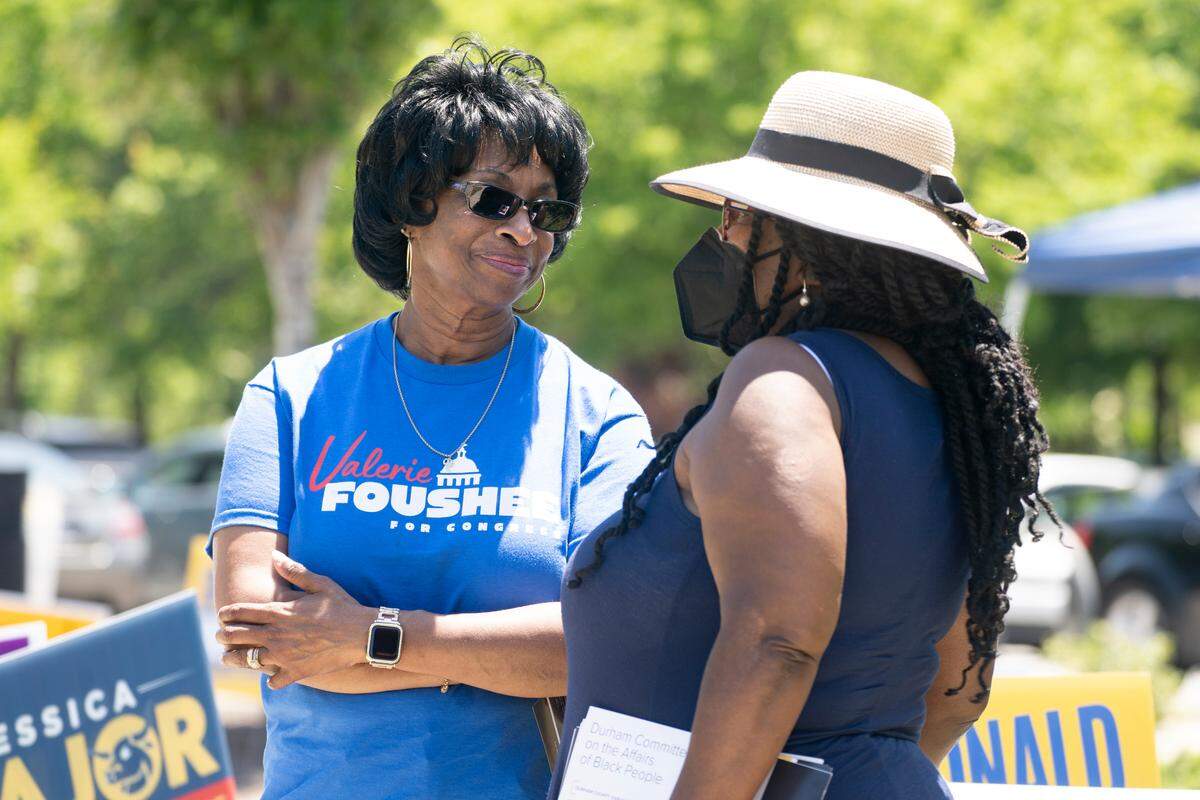
Sen. Valerie Foushee
Party: Democratic
Where she is and where she wants to go: Foushee is a longtime senator representing Orange County. She won a crowded Democratic primary field for the safe blue U.S. House 4th district seat.
Key votes and other things to know: The primary had several candidates because longtime Rep. David Price is retiring. The bulk of the district is in Orange and Durham counties, along with Person, Alamance and Granville. Foushee was backed by significant outside spending on her behalf from super PACs in the primary. Foushee has had leadership roles in the Senate Democratic Caucus and Legislative Black Caucus and would be the first Black woman to represent the congressional district.
Foushee voted “yes” on both Medicaid expansion and medical marijuana bills, and against the “Parents’ Bill of Rights” bill.
Sen. Jeff Jackson
Party: Democratic
Where he is and where he wants to go: The Charlotte lawmaker is running for the U.S. House 14th district seat that includes parts of Charlotte and Gastonia.
Key votes and other things to know: Jackson has perhaps the highest profile of the lawmakers running for Congress. He ran in the U.S. Senate Democratic primary last year and received national attention, but dropped out and threw his support behind Cheri Beasley once it was clear she had the party’s support. Later, he launched his campaign for a U.S. House seat.
Jackson voted against the “Parents’ Bill of Rights” bill, in favor of the medical marijuana bill and in favor of Medicaid expansion.
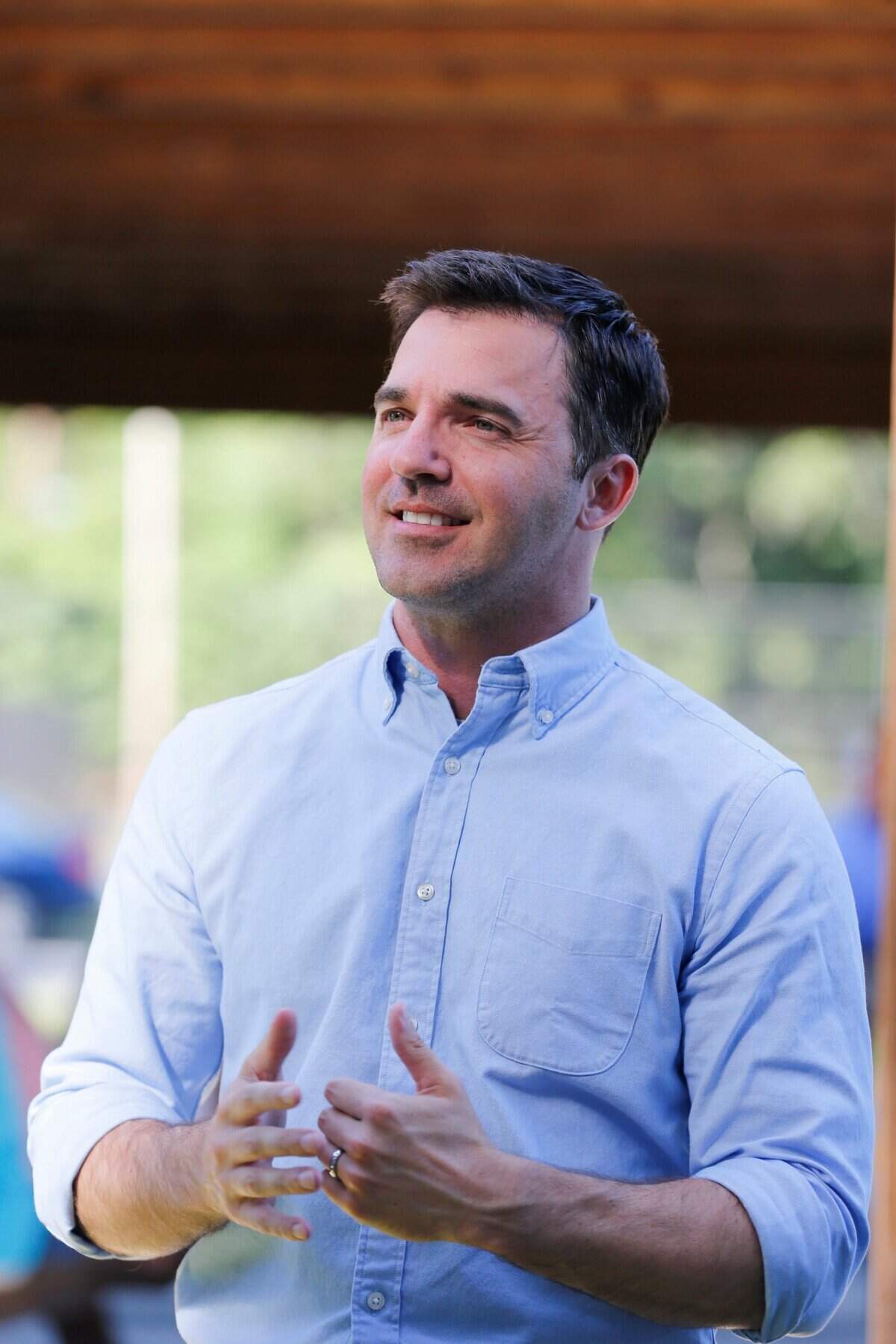
Rep. Charles Graham
Party: Democratic
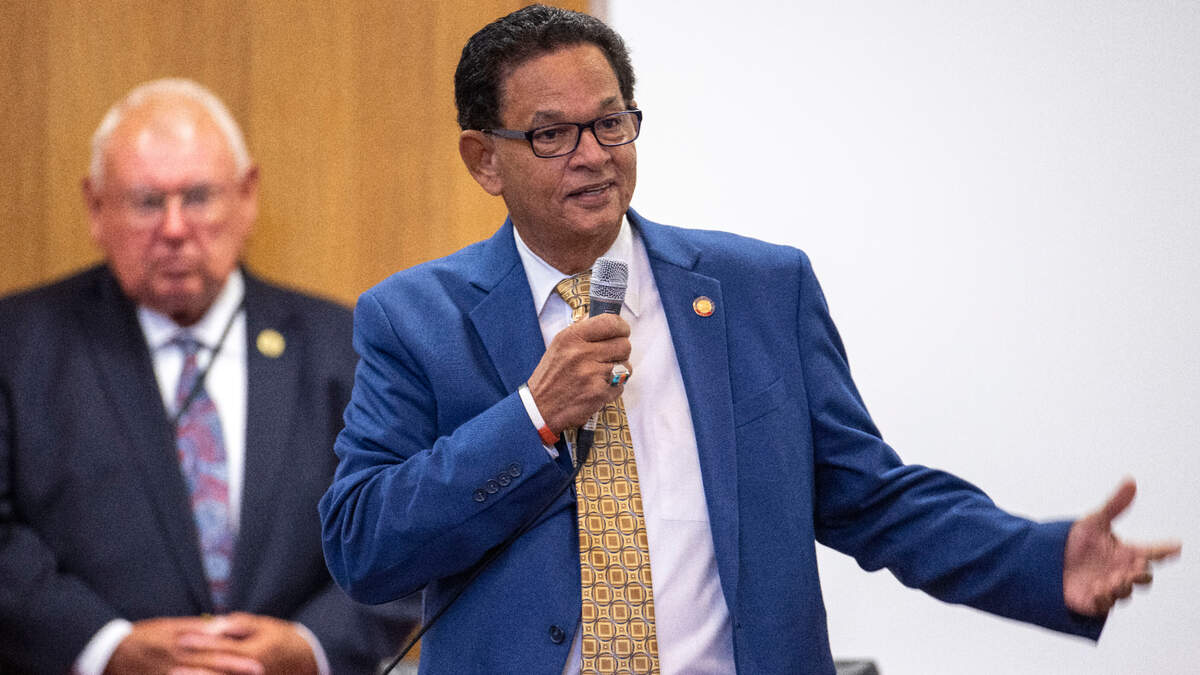
Where he is and where he wants to go: Graham, of Lumberton, represents Robeson County in the state House, and is running in the U.S. House 7th district race.
Key votes and other things to know: Graham is the only state lawmaker who is Native American. He launched his congressional campaign with a video about the Lumbee Tribe’s 1958 showdown with the Ku Klux Klan.
The House has been slower to take action this legislative session. While it will likely take up the parents’ rights bill, there are no plans for votes on Medicaid expansion. Maybe not medical marijuana, either, according to House leadership.
For more North Carolina government and politics news, listen to the Under the Dome politics podcast from The News & Observer and the NC Insider. You can find it at https://campsite.bio/underthedome or wherever you get your podcasts.
This story was originally published June 8, 2022 at 6:00 AM.
.jpg)