
Who will NC send to Congress, including in the key 1st District?
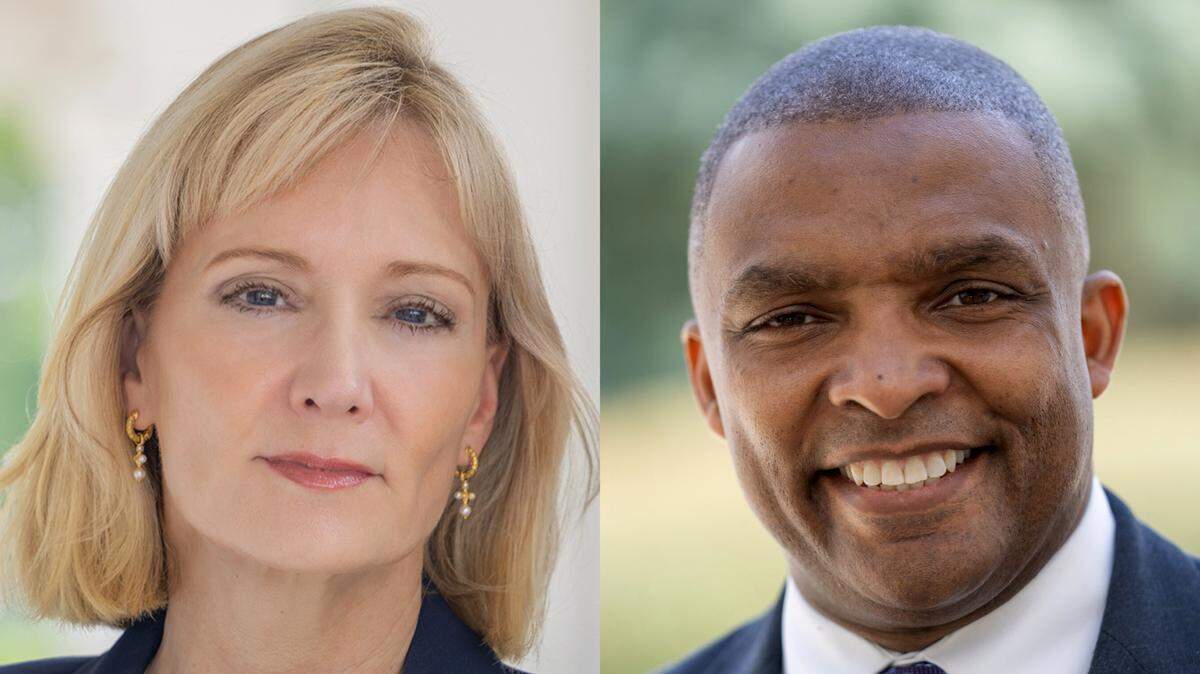
Incumbent Don Davis, a Democrat, has defeated Republican Laurie Buckhout in the race for the 1st Congressional District.
As of Wednesday morning, Davis led by a 5,826-vote margin, 184,993 votes to 179,167. The Associated Press has not called the race and results remain unofficial, but Buckhout conceded the race in a phone call with Davis.
There was also a third party candidate, Libertarian Tom Bailey, who received 9,851 votes. That was more than the margin by which Davis was leading.
The 1st Congressional District is the only one of North Carolina’s 14 that is competitive, and the race was widely seen as one of a handful that would decide which party controls the U.S. House of Representatives.
A Republican hasn’t represented the North Carolina’s 1st Congressional District since 1883, but the Cook Political Report classified it as a toss-up leading into Tuesday’s election. New voting maps the Republican-controlled General Assembly enacted in 2023 made the district more favorable for the GOP candidate.
Davis appeared at his election night party at the Greene County Community Center shortly before 1:30 a.m. Wednesday to declare victory.
“To the die hard, to the faithful who are still sticking it out with me, we did it,” Davis said, speaking to about 20 people who remained at the election night event.
Davis quickly moved onto a list of priorities, vowing that constituents in the district could bring concerns to his district offices and find someone who would listen.
“We’re going to fight to make sure that every child across Eastern North Carolina, that they’re able to reach their hopes and their dreams. I refuse to give up on the ability of our young people. That’s my love, that’s my passion — our young people, to be able to live the American dream right here in Eastern North Carolina. No one should be left behind because of their ZIP code or their crossroad,” Davis said.
The new district map added Camden, Currituck and Lenoir counties to the district, as well as the western part of Wayne County and a sliver of Granville County. It removed Franklin County and the northwestern part of Pitt County.
In the 2020 presidential election, the current district’s voters narrowly voted for Democrat Joe Biden over Republican Donald Trump, with 193,573 votes for the Democrat and 188,662 votes for the Republican, a difference of less than 1.3% of ballots cast in the race..
The district was slightly more Democratic under court-ordered maps used in the 2022 congressional elections, with 206,010 going for the Democratic candidate and 179,140 for the Republican, a difference of almost 7% of the ballots cast.
Davis, a Snow Hill native, is a U.S. Air Force veteran and served six terms in the North Carolina Senate. Earlier this year, a report from Georgetown University and the nonprofit Lugar Center found that in 2023 Davis was the fifth-most bipartisan member of the House and the most bipartisan member of the North Carolina delegation.
Davis first won election to the seat in 2022, beating Sandy Smith by about 12,000 votes in a district that has since been redrawn.
During his first term, Davis focused on rebuilding the rural economy by upgrading infrastructure like high-speed broadband and increasing access to health care in Eastern NC. Since 2014, the 1st Congressional District has seen three rural hospitals close, resulting in the loss of 88 in-patient beds, according to the Sheps Center at UNC Chapel Hill.
Davis also campaigned on a call for Congress to codify the federal rights to abortion access that had been established by the Roe v. Wade decision, which the U.S. Supreme Court struck down in 2022’s Dobbs v. Jackson Women’s Health Organization decision.
In his remarks Wednesday morning, Davis said he would focus on unifying people across the district, no matter their party affiliation. He said he would work to deliver benefits to veterans, to protect jobs at Seymour Johnson Air Force Base and to pass a Farm Act.
Davis also signaled a willingness to work with Republicans in a House where control was still up in the air as of Wednesday but appeared likely to be narrow. Immigration reform and the Farm Act were two issues Davis pointed to Wednesday morning, but he said there could be others.
“If we have a Trump Administration, I would look for ways that we might agree on some things that we could forward for the greater good of the American people,” Davis said, adding that he’d worked to address rare diseases during his time in the General Assembly, something he said Trump had also worked on in his first administration.
Buckhout, who lives in Edenton, defeated Smith in the Republican primary.
A combat veteran, Buckhout was seeking office for the first time. Her campaign message focused largely on returning to Trump-era immigration policies with the intention of reducing the number of undocumented immigrants and finding ways to reduce inflation.
In a statement conceding the race, Buckhout wrote, “While Don and I have different visions, it is obvious to everyone he cares about this district. We have to get our economy back on track and we have to secure our border. Congressman Davis said the same during this campaign and I hope he will work with the Trump Administration to help make this happen.”
Results are unofficial until the end of the 10-day canvass period. All of North Carolina’s county-level Boards of Elections will meet at 11 a.m. Nov. 15 to certify their results.
Most other races across Central and Eastern North Carolina are seen as noncompetitive due to the way the General Assembly has drawn Congressional districts:
2nd District
Incumbent Deborah Ross, a Wake County Democrat, has defeated Republican challenger Alan Swain, a retired U.S. Army colonel and former chairman of the Wake County Republican Party, to win a third term in Congress. Michael Dublin, a Green Party candidate, was also on the ballot.
The Associated Press called the race for Ross at 9:03 p.m.
Ross thanked supporters in a statement and vowed to work with both Democratic and Republian members of Congress to help Wake County.
“In the coming hours and days, we will learn the final results of contests that will shape the future direction of our state and our nation. No matter who wins or loses, I know that we can never give up on the vision of America that we fought for in this election — a country where every vote counts and every voice matters — where every American has the opportunity to not just get by, but get ahead,” Ross wrote.
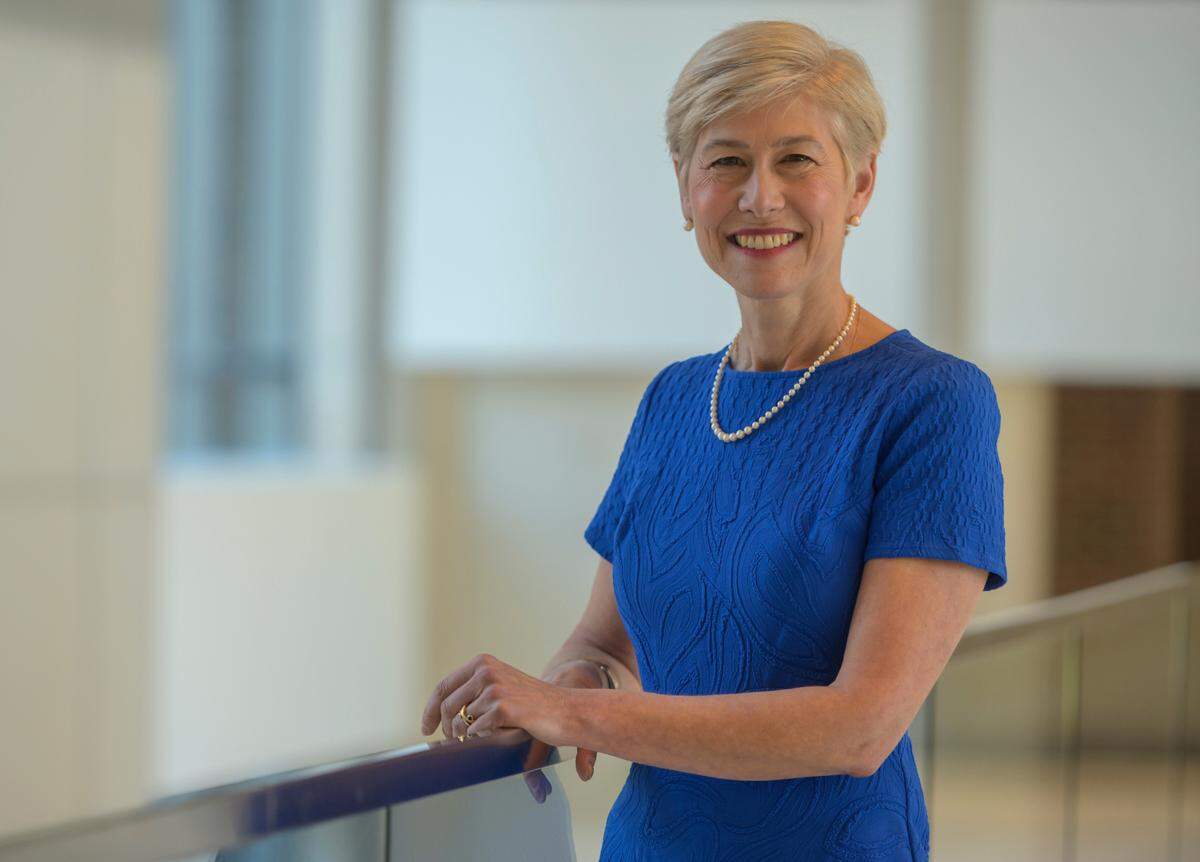
Ross defeated Swain in 2020 to win election to Congress for the first time.
The district covers about two-thirds of Wake County, running as far west as Cary, as far east as Wendell and pulling in both northeast and northwest Raleigh. In the 2020 presidential race, the district cast more than 274,000 votes for then-candidate Joe Biden, a Democrat, compared to about 129,000 votes for Donald Trump, the Republican candidate.
3rd District
U.S. Rep. Greg Murphy, a Greenville Republican, did not have a major party challenger and will be returning to Congress. Gheorghe Cormos, a Libertarian candidate, was also on the ballot.
The Associated Press called the race for Murphy at 8:50 p.m.
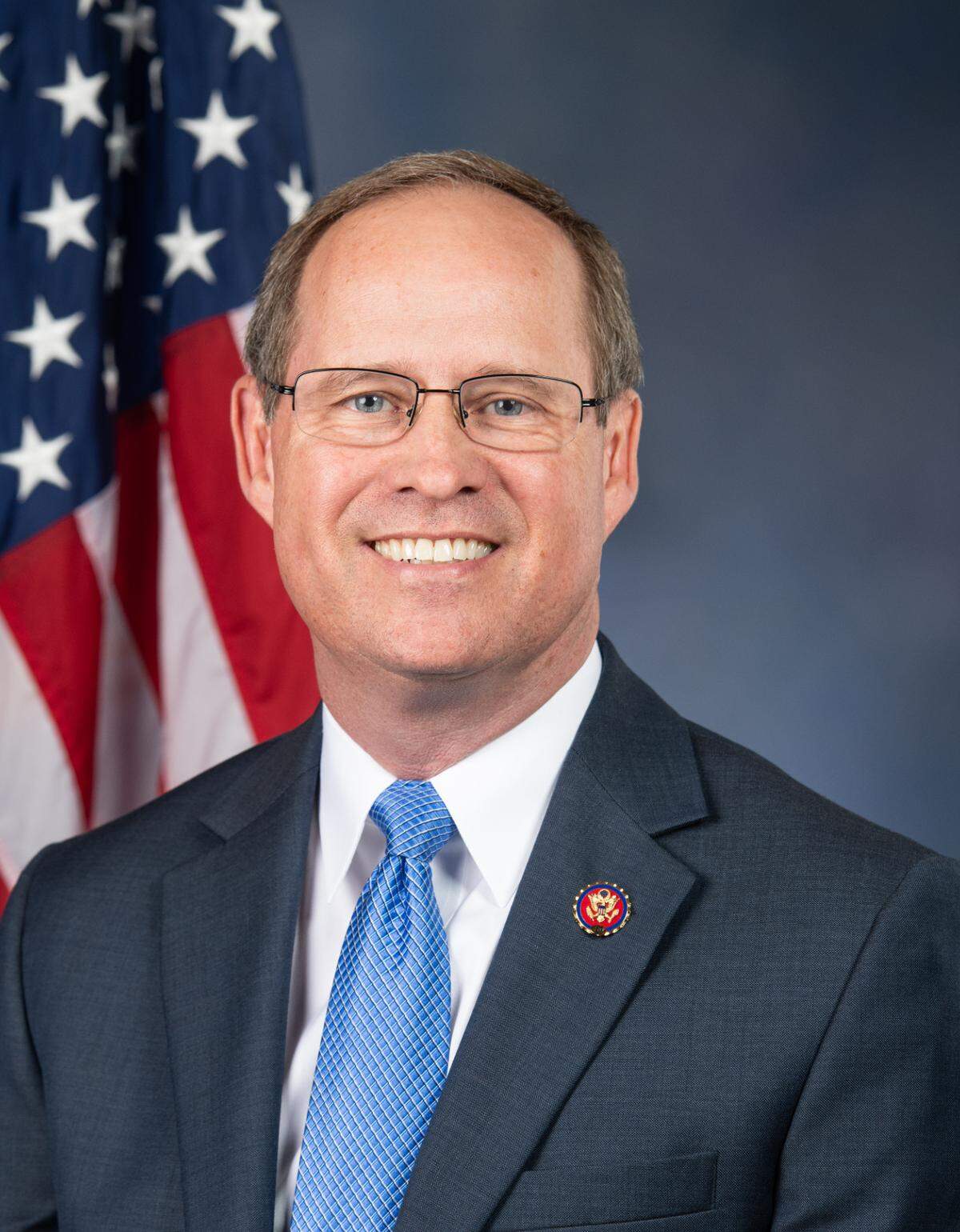
Murphy has represented Eastern North Carolina in Congress since September 2019, after he won a mid-term special election to replace the late Walter Jones Jr. Prior to that, Murphy served in the N.C. House of Representatives for two full terms and part of a third.
A urologist, Murphy is the only practicing physician in Congress.
The coastal district spans from Dare County in the north to Onslow County in the south before running inland as far west as the area around Clinton in Sampson County.. In 2020, voters in the district cast 211,687 votes for Trump and 148,210 votes for Biden.
4th District
U.S. Rep. Valerie Foushee, a Democrat, won reelection in the left-leaning district. Foushee was running against Republican Eric Blankenburg, a technology consultant and U.S. Air Force veteran. Guy Meilleur, a Libertarian candidate, was also on the ballot.
The Associated Press called the race for Foushee at 8:23 p.m.
In a statement to supporters Tuesday evening, Foushee wrote, “I’ve made a commitment to build a better future for our children, and a better life for our communities. Thank you for believing in me, supporting my campaign, and voting to uplift the common good.”
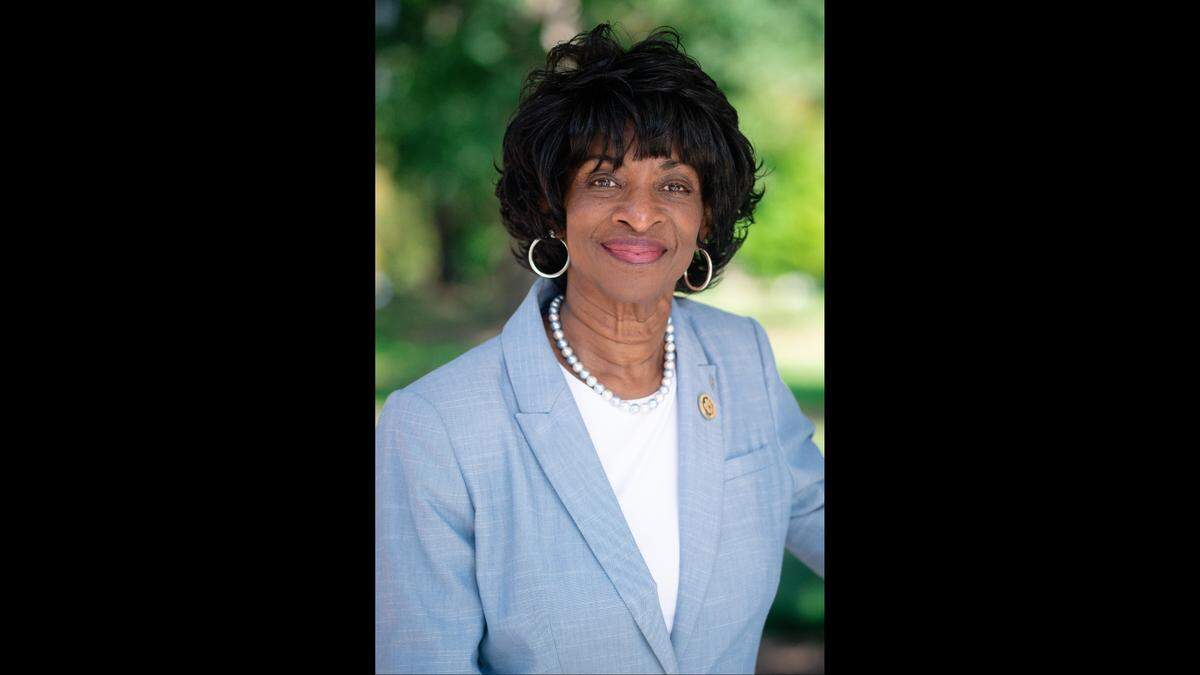
Foushee, a Chapel Hill native, is finishing her first term in Congress .Prior to that, Foushee served in North Carolina’s State Senate for parts of five terms.
The 4th Congressional District includes Durham and Orange counties, as well as the southwestern corner of Wake County around Apex and part of northern Chatham County including Pittsboro. In 2020, the district’s voters cast more than 303,000 votes for Biden and less than 110,000 for Trump.
5th District
U.S. Rep. Virginia Foxx, a Banner Elk Republican, won election to Congress for the 11th time. Chuck Hubbard, a Wilkes County native and former newspaper reporter, was the Democratic candidate in the race.
The Associated Press called the race for Foxx at 9:26 p.m.
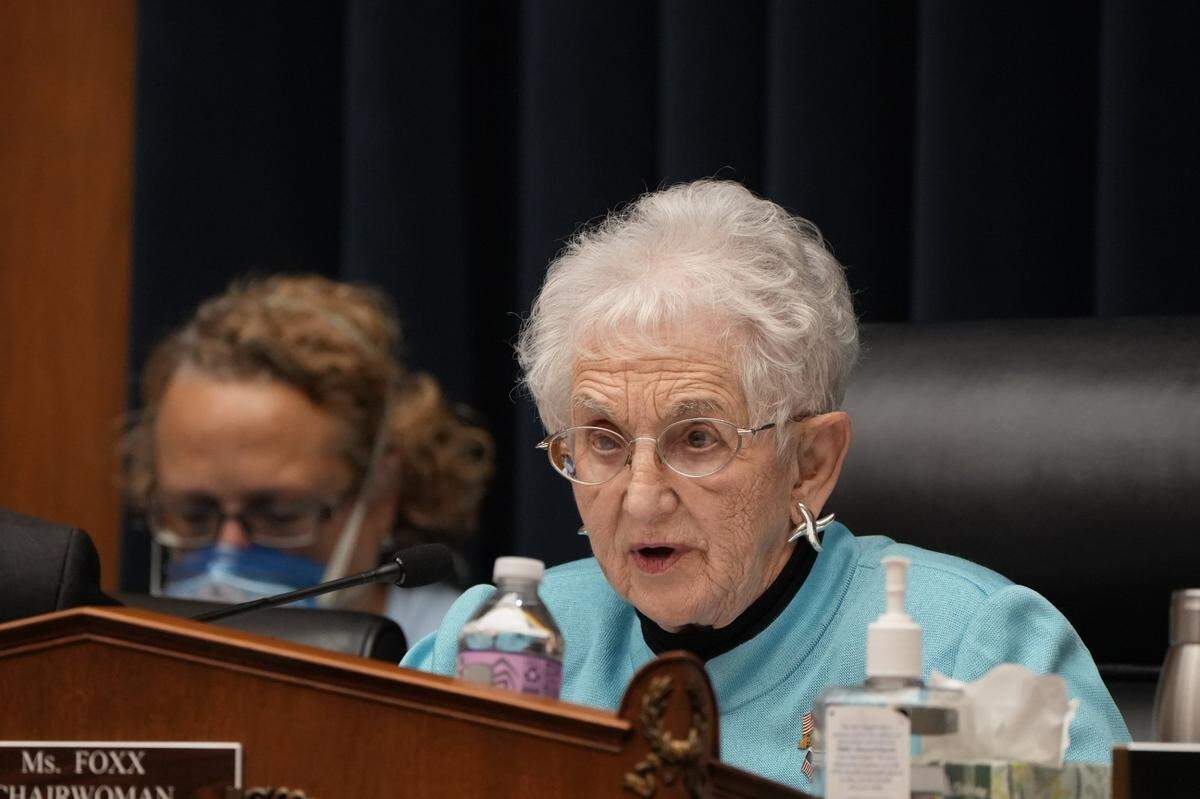
Foxx, who is widely seen as a staunch conservative, chairs the House Subcommittee on Higher Education. Last year, Foxx was the subject of news articles after she scolded a reporter for asking about then-House Speaker nominee Mike Johnson’s role in efforts to overturn the results of the 2020 election, telling the reporter to ”shut up.”
Prior to serving in Washington, Foxx spent a decade in the N.C. State Senate. She also has earned a doctorate in education and has worked as a community college president.
The 5th Congressional District includes the High Country, with counties like Ash, Caldwell and Watauga. It also runs across the state’s northwestern border from Ashe to Rockingham, including places like Stokes and Surry counties before dipping into the northwestern corner of Guilford County, including Greensboro.
In 2020, voters in the 5th District cast 225,151 votes for Trump and 166,293 votes for Biden.
7th District
U.S. Rep. David Rouzer. a Wilmington Republican, won reelection to the congressional seat he’s held since 2015. The Democratic candidate in the race is Marlando Pridgen, a Whiteville native and grassroots organizer.
The Associated Press called the race for Rouzer at 10:22 p.m.
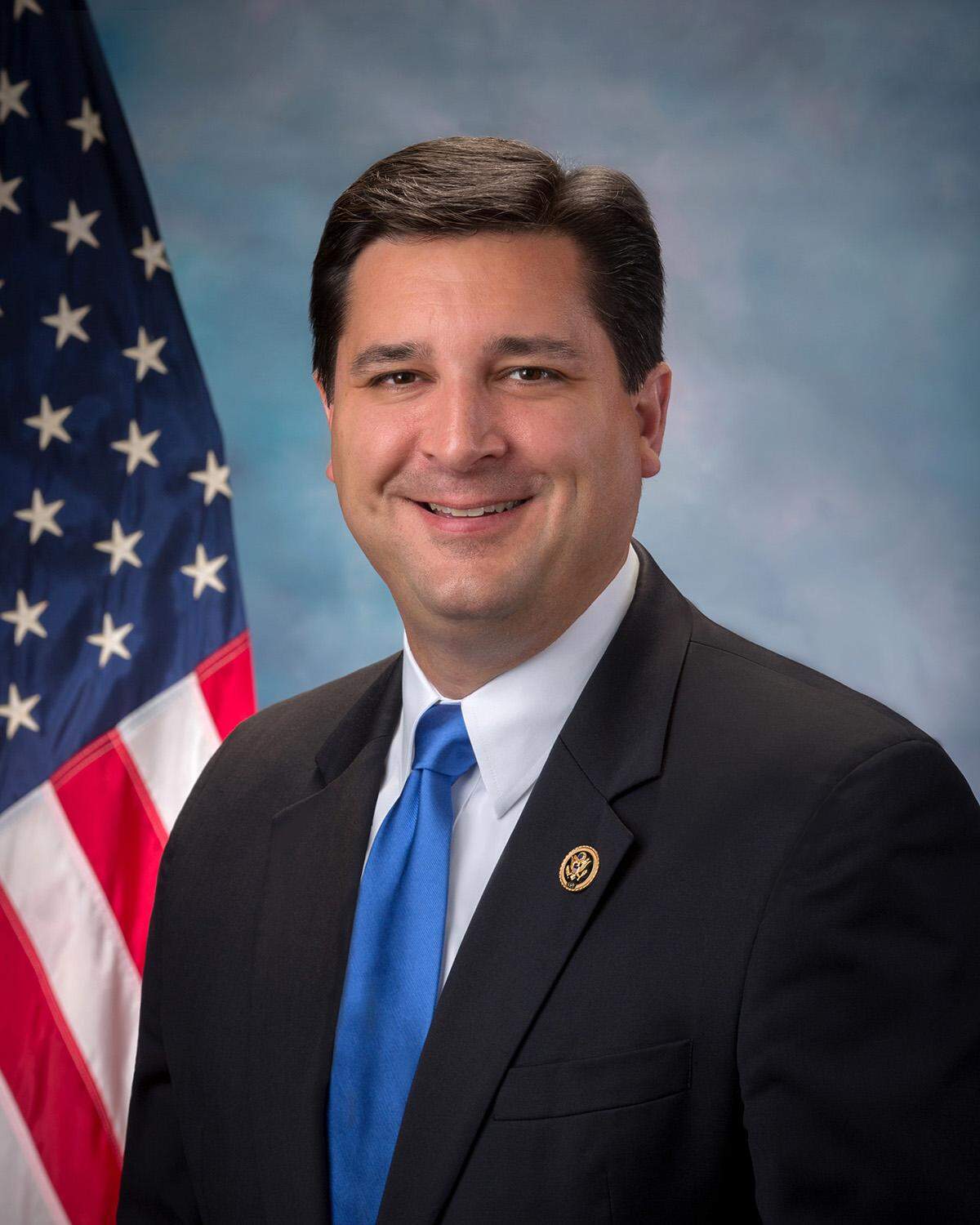
Rouzer, who previously served in the N.C. State Senate, is chairman of the House Transportation and Infrastructure Committee’s Subcommittee on Water Resources and the Environment.
The 7th Congressional District runs along the coast from Pender to Brunswick counties before turning west along the South Carolina state line to the eastern edge of Robeson County. In its northwestern corner, the district includes Hope Mills and Fayetteville’s downtown. In 2020, the 7th District’s voters favored Trump to Biden by a margin of 227,650 votes for Trump to 181,291 votes for Biden.
9th District
U.S. Rep. Richard Hudson, a Southern Pines Republican, won reelection to represent North Carolina’s Sandhills district for a seventh term in Congress. Hudson was facing Democrat Nigel Bristow, a retired New York City Police Department detective who now works as Anson County’s chief of probation and parole.
Shelane Etchison, an independent, was also on the ballot.
The Associated Press called the race at 12:38 a.m.
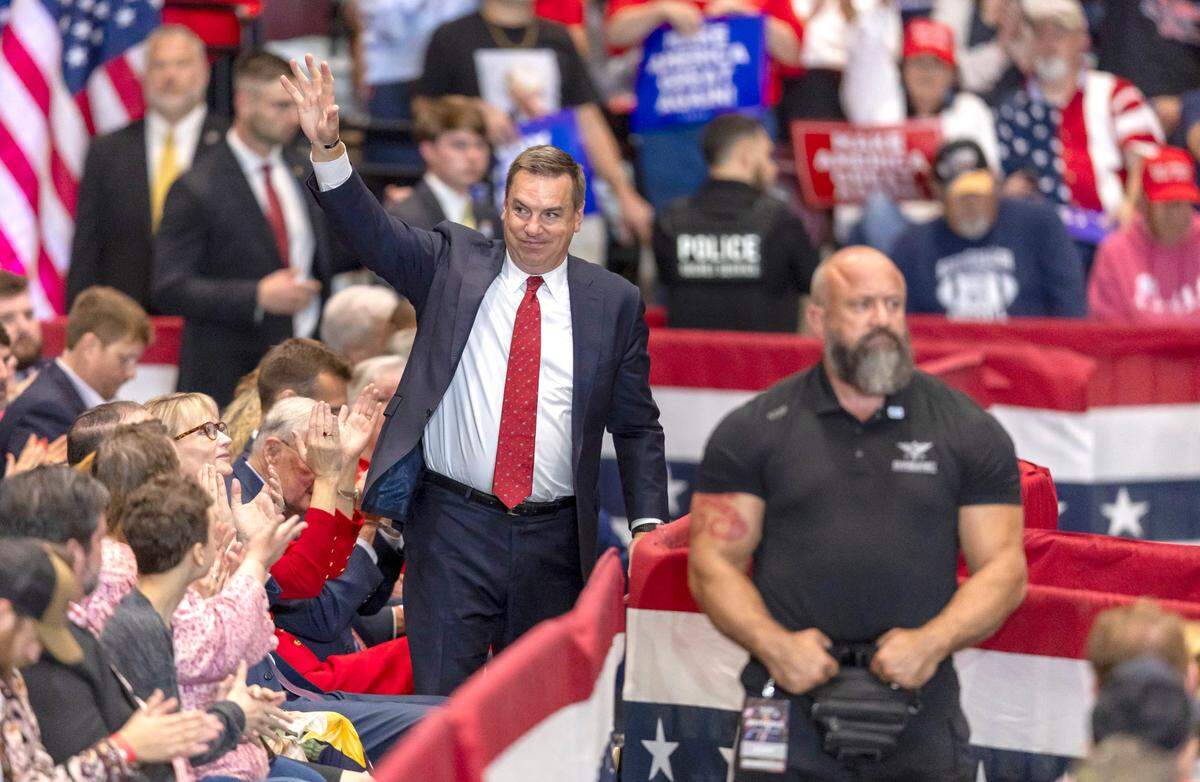
Hudson is a member of House Republican leadership and is chairman of the National Republican Congressional Committee, a key fundraising and campaign apparatus for House Republicans.
Hudson’s priorities include supporting soldiers and veterans, as well as protecting the Second Amendment right to carry firearms.
The 9th District runs along North Carolina’s southern border from the eastern edges of Mecklenburg County in the west to downtown Lumberton in the east. It also includes Montgomery and Stanly counties, as well as much of Cabarrus.
The district tilts Republican, with voters casting 209,263 votes for Trump in 2020 compared to 157,686 for Biden.
13th District
Brad Knott, a Republican, won election to represent the 13th Congressional District, an exurban Triangle seat that was redrawn to make it significantly easier for Republicans to win there.
Knott, who previously worked as an assistant U.S. attorney, is facing Democrat Frank Pierce, the owner of a landscaping company.
The Associated Press called the race for Knott at 10:09 p.m.
“Now that the election is behind us, we can focus on addressing serious problems facing our country with smart conservative solutions. Whether the open border, runaway spending, intrusive regulations from Washington, etc. – we need Conservatives to stand strong and fight for real solutions in Congress. I look forward to being just that,” Knott said in a statement.
.jpeg "image0 (5).jpeg")
The seat is currently held by Wiley Nickel, a first-term Democrat who announced he would not seek reelection after the new maps were drawn.
Knott came in second in the original GOP primary, trailing Kelly Daughtry. But after Knott received Trump’s endorsement in the May runoff election, Daughtry suspended her campaign and he overwhelmingly defeated her to take the nomination.
The newly drawn 13th District wraps around the Triangle like a backwards ‘c.’ It runs along the state’s northern border from Caldwell county in the west to include much of Granville County in the east before dipping down to Franklin County and Wake’s northern edges, around Falls Lake and Rolesville.
The district’s northern and southern pieces are connected by a sliver of Wake County that includes Five County Stadium, the former home of the Carolina Mudcats. Then, it loops around to pull in Johnston, Harnett and Lee counties, as well as the southeastern corner of Wake County.
The 13th District strongly supported Trump in 2020, with 225,176 ballots cast for the GOP nominee compared to 158,136 votes for Biden.
This story was originally published November 5, 2024 at 8:27 PM.