Orange County Democratic primary candidates on education, marijuana, taxes

AI-generated summary reviewed by our newsroom.
- Three Democrats emphasize education funding, teacher pay and school investment.
- All three Democratic respondents support medical marijuana and health care expansion.
- Most call for Medicaid protection, rural provider investment and cost relief.
To help voters learn which candidates are on their ballot and where they stand on important policy issues, The News & Observer is publishing candidate questionnaires in all state and federal races in North Carolina on the March 3, 2026, ballot.
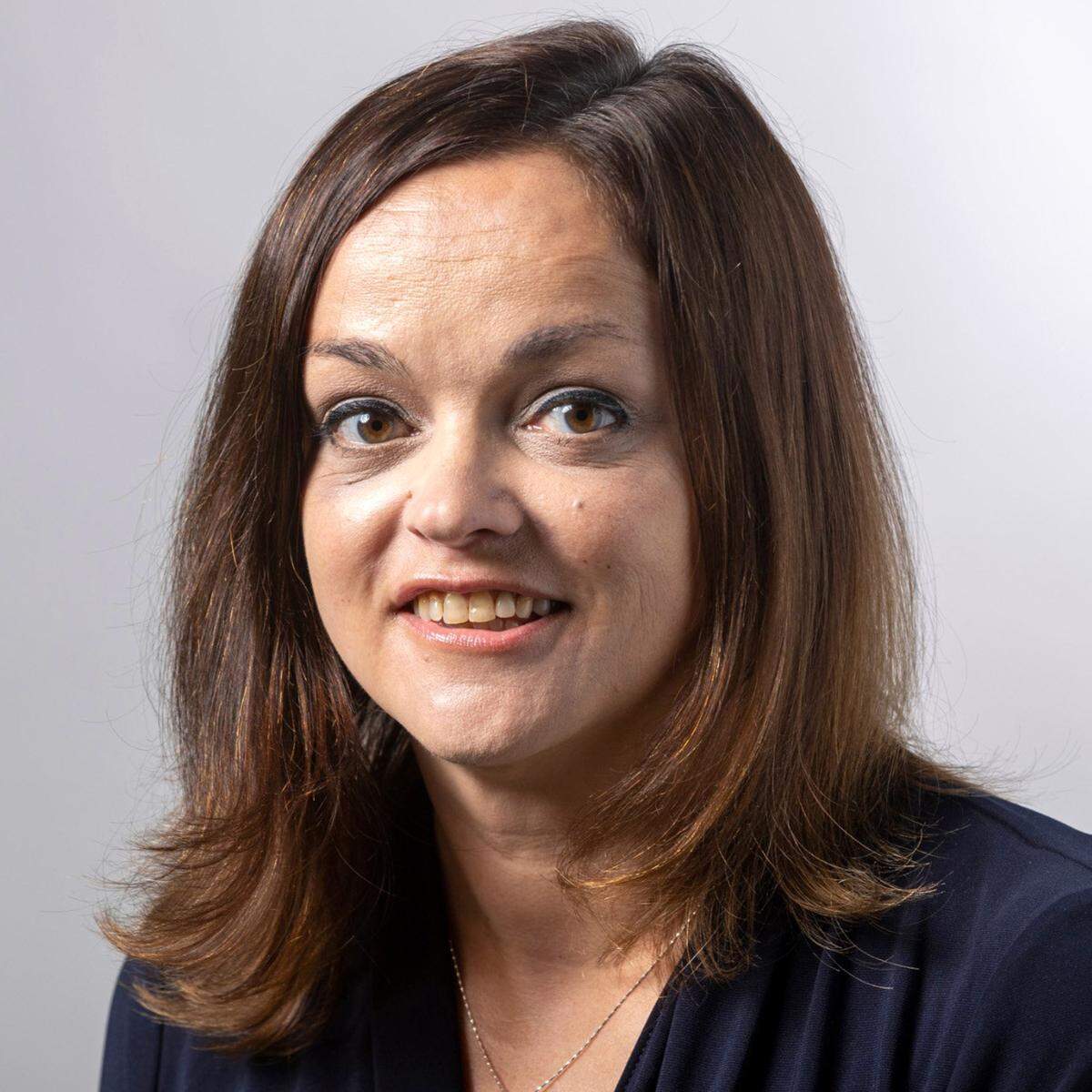
Below are the candidates running for NC House District 50 who responded to our questionnaire, in order by the date their responses were received. Some candidates did not provide a photo.
District 50 includes parts of Orange and Caswell counties, on the western side of the Triangle. The incumbent in the Democratic primary is Rep. Renee Price.
Mary Lucas
Age as of March 3, 2026: 37
Political party: Democratic
Campaign website: https://www.marylucasfornc.com
Current occupation: Vice President of Strategy and Transitions, LifeCare
Professional experience: My professional experience is in health care management and public policy. I worked in government relations at Duke Health and now serve as vice president of strategy at a local nonprofit hospice and palliative care provider. I hold a master’s degree in health care management from Johns Hopkins University and hosted the award-winning radio show and podcast “Aging Matters,” focused on caregivers and aging. This work keeps me close to how policy affects real people.
Education: Master’s in health care management - Johns Hopkins University; B.S. in Business Administration - UNC Wilmington
Please list any notable government or civic involvement: Orange County Advisory Board on Aging; Orange County Animal Services Advisory Board; 2025-26 Orange County Democratic Party West Hillsborough Precinct Chair; 2025 Orange County Democratic Party, 3rd Vice Chair; City of Raleigh Human Relations Commissioner; City of Raleigh Community Engagement Board, Vice Chair
What is the most important issue in your district and what do you want to do about it? The most important issue in the district is that politics has drifted too far from people’s real lives. You see it in housing costs, access to health care, aging and caregiving, and in rural communities that feel overlooked. What I want to do is bring politics back to the people by speaking boldly about these issues, protecting our shared values, and building policy around lived experience. Silence is not service.
The legislature sets teacher base pay. What do you think the salary range should be for teachers, from starting to 30+ experience? North Carolina should be paying teachers at least the national average, and honestly, we should be paying more. I come from a family of public school teachers, and I’ve seen up close how hard this job is. Starting pay should be high enough for new teachers to live where they teach, with a real goal of $50,000. Veteran teachers deserve $80,000 to $90,000. If we keep paying less, we’ll keep losing great educators.
As of January, North Carolina was the last state not to have passed a new, comprehensive budget. What would you do to help make sure a budget passes? Passing a budget is part of the job, and when it doesn’t happen, real people feel it. The budget shouldn’t be used as a political weapon. I would push to start the work earlier, keep the process transparent, and stay at the table until it’s done. I would also not sit back and wait and instead speak up about the real harm delays cause and lift the voices of the people affected. Silence isn’t service.
North Carolina’s income tax rate for individual taxpayers is 3.99%. Should that be reduced further? No. I don’t support cutting the income tax rate further. North Carolina already has a very low flat tax, and more cuts mostly help people at the top while leaving less for schools, health care and basic services. We need a tax system that’s fair and pays for the things our communities actually depend on.
Do you think the state is using taxpayer money efficiently? Why or why not? No, I don’t think we’re using taxpayer dollars as well as we could. Too often, spending doesn’t match what people actually need. Schools, health care, and local services are underfunded, while money goes toward priorities that don’t always deliver real public benefit. Being responsible with taxpayer money isn’t about spending less, it’s about making sure our spending actually helps people.
Do you support legalizing medical marijuana use? Why or why not? Yes, I support legalizing medical marijuana. I work in health care and end-of-life care, and I see how often people struggle with pain, anxiety and symptoms that don’t respond well to traditional treatments. Patients should have safe, regulated options and the freedom to make decisions with their doctors. This is about compassion, dignity and meeting people where they are.
What do you see as the biggest barrier to health care access in your district, and what actions would you take to address it? The biggest barrier to health care access in our district is that it’s too expensive, too unstable, and too far away for many people. People lose coverage, delay care because of cost, or have to travel long distances to see a provider. I see this every day in my work. I would focus on protecting and expanding coverage, strengthening Medicaid, and investing in rural providers and community-based care so people can get care close to home, when they need it.
Brandall Redd
Age as of March 3, 2026: 25
Political party: Democratic
Campaign website: https://brandallreddfornc.carrd.co/
Current occupation: Restaurant manager
Professional experience: Background in business operations, customer service, and administrative work, including budgeting, compliance, and day-to-day problem-solving. My professional experience centers on working directly with people and understanding the real-world impact of economic and policy decisions on families and small communities.
Education: Associate’s degree in accounting and finance; associate’s degree in business administration; currently completing a bachelor’s degree in business administration with a concentration in business management.
Please list any notable government or civic involvement: Active involvement in local Democratic Party activities, candidate forums and community events. Ongoing engagement in voter outreach, issue discussions, and grassroots organizing, with a focus on education funding, health care access and fair elections.
What is the most important issue in your district and what do you want to do about it? The most important issue in my district is economic stability for working families, which is closely tied to access to good-paying jobs, affordable health care and strong public schools. Too many families are working hard but still falling behind as costs rise faster than wages. I want to focus on policies that strengthen public education, expand workforce training and trade programs, support small businesses, and ensure health care is accessible and affordable so people can stay healthy.
The legislature sets teacher base pay. What do you think the salary range should be for teachers, from starting to 30+ experience? I believe starting teacher pay in North Carolina should be at least $60,000 per year, with a clear and predictable salary schedule that rewards experience and longevity. Teachers with 30 or more years of experience should be able to earn $90,000–$100,000 or more, reflecting their expertise, leadership and the critical role they play in student success. Competitive pay is essential to recruiting new educators, retaining experienced teachers, and strengthening public education across the state.
As of January, North Carolina was the last state not to have passed a new, comprehensive budget. What would you do to help make sure a budget passes? I would prioritize early and consistent communication, focusing on shared goals rather than political posturing. That means engaging with colleagues across the aisle, listening to concerns, and supporting a transparent budget process that centers core needs like education, health care, and infrastructure. I believe budgets should be negotiated in good faith and passed on time so communities, schools and agencies are not left in uncertainty.
North Carolina’s income tax rate for individual taxpayers is 3.99%. Should that be reduced further? I do not believe further across-the-board reductions should be a priority right now. North Carolina must first ensure we are adequately funding core responsibilities like public education, health care, infrastructure and public safety. Any future tax changes should be targeted and balanced, with a focus on relief for working- and middle-income families rather than cuts that undermine essential services.
Do you think the state is using taxpayer money efficiently? Why or why not? While North Carolina manages some areas efficiently, there is room for improvement. Too often, budget delays, political gridlock and misaligned priorities prevent taxpayer dollars from being used as effectively as they could be. I believe greater transparency, timely budgets, and a focus on outcomes — especially in education, health care, and infrastructure — would improve efficiency and public trust.
Do you support legalizing medical marijuana use? Why or why not? Yes, I support legalizing medical marijuana under a well-regulated system. Medical marijuana has been shown to provide relief for patients with chronic pain, epilepsy, cancer-related symptoms, and other serious conditions. Legalization would allow patients safe, controlled access while reducing unnecessary criminalization and ensuring proper oversight by medical professionals.
What do you see as the biggest barrier to health care access in your district, and what actions would you take to address it? The biggest barriers to health care access in my district are affordability and availability, particularly in rural areas. High costs, limited providers, and long travel distances prevent many residents from getting timely care. I would support policies that strengthen rural health care systems, expand access to affordable insurance, invest in telehealth, and ensure health care workers are fairly compensated so providers can stay in our communities.
Renee Price
Age as of March 3, 2026: Not provided
Political party: Democratic
Campaign website: www.reneepricefornc.com
Current occupation: Legislator
Professional experience: I have been a member of the N.C. House of Representatives for District 50 since January 2023. From 2012 to 2022, I served on the Orange County Board of County Commissioners, with two years as chair. Previous positions: housing director, land-use planner, Office of Environmental Impact assistant project manager, law firm grant-writer, conservation council coordinator, sustainable forestry initiative program director for minority landowners, and government relations manager for a mentoring program.
Education: Master of Regional Planning from Cornell University; Bachelor of Arts from Tufts University; attended Colgate Rochester Divinity School in the Master of Arts program; certificate of completion from the Professional Development Academy on Leadership Development.
Please list any notable government or civic involvement.: Co-founded Spirit Freedom, a nonprofit that tells the history of Orange County through the lens of people of color, and seeks to build bridges of cross-cultural understanding through the arts. Co-founded the Orange County Community Remembrance Coalition to recognize men and women who were victims of racial terror lynching roughly from 1869 to 1950. Member of the NC Black Alliance Board of Trustees. Member of Eno River Advisory Board. Member of Alamance-Orange Prison Ministry Advisory Board.
What is the most important issue in your district and what do you want to do about it? A major issue in HD 50 is public education. School facilities are in need of repair or upgrades, teachers and support staff deserve salary increases, and children go to school hungry. Another issue is affordable housing. I want to invest in public education and a housing program — i.e., repeal the voucher program, assure free breakfast and lunch, support universal pre-K, support rural/small school districts, enact regulatory reforms to lower housing costs and assist renters and homeowners.
The legislature sets teacher base pay. What do you think the salary range should be for teachers, from starting to 30+ experience? I want North Carolina to be a leader in education; this requires attracting and retaining high quality teachers. At a minimum, teacher starting salaries have to be equivalent to what peer groups earn in other sectors, and in context with the region. I would like teacher starting salaries to begin at $55,000. As teachers gain seniority, earn master’s and doctorate degrees, and complete professional development programs, their salaries should increase commensurate with that experience and education.
As of January, North Carolina was the last state not to have passed a new, comprehensive budget. What would you do to help make sure a budget passes? I will continue to stand with my colleagues in demanding a state budget. I showed up on Nov. 17 to vote, despite the fact that the House speaker had announced a no-vote session.
North Carolina’s income tax rate for individual taxpayers is 3.99%. Should that be reduced further? North Carolina income tax structure should be amended or overhauled to be a progressive tax, rather than continuing with the current regressive tax structure.
Do you think the state is using taxpayer money efficiently? Why or why not? No. Taxpayer money should be allocated to public uses, for the public good. Yet, tax revenues are funding: 1) vouchers to private and religious schools rather than public schools; 2) incarceration rather than rehabilitation and reentry; 3) criminalization rather than mental illness treatment; 4) pregnancy crisis centers with no medical staff, rather than to Planned Parenthood; and 5) environmental degradation rather than climate change mitigation.
Do you support legalizing medical marijuana use? Why or why not? Yes, I support the legalization of medical marijuana. Substances with known and researched medicinal properties to relieve pain and suffering, such as marijuana, with minimal side effects and/or no adverse reactions should be accessible to people in need.
What do you see as the biggest barrier to health care access in your district, and what actions would you take to address it? Transportation, new requirements and cost are barriers to health care access. Due to the small town and rural nature of my district, transportation to and from medical facilities is limited for many families. Also, the stipulations in the “One Big Ugly Bill,” such as the work requirement, present another hurdle for the people who are part of Medicaid expansion. Thirdly, the cost of health care premiums is on the rise, whether from an employer or self pay, thus jeopardizing access to health care.