Candidates in GOP race for coastal NC House district & their positions on issues
To help voters learn which candidates are on their ballot and where they stand on important policy issues, The News & Observer is publishing candidate questionnaires in all state and federal races in North Carolina on the March 3, 2026, ballot.
Below are the candidates running for NC House District 16 who responded to our questionnaire in order by the date their responses were received. Some candidates did not provide a photo. District 16 is on the coast and includes Surf City and Onslow and Pender counties. The primary election is between two Republicans — Joshua Patti and the incumbent, Rep. Carson Smith.
Smith did not respond.
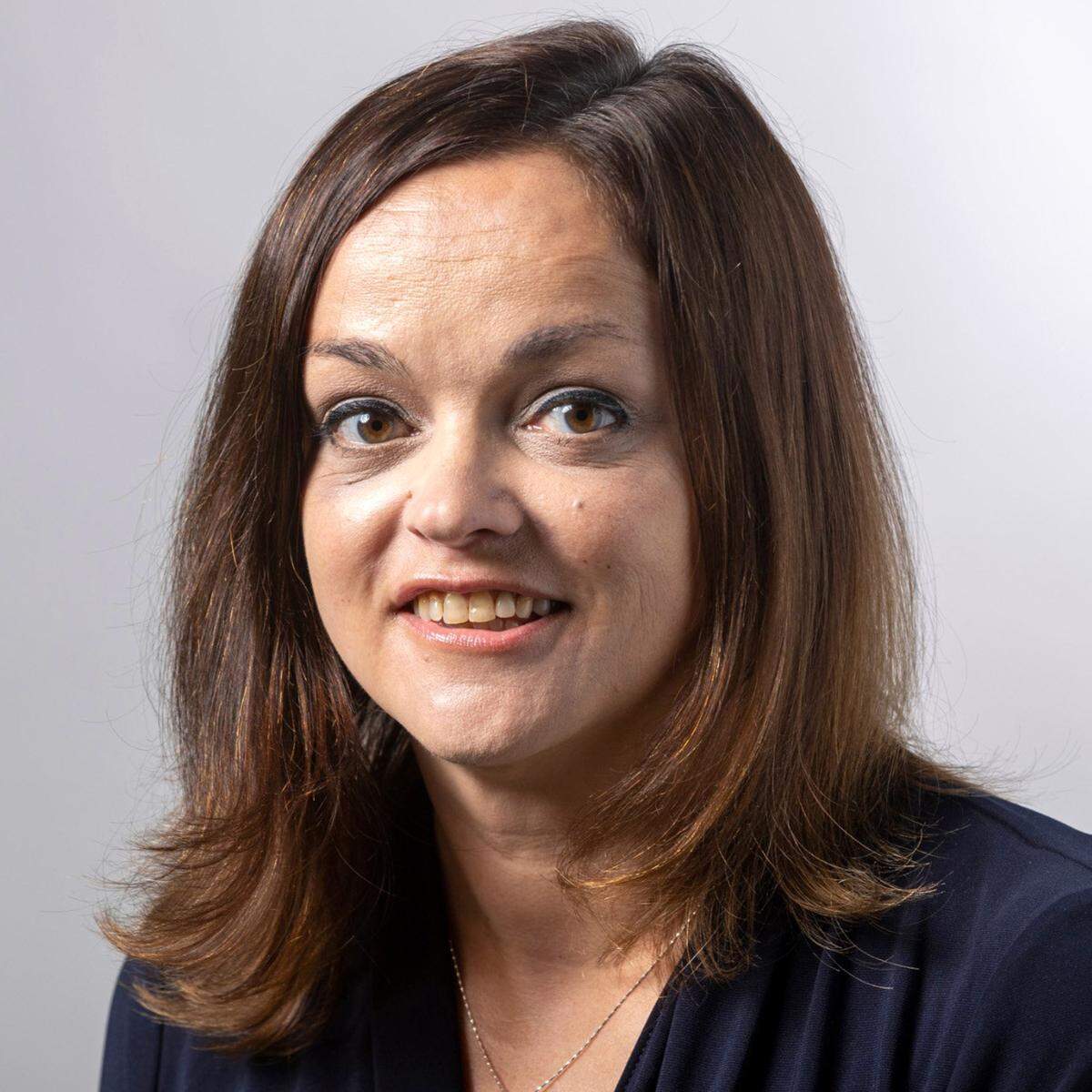
Joshua Patti
Age as of March 3, 2026: 44
Political party: Republican
Campaign website: https://www.pattiforncstatehouse.com/
Current occupation: Educator
Professional experience: 20 years in education
Education: Master’s degrees in history and in education
Please list any notable government or civic involvement: 2.5 years as Mayor Pro Tempore/Councilman in Holly Ridge. Member of numerous government/volunteer committees throughout my adult life.
What is the most important issue in your district and what do you want to do about it? The most important issue in this district is managing growth responsibly while keeping costs and taxes affordable for families. Too often infrastructure, schools and public services lag behind, which puts pressure on taxpayers and quality of life. I want to focus on smart planning at the state level that supports roads, water and sewer, schools, and emergency services before growth outpaces them, so we protect affordability, property values and the character of our communities.
The legislature sets teacher base pay. What do you think the salary range should be for teachers, from starting to 30+ experience? Teachers should be paid as professionals, in a way that is competitive with states that have similar economies and cost of living to North Carolina. Starting pay should be strong enough to attract and retain new teachers, with a clear path for growth that rewards experience and long-term commitment to the classroom. I intend on learning more about and working with educators and policymakers to find practical, responsible solutions that support teachers while respecting taxpayers.
As of January, North Carolina was the last state not to have passed a new, comprehensive budget. What would you do to help make sure a budget passes? Passing a state budget on time should be a basic responsibility, not a recurring failure. I would focus on early engagement, clear priorities and open communication to keep the process moving. By emphasizing fiscal responsibility, education, infrastructure and public safety, and by evaluating what works and cutting inefficiencies, we can pass a practical budget that serves North Carolina’s families and communities.
North Carolina’s income tax rate for individual taxpayers is 3.99%. Should that be reduced further? North Carolina’s lower income tax rate is a positive step and helps keep the state competitive. And yes, if plausible the rate should be lowered further. At the same time, many families are not feeling that relief because rising property taxes, insurance and other costs are offsetting those savings. The state should look at the full tax burden and consider property tax relief and other cost pressures so families see real and meaningful relief.
Do you think the state is using taxpayer money efficiently? Why or why not? I believe North Carolina has made strong progress in using taxpayer dollars more responsibly, particularly with a focus on balanced budgets, lower taxes and fiscal discipline. That said, no government operates perfectly. There is always room to improve efficiency by reviewing programs and reducing waste. Responsible stewardship means building on what is working while continuing to look for smarter ways to use public resources.
Do you support legalizing medical marijuana use? Why or why not? I support a careful, limited approach to medical marijuana that is tightly regulated and focused on patients with serious medical conditions. Any policy should prioritize safety, clear medical oversight, and preventing abuse or expansion beyond its intended purpose.
What do you see as the biggest barrier to health care access in your district, and what actions would you take to address it? The biggest barrier is affordability and availability, especially in rural areas where provider shortages exist. I believe the state should focus on strengthening the health care workforce, supporting rural and community-based care, and reducing cost pressures on families. Any solutions should be practical, fiscally responsible, and focused on improving access without expanding or driving up costs for taxpayers.