Ex-commissioner takes on incumbent in high-profile Triangle Register of Deeds race
The Register of Deeds office is there to record key moments in life — births, deaths, marriages, buying a home — but the person responsible for preserving those records typically gets little notice.
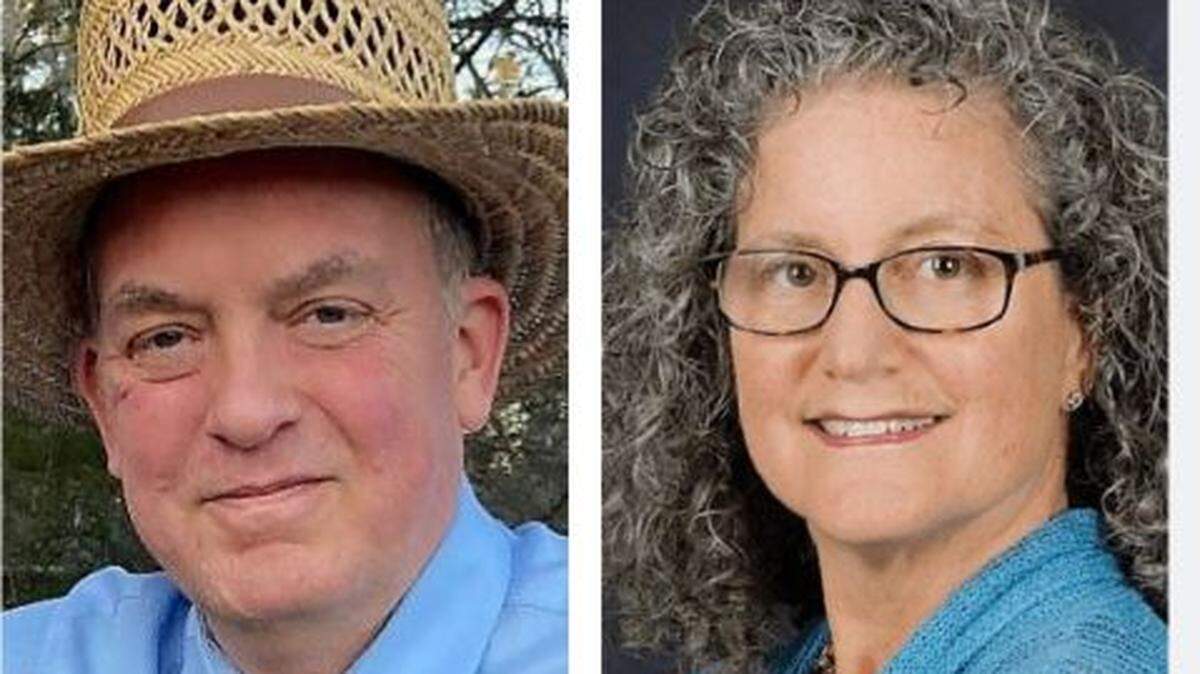
This year, Orange County’s Register of Deeds race is pitting two longtime local politicians who want to lead the office for the next four years. It’s led to sharp exchanges online, in campaign forums, and in a video that current Register of Deeds Mark Chilton released last week, taking a subtle poke at challenger Penny Rich for her claims about his eight years in office.
The Register of Deeds earns $95,673 a year, according to The News & Observer’s public employees database. The winner of the May primary is expected to be elected in November, because there are no Republicans running for the office.
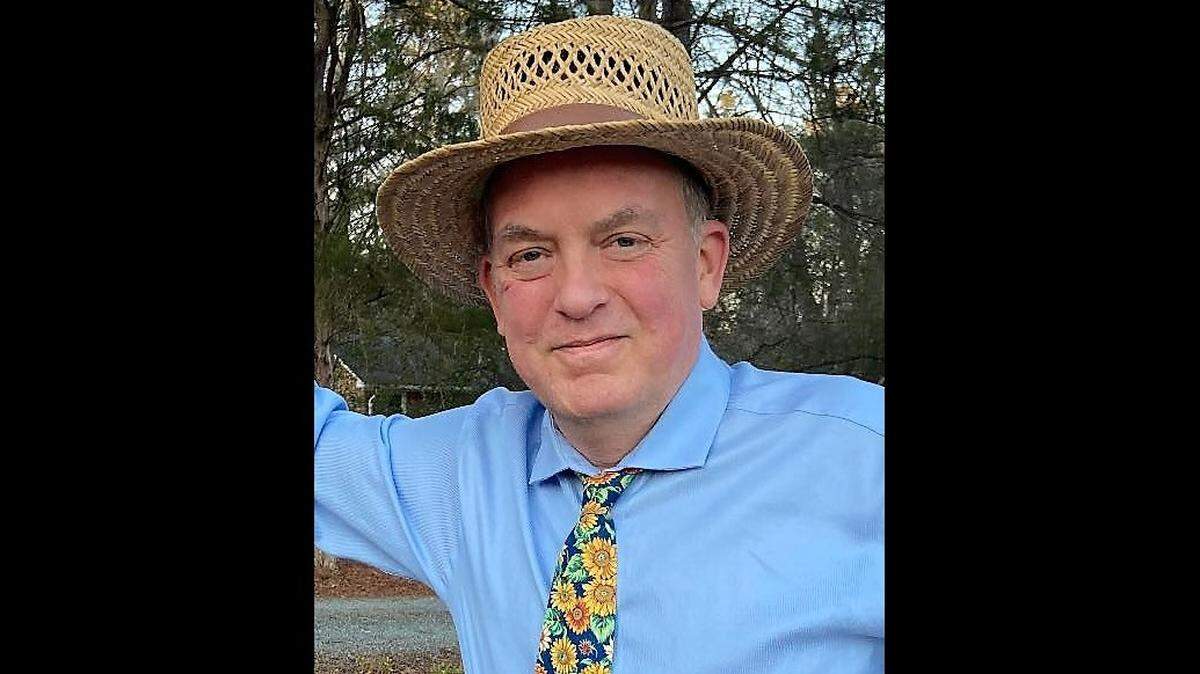
Chilton, an attorney and real estate professional, has made headlines since 1991, when he became the youngest person elected in North Carolina, joining the Chapel Hill Town Council. He went on to serve on the Carrboro Board of Aldermen and as Carrboro’s mayor.
In 2014, he won the Register of Deeds seat with a platform of modernizing the office and challenging North Carolina’s same-sex marriage laws. More recently, he has worked to preserve the county’s handwritten records of enslaved and free people of color.
His record of “experience, service and results” speaks for him, Chilton said.
“I’ve got a lot of positive things to say, a lot of things I’ve been (saying) about our smaller staff, higher net return to the county. I’m proud to run on that record and on my qualifications,” Chilton said. “She’s choosing a different path, and frankly, to me, that’s because she has no qualifications to run.”
You don’t have to be an attorney or a real estate expert to manage the Register of Deeds office, Rich told The News & Observer.
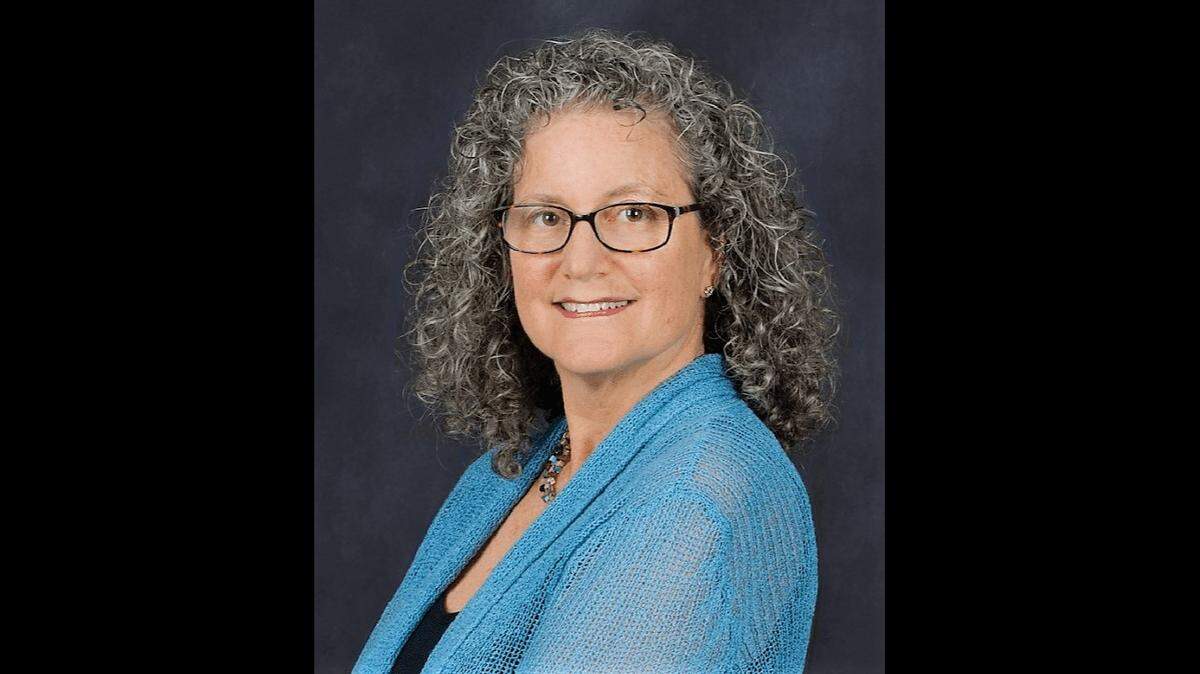
As the commissioners chair, Rich led the county through the COVID pandemic, losing her 2020 bid for re-election by just a few votes. She has worked as a personal chef and caterer, and now is a consultant to the WE Power Food women’s collective. She also has been a member of the Chapel Hill Town Council and the Orange Water and Sewer Authority board of directors.
She wants to be the Register of Deeds, Rich said, because community members with concerns about the current management and level of service encouraged her to run.
“He does an adequate job,” Rich said about Chilton.
“The office is running, but if you look at the mission statement, the mission statement is very different from what my opponent is stuck on. He’s stuck on the extras, which is really nice, but that’s what our taxpayer dollars go to. Our taxpayer dollars go to having an office with expectations that it’s going to always run smoothly and it’s going to be the best it can be.”
Public service, wait times questioned
The Register of Deeds office could be more efficient, Rich said, if it didn’t close for an hour at lunch or stop taking records at 4 p.m., even though the doors are open until 5 p.m.
Chilton said that is inaccurate and disputes Rich’s other claims.
Rich said systems and software could be improved, so that it doesn’t take 30 days or more to get a new property identification number, or PIN, and people don’t have to go to neighboring counties during a pandemic to get a marriage license.
Rich acknowledged that, as commissioners chair, she signed emergency orders that shut down most county offices, but the Register of Deeds is an essential government service that should have stayed open, she said, even if it was just setting up a table in the lobby where documents could be signed and submitted.
“I do not think people should have risked their health to make sure that you got your land records on time. That’s not what I’m saying,” Rich said, “but when I talk to other Register of Deeds in our neighboring counties, they found ways to do it.”
None of that is accurate, Chilton said. The office accepts documents until 4:30 p.m. and spends the last half-hour recording them, he said. Chilton told The N&O the office closed for lunch during COVID, but that stopped in December.
Walk-in clients have been coming to the office since May 2020, after it was closed for several weeks so staff could put public health protocols and an appointment system in place, Chilton said. In 2021, the Register of Deeds website was updated with clear buttons linking visitors to applications for birth and death certificates, passports and marriage licenses, as well as land records.
The move to online services improved the process and continues to be a popular option for most people, Chilton said. He noted that roughly 90% of the work is handled online, and software upgrades have made the system more efficient and reliable. The office also added a dual-language employee, fraud alerts, and applications for passports and small-business filings.
The result was a 15% staff reduction — 2.5 positions cut through retirements — and a nearly $1 million increase in county revenues, he said. There have been no complaints about the quality of service that his staff provides in handling 75% more documents than in 2014, he added.
“I think that’s an amazing accomplishment. I’m proud of that,” Chilton said. “It means that the return on Orange County’s investment in our staff is excellent.”
The next step is modernizing the PIN system, so that documents don’t have to go to the Orange County Tax Office for a handwritten PIN, he said. That can leave customers waiting a day or two for a residential lot, and up to six months for a parcel that’s going through a town’s development process, tax officials said in an email to The N&O.
However, there is no local backlog, they said, pointing on Monday to online parcel boundary records that showed land records were current through April 18. The tax office handles 100 documents or more in a typical day, a staff member said by phone.
Rich said she no longer has access to emails about the Register of Deeds office that she received as a county commissioner. She reached out at the time to County Manager Bonnie Hammersley, because she “wanted to be respectful” of Chilton’s elected position, she said.
In a follow-up email to The N&O, Rich declined to share the names of people who spoke directly with her about their experiences.
“They are concerned about retribution from the ROD office as they still need to use it,” Rich said. “I talked to a lot of folks in confidence and will not break that.”
A search of the commissioners’ email archive showed one person reaching out since 2015 with a question about passport services. Hammersley said in an email that she does not recall or have any complaints in her email about the office.

Time, office management, judgment
Another big issue is judgment, Rich said, from how Chilton runs the office to his 2008 support for gubernatorial candidate Pat McCrory.
“Pat McCrory was the worst governor for LGBTQ rights. He signed that bathroom bill, so it does make a difference,” Rich said. “It probably doesn’t make a difference in the Register of Deeds, because it’s not a political position, but it’s … bad judgment that (Chilton) was the mayor of Carrboro — one of the most progressive towns — and endorsed Pat McCrory.”
Chilton said he endorsed McCrory because of his concerns about Beverly Perdue. McCrory, who was a moderate Charlotte mayor at the time, has since “revealed himself to be an entirely different person, and I don’t support him in any way,” Chilton said.
In the Register’s office, Rich questioned Chilton’s focus on old records. It’s important work, but not what he was elected to do, and his focus shows a lack of judgment, she said.
“It’s fine, but don’t get stuck on just that focus when your office needs a new website, when your office needs new interfaces for inter-governmental offices to work right,” she said. “It has to be a full package.”
Under her leadership, the research would fall to high school and college students seeking service learning hours and experience. She also would be more involved in the statewide records project, People Not Property, centered at UNC Greensboro, she said.
Orange County is one of 13 Register of Deeds offices that have submitted records to UNCG, but only the Buncombe and Guilford Register of Deeds offices serve on the project’s Digital Library on American Slavery Advisory Board.
Chilton said he spends time on research when the office is slow, but mostly does it on his own time after hours. He hasn’t developed a closer partnership with UNCG researchers, because he has had the help of UNC-Chapel Hill and N.C. Central University interns, he said. They have preserved records from 1752 to 1874 so far — about 18,000 pages — and have roughly 60 more years to go.
The work is not just academic or genealogical, Chilton said, but already has helped to answer some complicated land title questions.
“It’s unusual for title attorneys to need to look back that far, but it is something that happens, and it’s a huge help when those kind of situations arise,” Chilton said.
If the work is that important, Rich countered, then the Register of Deeds should make it easier to find. The records are searchable now on the Orange County NC Slave Records blog and also available, but with more effort, through the Register’s records search portal.
Rich pointed to the Buncombe County Register of Deeds site as one that Orange County might emulate. She talked with Buncombe’s Register of Deeds Drew Reisinger about modernizing the office and its website, making both inviting to the public, she said.
“I want to make it a space for community, (so) that if they did want to come there and hang out and do research, that it feels like a good space. It’s not dusty old books on shelves from 1799 to the 1930s that are not all properly archived yet,” Rich said.
This story was originally published April 26, 2022 at 11:00 AM.
CORRECTION: The story was updated to correct information provided by a Register of Deeds staff member about whether the office closes for lunch.