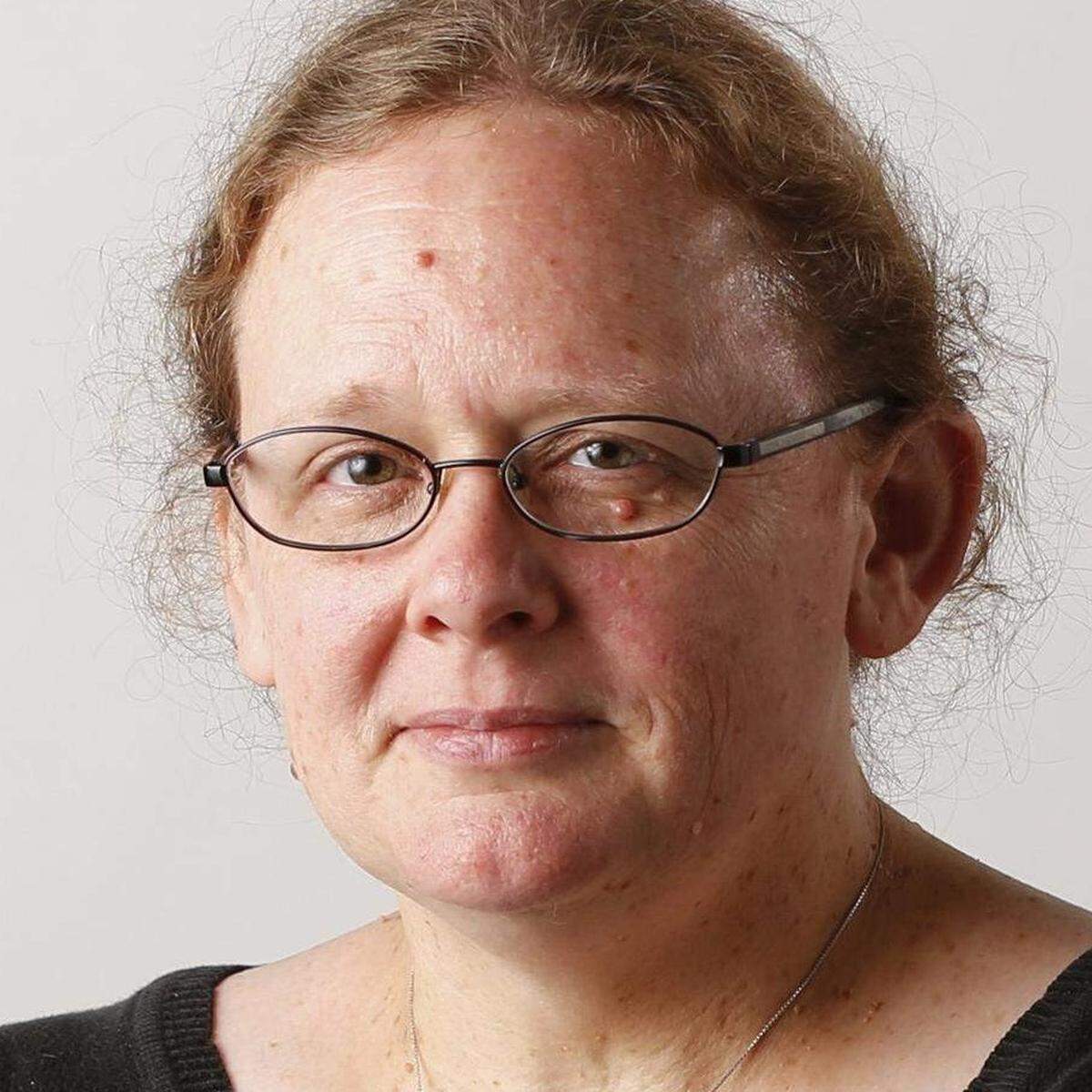
Hemminger won’t run again. Where the race for Chapel Hill mayor stands now.
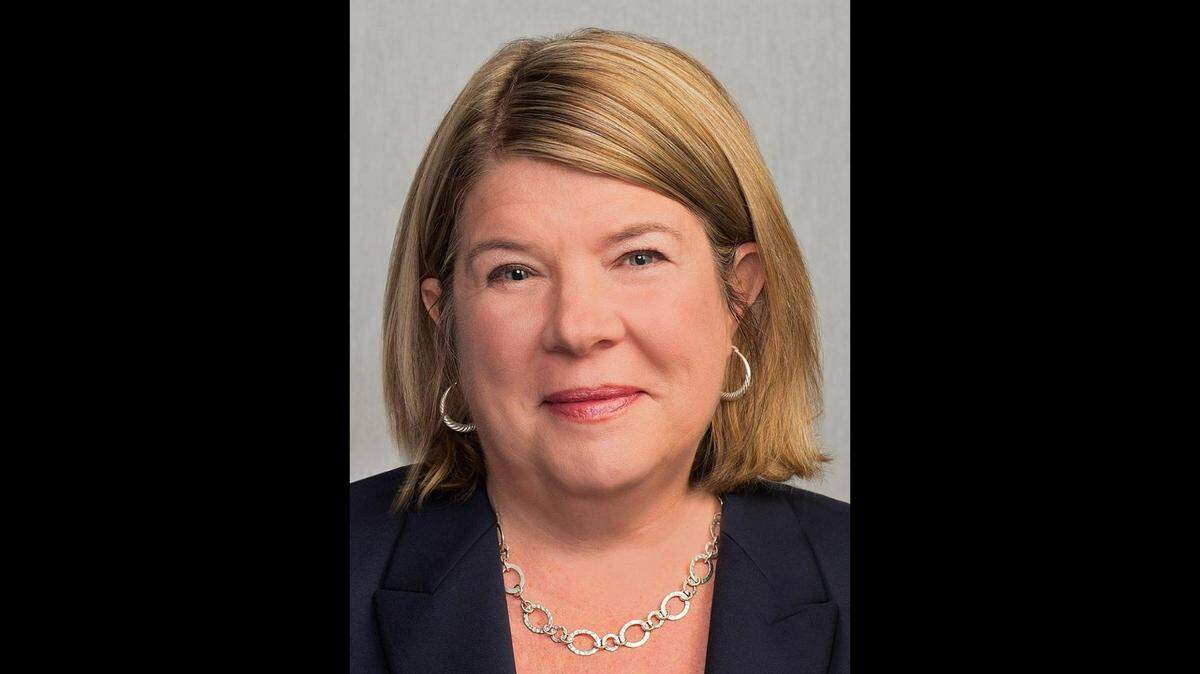
Chapel Hill Mayor Pam Hemminger has made “the difficult decision” to not run for a fifth term leading the town.
She’s known for a while but waited to give another candidate, Council member Jessica Anderson, time to decide about running, Hemminger told The News & Observer by phone Wednesday. Anderson will face Council member Adam Searing in November.
The filing period for the Nov. 7 election is open through noon Friday.
“It’s been a fascinating journey, but I’m exhausted. I need to do some other things in my life,” Hemminger said. She has served more than 30 years in office, including with the Orange County Board of Commissioners and the Chapel Hill-Carrboro School Board.
“It has been an honor serving the people of Chapel Hill, and I want to begin by thanking everyone for your support,” Hemminger said in a news release, counting off a list of town accomplishments during her administration.
“I came into this job in 2015 because I cared about our future and knew we needed to make better choices in order to be sustainable and resilient economically, environmentally, and socially. Over almost eight years we have all worked extremely hard to put our community on a better path toward that future,” she said.
Town Council members seeking mayor’s seat
Searing and Anderson have butted heads a number of times in the last two years about development, the town’s needs and his attempts to paint other council members as unresponsive to public wants and opinions.
Hemminger issued a statement supporting Anderson, who filed Wednesday afternoon.
“Jess possesses a unique combination of personal passion, professional skills, and past experience that makes her the best choice for Chapel Hill’s mayor,” Hemminger said. “In our work together, I’ve found Jess to be a fierce advocate, practical problem solver, and effective policymaker who consistently acts with integrity.”
Hemminger rode a wave of anti-development sentiment and concern about the town’s taller, denser growth in 2015 to upset then-Mayor Mark Kleinschmidt. She had the backing of the local citizens group Chapel Hill Alliance for a Livable Town, or CHALT, in that election, but lost the support of CHALT’s slower growth membership in subsequent elections.
She is tied with former Mayor Kevin Foy, who served from 2001 to 2009, as one of the longest-serving mayors in the town’s history. Only two other mayors held the office for a longer term in the last 154 years: William Roberson, who served from 1914-1927, and John Foushee, who served from 1933 to 1942.
Council member Michael Parker, who also was elected along with Hemminger in 2015, although not with CHALT support, announced in June that he would also be stepping down, along with first-term Council member Tai Huynh.
Council member Amy Ryan announced Wednesday she will seek election to a second term. Anderson’s council seat also will be filled by one of the November winners. Searing will remain on the council until December 2025 if he loses the mayor’s race.
Economic development, commercial tax base
Hemminger said she is proud of the work that the council has done and the progress the town has made, including attracting more economic development and increasing the town’s commercial tax base, which takes some of the pressure off homeowners to pay the town’s bills.
All of that, she said, was done using data, analysis, experts and community input, and in the future, will bring “good jobs and more revenue for the things we care about like affordable housing, parks and greenways, art, and climate action” to Chapel Hill.
The town also created and began to implement an affordable housing master plan in 2017 and the Complete Community framework this year, with the goal of a sustainable future where people can live, work and play in Chapel Hill without the need for a car, she said.
Hemminger and other council members have been the target of significant criticism and threats of removal from office over the Complete Community changes, and the related Housing Choices strategy, which now allows property owners to build two homes or a duplex on a lot in a single-family residential zoning district.
“The results speak for themselves. We have created more affordable housing than ever before, are on track to meet our Climate Action goals, and have a clear plan for creating the places and connections that will help our community thrive,” Hemminger said.
Other accomplishments, she said, include purchasing the Legion Road property for affordable housing and to expand the Ephesus Road park in eastern Chapel Hill, and working with UNC and private developers bringing more jobs, offices and wet lab projects to downtown. A third office and wet lab building has been proposed for West Franklin Street.
The town also began to acknowledge its civil rights past, address lingering needs, such as water and sewer service to the historic Rogers Road community, and address better policing and community safety.
Town staff, residents and the council, over the last eight years, have “done amazing work toward realizing Chapel Hill’s longstanding commitment to being a community where everyone is welcome, included, and can thrive,” Hemminger said.
“We need to stay focused and committed to these goals,” she said.
This story was originally published July 19, 2023 at 10:05 AM.