
Jonathan Lambert-Melton, candidate for Raleigh City Council at-large, answers our questions
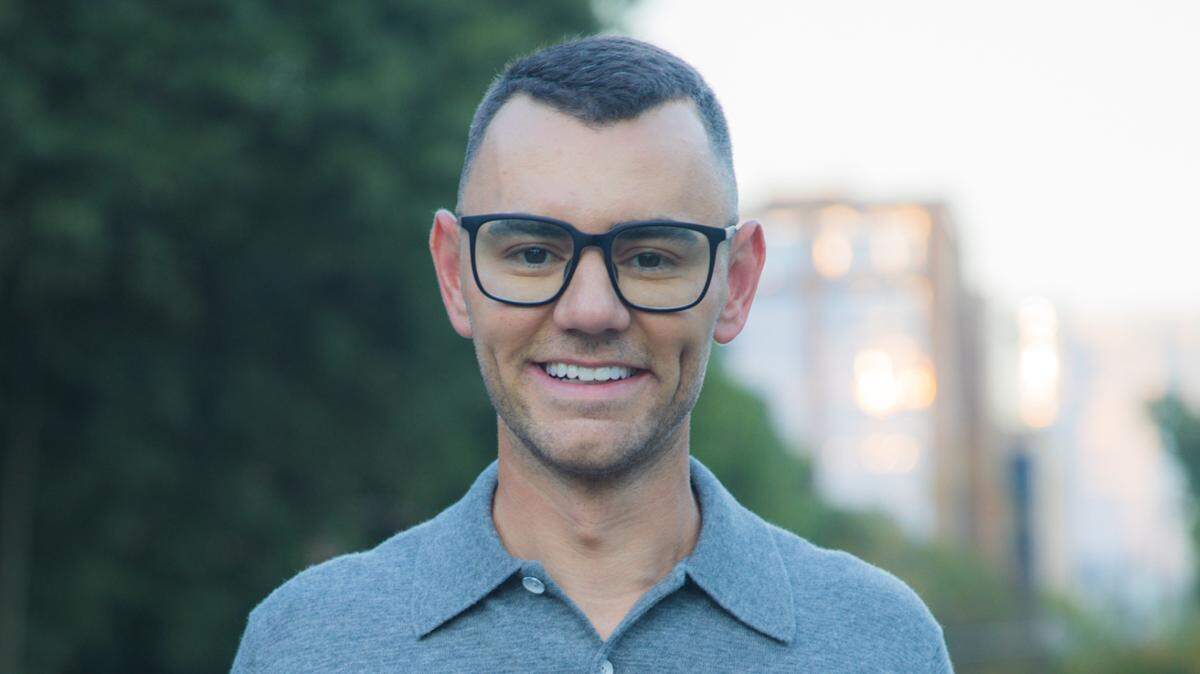
Raleigh voters will pick a new mayor and City Council members this November.
All eight council seats, including the mayor’s, are up for grabs, with all the incumbents except for current Mayor Mary-Ann Baldwin seeking another two-year term.
Election Day is Tuesday, Nov. 5. Early voting runs from Thursday, Oct. 17, through Saturday, Nov. 2.
To help inform voters across the state, this candidate questionnaire is available to be republished by local publications in North Carolina without any cost. Please consider subscribing to The News & Observer to help make this coverage possible.
Name: Jonathan Lambert-Melton
District/seat: Raleigh City Council, at-large
Political party: Democrat
Age as of Nov. 5, 2024: 39
Campaign website: www.jonathanmelton.com
Current occupation: Lawyer/mediator
Education: NC State undergrad, NC Central School of Law
Offices Held/Sought: I have served as an at-large City Council member since 2019
Please list any notable government or civic involvement.
I was first elected to Raleigh City Council, at-large, in 2019 and re-elected in 2022. I currently serve mayor pro tem and chair of the Economic Development and Innovation Committee. I also serve as the city’s representative to the North Carolina League of Municipalities, an organization representing the interests of cities and towns across the state.
Before my service on City Council, I worked to build safe, inclusive spaces for the LGBTQIA+ community and our allies as a founding board member of Stonewall Sports. I also assisted and worked with other local nonprofits: I helped create an annual fundraising event for the NC AIDS Action Network, and I previously served on the Board of Directors of TLC (formerly, “the Tammy Lynn Center”).
In my profession as an attorney, I helped create a program that provides pro bono legal assistance to families involved in domestic violence actions in Wake County District Court.
Which city council district do you live in? C
What is the top issue facing Raleigh now and how would you address it?*
I believe our top issue is housing affordability. Our housing supply has not kept pace with demand, and prices have increased.
We must build more housing to lower costs, and we need to make it easier to build different types of housing affordable to folks at different stages of life, including single family homes, duplexes, townhouses, condos, tiny homes, cottage courts, and accessory dwelling units.
In recent years, Raleigh has made great strides in changes to our zoning code to allow these different types of housing, and I believe we will start seeing the results of these efforts. For example, in recent years, Raleigh has seen a large increase in multifamily, apartment construction, and as these new apartment buildings are opening and accepting new residents, we’re beginning to see rental prices drop in Raleigh, despite rental costs increasing nationwide.
This data shows we are on the right path, but to see consistent, more meaningful results, we need to allow more time for these recent zoning changes to produce more types of housing in Raleigh, and we must keep working to reduce and eliminate red tape and barriers that are driving up the cost of housing.
What is your strategy for increasing affordable housing in Raleigh?
No growing city has solved the affordable housing crisis, but I am certain we are not going to solve it doing things the exact same way that got us into this mess.
We must be willing to try new strategies to increase affordable housing in Raleigh. Police officers, firefighters, teachers, nurses, service workers, and other necessary workers should be able to afford to live in the city where they work.
I have supported the city’s efforts to implement affordable-housing, density-bonus incentives in certain areas along frequent transit, where private developers may build additional height or additional units if they make 20% of the additional units affordable for 60% of the area median income for 30 years. While this is a new program, we are seeing early signs of success.
We have also started partnering with nonprofit, affordable-housing providers to build affordable housing on city-owned land. The city also partnered with the county to create a fund to purchase and preserve naturally occurring affordable housing. We should continue to invest resources into this fund.
I also supported our Affordable Housing Bond which was approved by voters in 2020, and each year we allocate 1 penny of the property tax rate to generate revenue in the city budget solely for affordable housing development; maintaining this consistent funding source is a priority. Also, these public subsidies can go much further and have a greater impact on folks who need the assistance most (unhoused individuals and individuals making less than 30% of area median income), if we can increase our overall supply of housing.
While there is no silver bullet to increase affordable housing, I’ve supported our efforts to eliminate exclusionary zoning and to enact zoning reform efforts to make it easier to build different types of housing and more housing overall, like duplexes, townhouses, tiny homes, cottage courts, and accessory dwelling units. These types of housing should be affordable to folks making 60-80% of area median income, so more of our public money can directly focus on providing housing for folks who are considered very low income.
Should the city be more aggressive about requiring affordable units from developers or partner with nonprofits?
Yes, however, the city does not have authority under State law to require affordable housing units from developers, but they can be offered as voluntary zoning conditions and have been in many rezoning cases decided in recent years by the City Council. However, none of these voluntary affordable housing conditions that have been negotiated from developers have actually produced any affordable units so far. I think it’s important to note that reality.
That said, we are seeing success with our affordable housing incentive programs, which I think are a good model if we want to see actual affordable units produced by private developers. Under the affordable housing incentive programs in both the frequent transit development option and the transit overlay district (mapped along frequent transit corridors, like the upcoming bus rapid transit routes), developers can get extra height or additional units if they make 20% of the additional units affordable at 60% area median income for 30 years. These incentives, which have just recently been put in place, are actually producing affordable housing units, with hundreds approved already, and these affordable units are being paid for entirely by the private developers, without any public subsidy, which allows our public subsidies to go much further. I think we need to continue to expand these incentives and look for more ways to incentivize and increase the affordable housing units being built by private developers.
Yes, we must continue to make partnering with nonprofit affordable housing providers a priority. For decades, the city has owned a great deal of vacant or underutilized land. Empty land owned by the city can and should be used for affordable housing, and we have partnered with many local nonprofit affordable housing providers to construct affordable housing in these areas, mostly through long-term land leases, so the city retain ownership of the land and can maintain the affordability. The city has also sold land to nonprofit affordable housing providers, like the Raleigh Area Land Trust, to create home ownership opportunities for middle and lower income residents.
Do you think Raleigh can support concert venues both downtown and in Dix Park?
No, and Red Hat or any major concert venue should remain downtown. Maintaining a major concert venue downtown is critical to the continued success of our small business owners downtown, and for the overall vibrancy and foot traffic downtown as we continue to work to rebound from the pandemic and changes in behaviors of office workers.
It is my understanding that no major concert venue is planned for Dix Park. While the Dix Park master plan does call for an amphitheater, that amphitheater is intended to be for local, community productions and to serve as a gathering space. I do not believe there is any desire for a large concert venue in Dix Park, and the park is not intended to host large, commercial touring productions on a regular basis. I think Dix Park remains the perfect location for annual music festivals, like Dreamville, but should remain a green, recreational space at all other times.
Would you describe Raleigh’s growth as too fast, too slow or just right?
Raleigh is growing rapidly, that’s a fact. How I would describe it really doesn’t matter, because it’s happening, and we can’t stop it, nor should we try (attempting to run off new people and businesses is not a good idea), so we need to plan for it.
I think the city has done a good job in recent years of creating a road map for changes in Raleigh’s built environment to prioritize sustainable growth. In our urban cores and along transit corridors, we’ve made it easier to build dense, mixed-use infill housing with retail. In our more suburban areas, we are working to create a better-connected street grid, more bicycle and pedestrian infrastructure, and more frequent transit. In my opinion, that is how you build a sustainable, green and affordable city.
Do you think Raleigh is losing too many historic properties? If so, how should this be addressed?
Yes, but addressing this issue is challenging.
Historic preservation is a personal interest and something I have prioritized on City Council. I often look at old pictures of Raleigh and lament the loss of so many historic buildings over time. Worse, most of those buildings were demolished for surface parking lots.
We must preserve what historic and unique places we have left, or we risk becoming a bland, homogeneous city. We should prioritize development on vacant and underutilized land, especially downtown; there’s a lot. However, we must also acknowledge that if a property owner doesn’t seek historical protection and sells, the new owner can often demolish and build what they want. This is what was going to happen at Seaboard Station, however, those new owners filed a rezoning request. Because they asked for a change, we were able to negotiate preservation conditions for the historic Seaboard Station building.
I think it is important to work with the development community and property owners to preserve, adapt and reuse existing spaces, and build on vacant land and surface parking lots. We need to make room for new residents who want to call Raleigh home, while protecting what makes us special and unique.
This story was originally published September 26, 2024 at 3:02 PM.