
James Bledsoe, candidate for Raleigh City Council at-large, answers our questions
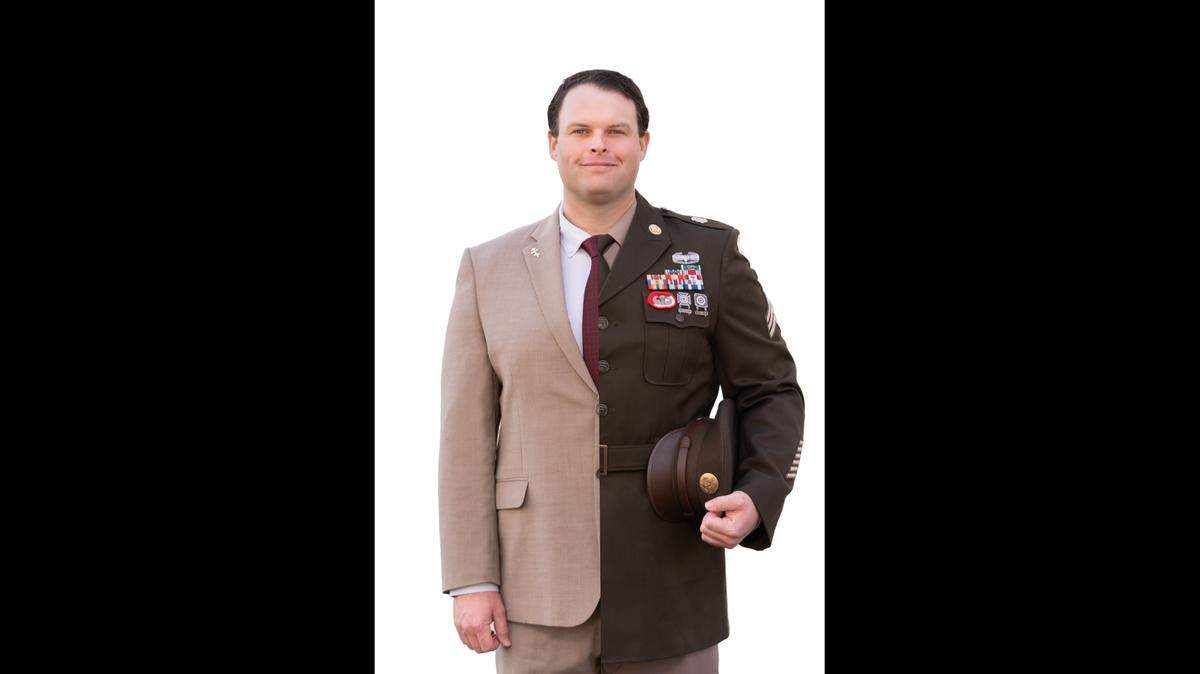
Raleigh voters will pick a new mayor and City Council members this November.
All eight council seats, including the mayor’s, are up for grabs, with all the incumbents except for current Mayor Mary-Ann Baldwin seeking another two-year term.
Election Day is Tuesday, Nov. 5. Early voting runs from Thursday, Oct. 17, through Saturday, Nov. 2.
To help inform voters across the state, this candidate questionnaire is available to be republished by local publications in North Carolina without any cost. Please consider subscribing to The News & Observer to help make this coverage possible.
Name: James Bledsoe
District/seat: Raleigh City Council, at-large
Political party: Unaffiliated
Age as of Nov. 5, 2024: 38
Campaign website: electjamesbledsoe.com
Current occupation: Explosive Ordinance Clearance Agent, US Army
Education: BS Criminal Justice. Currently in school for Cyber Security.
Offices Sought/Held: Ran for City Council at-large and district C
Please list any notable government or civic involvement.
I have championed for better support systems and benefits for first responders and veterans, such as mental health days and additional retirement benefits for police and fire department members. I have supported pro-business initiatives, including deregulating and providing more support for small businesses. I’m also a member of the Veterans of Foreign Wars (VFW) and the American Legion, I have participated in community service projects and advocated for veterans’ rights. My broad political support includes endorsements from the Veterans Party NC, Libertarian Party NC, Reform Party NC, Forward Party NC, Constitution Party NC, Wake GOP, Raleigh Republican Club, and endorsements from Andrew Yang and the Independent Veterans of America. Since 2015, I have been active in local politics, state politics, & engaging Veterans to get more involved.
Which City Council district do you live in? C
What is the top issue facing Raleigh now and how would you address it?
Public Safety. Raleigh is seeing human trafficking increases of fivefold (5x) under this current council just in the last two years, accompanied by high numbers of murders and record triple-digit rapes year over year. My goal is to reduce high-expenditure, low-performing line items in the budget and redirect those funds to first responders to remove Raleigh as the worst-paid municipality for first responders in the state. For example, reducing the city manager’s pay of $358,000 back down to her 2021 salary, so she makes less than Gov. Cooper.
I also plan to change the pay scale of first responders to a time-in-grade and time-in-service scale to remove pay issues like pay compression and leapfrogging. Raleigh is 100 officers short according to our 2001 population metric that this council is still using. Unfortunately for this city and council, it’s 2024, and we need at least 400 more officers to account for our ever-increasing population and growing crime.
When you call 911, there’s a good chance that you’re going to be told to wait because officers just are not available. Members of this council have been on for five years; they know about these problems but refuse to solve them, or even mention them, until election season. Raleigh must address this issue now.
What is your strategy for increasing affordable housing in Raleigh?
My strategy for increasing affordable housing in Raleigh focuses on reducing regulatory barriers and streamlining permitting and zoning processes. By eliminating unnecessary regulations and speeding up the approval process for new housing developments, we can encourage more private-sector investment and increase the housing supply. This includes revising zoning laws to allow for higher-density housing and mixed-use developments, and implementing a more efficient permitting process. Additionally, I propose restructuring the Unified Development Ordinance (UDO) to remove height restrictions and allow for diverse housing options such as duplexes, triplexes, cottage courts, slim/micro homes, modular (connex) homes and tiny apartments. Reducing minimum lot sizes and parking requirements can also encourage developers to create more affordable housing options.
Furthermore, I aim to preserve Naturally Occurring Affordable Housing (NOAH) by implementing a Right of First Refusal policy, which would give the city or designated nonprofit organizations the opportunity to purchase NOAH properties when they go up for sale. This helps prevent displacement of current residents and maintains existing affordable housing. By focusing on these strategies, I aim to create a more affordable and inclusive housing market in Raleigh, ensuring that all residents have access to safe and affordable housing.
Should the city be more aggressive about requiring affordable units from developers or partner with nonprofits?
Let’s call affordable housing what it is, taxpayer-subsidized housing. My plan does not support increasing subsidized housing at taxpayers’ expense. Instead, I believe we should focus on streamlining housing construction processes to make it easier and more cost-effective for developers to build new homes at less cost and time instead of having to spend months or years in front of council asking please ‘Please let us build more homes.’ That stalls building construction and drives up the cost of homes. By reducing bureaucratic hurdles and simplifying the permitting process, we can encourage more private-sector investment in housing, which will naturally increase the supply and help lower prices.
Additionally, I advocate for soft infill and building laterally to address our housing needs without contributing to urban sprawl. Soft infill involves utilizing underused land within existing urban areas to create new housing opportunities, which helps maintain the character of our neighborhoods while increasing density. Building laterally, rather than expanding outward, ensures that we make the most efficient use of our available land and infrastructure. This approach not only preserves green spaces but also promotes sustainable growth and development in Raleigh.
Do you think Raleigh can support concert venues both downtown and in Dix Park?
Red Hat needs to stay in place, and the street next to it does NOT need to be blocked.
Would you describe Raleigh’s growth as too fast, too slow or just right?
I would describe Raleigh’s growth as fast. I’ve seen firsthand how rapid expansion can bring both opportunities and challenges. While it’s exciting to see new businesses and developments springing up, this fast-paced growth has also put a strain on our infrastructure, public services, and housing market.
To manage this growth effectively, we need to focus on sustainable development that benefits all residents. This means streamlining housing construction processes to make it easier and more cost-effective for developers to build new homes. By promoting soft infill and building laterally, we can prevent urban sprawl and make better use of our existing spaces. Additionally, it’s crucial to invest in our public safety to make sure residents can have access to fast emergency services.
Do you think Raleigh is losing too many historic properties? If so, how should this be addressed?
We have lost quite a few historic structures and places. Preservation of what we have left is necessary to maintain this segment of Raleigh culture.
This story was originally published September 27, 2024 at 9:28 AM.