Why NC lawmakers keep bringing local leaders to Raleigh for grilling sessions
AI-generated summary reviewed by our newsroom.
- House Oversight and Efficiency have summoned local officials for various probes.
- Gov Ops gained expanded investigative powers in the 2023 budget.
- Probes could influence upcoming short-session bills and funding shifts.
Local officials from across North Carolina are being called to Raleigh to be grilled by lawmakers on two state House committees.
Contentious exchanges between local and state government officials in a hearing room in Raleigh have become more common in the past few months, with the latest example being a House Oversight and Reform Committee hearing on Monday. That one brought Charlotte and Mecklenburg County officials, including Sheriff Garry McFadden, before lawmakers to defend their handling of public safety.
Others called onto the carpet for criticism at the Republican-controlled legislature have included the mayor of Raleigh and Chapel Hill-Carrboro school system leaders. The increased attention that drove those hearings, in some cases, came because of viral undercover videos that lawmakers describe as showing officials flouting the law.
Here’s a breakdown of who’s doing the questioning, who’s being questioned and what the results may mean for 2026.
Two House committees scrutinize local governments
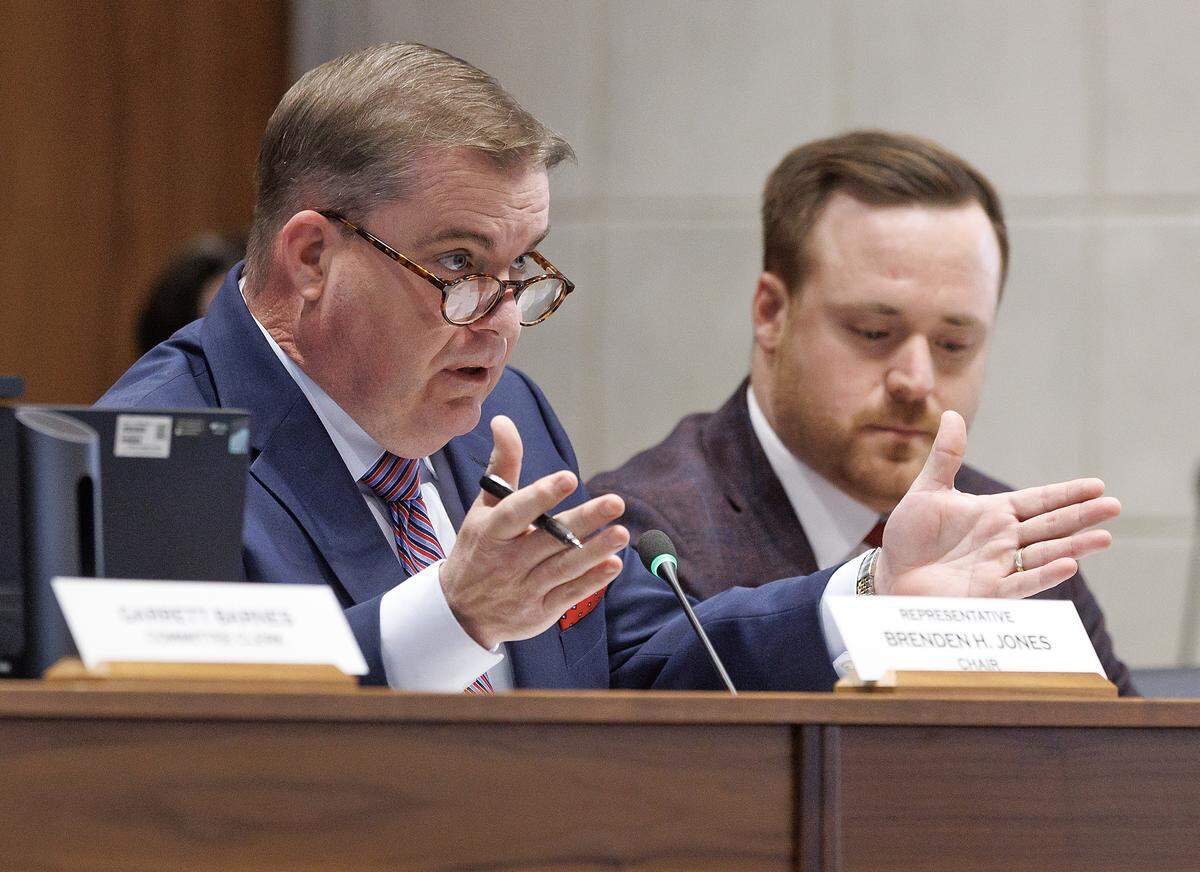
House Oversight, the committee targeting the Charlotte-area leaders on Monday, is the House arm of Gov Ops, a commission controlled by Republicans. The chairs of House Oversight are three Republicans — Reps. Jake Johnson, Brenden Jones and Harry Warren. Jones has presided the most during contentious exchanges.
Gov Ops is the Joint Legislative Commission on Governmental Operations, chaired by Senate leader Phil Berger and House Speaker Destin Hall, the two most powerful state lawmakers in North Carolina. Gov Ops has an online tipline so the commission can look into waste, fraud, abuse and mismanagement. There are staff for both the majority and minority parties, though the majority party, Republicans, control what rises to the level of a hearing.
Gov Ops was created in 2021 and replaced the nonpartisan Program Evaluation Division.
In the 2023 state budget, Gov Ops was given more power and defined its job as to “study the efficiency, economy, and effectiveness of any State agency, public authority, unit of local government, or non-State entity receiving public funds.”
It also evaluates implementation of policy, as well as investigating possible “misfeasance, malfeasance, nonfeasance, mismanagement, waste, abuse, or illegal conduct” at state agencies, local government or non-state entities that receive public funds. The law also allows Gov Ops members and staff to have access to buildings as part of its investigations. The penalties for not cooperating with an investigation include getting fired or facing criminal charges, The News & Observer previously reported.
These recent hearings have all been on the House side of Gov Ops, not the full commission.
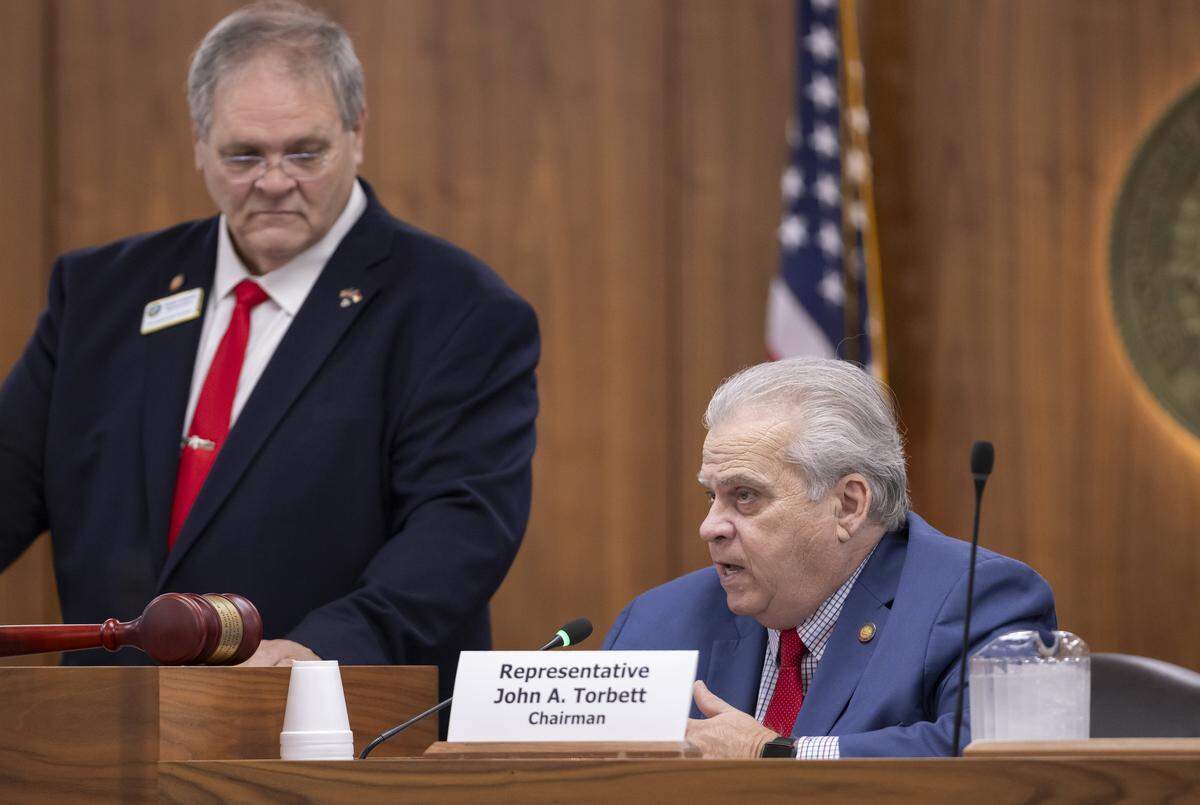
In 2025, a new House committee was formed based on the Trump administration’s Department of Government Efficiency, the agency briefly led by Elon Musk. The House Select Committee on Government Efficiency has less power than House Oversight, and there is not an equivalent Senate committee. It is chaired by Rep. Keith Kidwell, who also chairs House Finance, and Rep. John Torbett, who is also a budget chair.
Raleigh, Charlotte, UNC System, Asheville, Chapel Hill targeted
Here’s a rundown of what House Efficiency and House Oversight have targeted:
- On Feb. 9, House Oversight questioned Mecklenburg County Sheriff Garry McFadden about cooperation with U.S. Immigration & Customs Enforcement and public safety.
- In January, House Efficiency brought in Raleigh Mayor Janet Cowell and representatives from the UNC System and Asheville and Buncombe County to scrutinize cooperation with directives from the federal government cracking down on diversity, equity and inclusion programs.
- In December 2025, House Oversight brought in education leaders from Chapel Hill-Carrboro schools to question them about compliance with the Parents’ Bill of Rights state law.
Neither committee discussed any pending legislation, as the General Assembly has not held voting sessions for months. The legislature has not officially adjourned its 2025 long session amid a months-long budget stalemate, so has been holding committee hearings and monthly procedural sessions until the new legislative session begins in April.
That April short session, aside from a budget deal, could include bills that target any of the local governments or groups who have been subjects of Oversight and Efficiency hearings. That could range from changing the law to require or add penalties to previous legislation, to cutting or increasing funding.
This story was originally published February 9, 2026 at 3:07 PM.