
‘It took 50 years.’ Tuscarora tribe recognition takes a step forward in NC
AI-generated summary reviewed by our newsroom.
- North Carolina House committee voted 6-2 to approve proposal for Tuscarora recognition.
- House Bill 600 grants a recognized governing body and rights under state law.
- The Commission of Indian Affairs denied recognition, calling them a Lumbee splinter.
Kaya Littleturtle’s cousin, the late Chief Howard Brooks, stood in front of the North Carolina General Assembly in the 1970s. He had marched from Robeson County to Raleigh to advocate for the Tuscarora tribe’s rights.
Years later, Tribal Council Co-Chair Littleturtle made the same appeal before a state House committee on Native American affairs Tuesday, urging lawmakers to recognize the Tuscarora. Within the hour, the committee voted 6-2 to approve a proposal to grant the tribe official state recognition and add a Tuscarora representative to the North Carolina American Indian Heritage Commission.
“It took 50 years to get through the doors to speak, [Brooks] stood outside the doors,” Littleturtle told The News & Observer.
During the hearing, tribal members stepped up to the podium to recount the Tuscarora’s centuries-long history in North Carolina. They spoke about the tribe’s presence since the 1600s, its agricultural economy across the Roanoke, Chowan, Tar, Neuse, Pamlico and Cape Fear river regions, its resistance to English encroachment on their lands and its support of colonists in various wars. Many noted the state’s Commission of Indian Affairs had previously told them the legislature was the only path to state recognition.
The Tuscarora tribe spans across New York, North Carolina and Ontario, Canada. In North Carolina the tribe has an estimated 500 to 900 members across seven traditional clans, centered on Robeson County. Tribal members have been fighting state recognition for decades.
The Commission of Indian Affairs denied the tribe’s petition for recognition in 2019, calling it a “splinter group” of the Lumbee Tribe. The same language was used again Tuesday, when a representative from the commission argued against recognition.
Elk Richardson of the commission said Tuscarora members have been traced back to the same genealogies as the Lumbee tribe, and many have been enrolled as members of the Lumbee tribe, which is why the commission originally denied them recognition.
Tribal Council Co-Chair David Rahahę-tih Webb said at the hearing the tribe is only seeking a reaffirmation that it already exists through historical treaties, state records and prior federal actions. He said the North Carolina Tuscaroras were among the earliest tribes to petition the federal government under the Indian Reorganization Act.
“You may have seen some of our elders crying because they’ve been fighting for this for generations,” he told The N&O.
Republican Rep. Ed Goodwin of Chowan County, a longtime supporter of the Tuscarora tribe, has regularly filed bills seeking to recognize the tribe every session since he was first elected in 2018, but none have made it to a vote. He has said legislative leaders did not provide an explanation for why the recognition had been blocked.
“In all my life, as a little boy, I’ve been around Tuscarora Indians. I’m not an Indian, but they worked a ton with us. They worked hard to fish with us,” Goodwin said at the hearing Tuesday. “I’m a firm believer when somebody has been wronged it has to be right.”
Goodwin’s proposed House Bill 600 says the tribe can have a recognized governing body and the rights and immunities of a recognized tribe under state law. They would have two representatives on the Commission of Indian Affairs and one on the American Indian Heritage Commission.
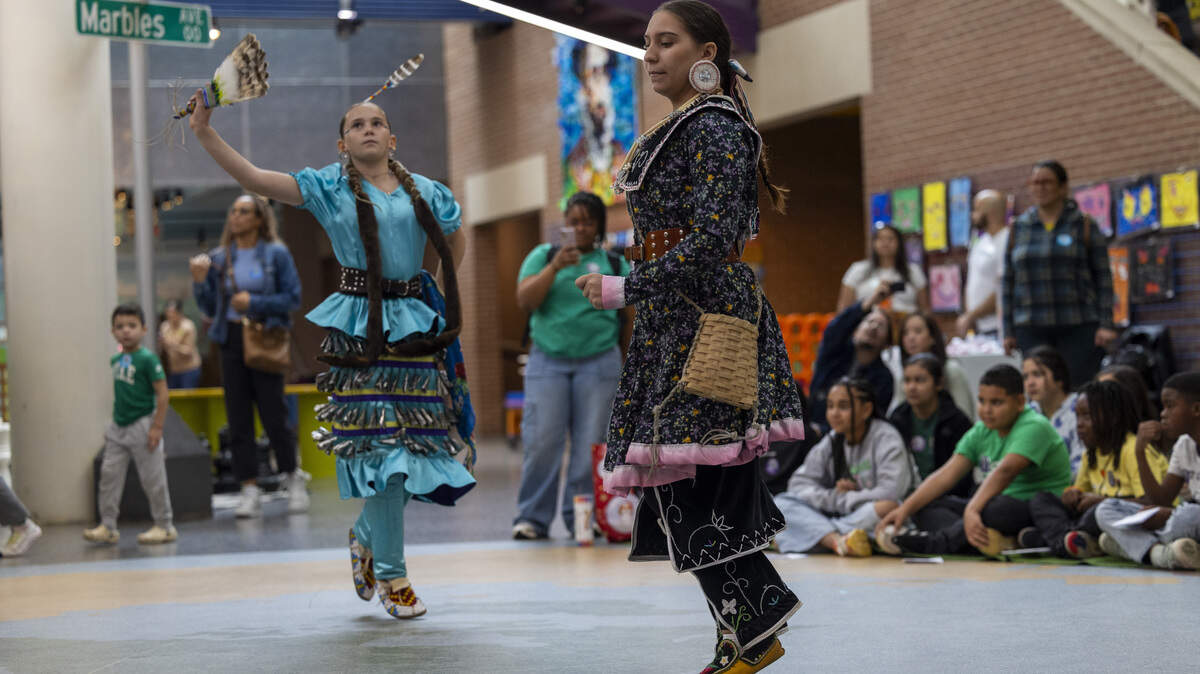
Without state recognition, members of the Tuscarora are not able to compete in powwows, enter art into exhibits, be eligible for scholarships or adorn high school seniors with feathers to wear at graduation, Tuscarora member Eudora Locklear said previously in a 2024 press conference.
“I would like to say, as an individual, and I really feel like I’m speaking for everyone here, all indigenous people here. We want to see good for all the tribes in the state and all of our people across the country and abroad,” Tuscarora tribe member Ethan Oxendine told representatives Tuesday.
North Carolina recognizes eight Native American tribes, including the Lumbee and Eastern Band of Cherokee Indians. The Lumbee unsuccessfully fought for full federal recognition for over a century, but last December Congress passed a bill that included full federal recognition for the tribe. The Eastern Band of Cherokee Indians have had full federal recognition for over 150 years.
The bill will now go to the Rules Committee to determine if the bill will go to the House floor for a full vote.