NC Republican lawmakers reach a breakthrough on hemp restrictions. Will they vote?
AI-generated summary reviewed by our newsroom.
- Lawmakers announced a breakthrough on hemp on a day of final budget votes.
- House Bill 328 — in its most recent form — would ban various hemp products if passed.
- A group from both chambers negotiated and reached a compromise.
Lawmakers are on track to put stricter hemp regulations on the books.
Legislation was added to the Senate calendar on Thursday, a day dominated by final votes on the state budget.
The bill would change the definition of hemp to make it more restrictive, as well as prohibit the use of hemp by those under 21.
It’s a type of legislation that follows after the two chambers disagree on an initial bill and appoint a small group of lawmakers to attempt to negotiate a compromise. That type of legislation cannot be amended on the floor.
Those bills, called conference reports, can be voted on the same day they are unveiled.
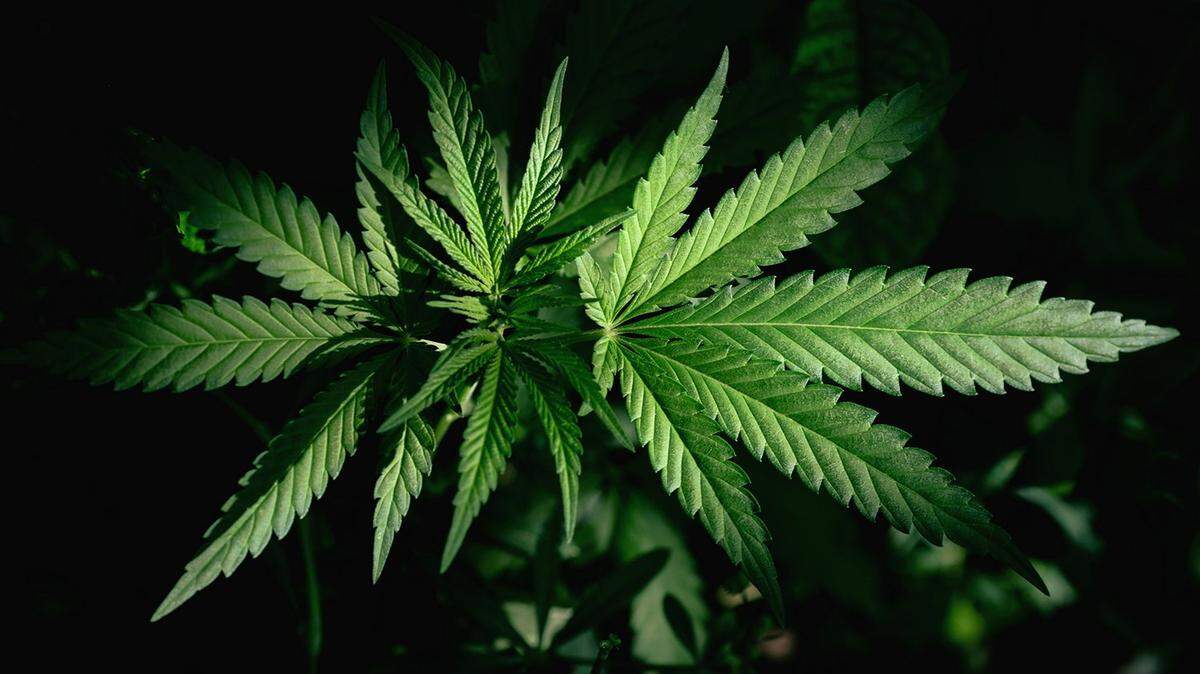
The move comes after years of attempts to regulate hemp products, which are derived from the cannabis plant. Unlike marijuana, hemp is legal under both federal and state law. There are no age limits under state or federal law for buying or using hemp products.
While both chambers have long sought to restrict youth access to hemp products, negotiations have stalled over differences between the House and Senate on what other hemp regulations should look like.
The sections related to the change in the definition of hemp would be effective Nov. 12, if passed into law. The age restriction would be effective July 15.
Hemp legislation
This year’s breakthrough comes through House Bill 328, which would ban the sale of hemp to those under 21.
The bill also redefines hemp to match a new federal definition — which goes into effect Nov. 12 — that is based on total THC levels.
THC is the psychoactive component — or cannabinoid — in the cannabis plant. What makes marijuana illegal and hemp not is the levels of delta-9 THC, which provides the classic “high.”
Hemp must contain 0.3% or less of Delta-9 THC by dry weight under federal law’s current definition. But there are several other types of THC, such as delta-8 THC.
Not distinguishing between THC types for the 0.3% threshold would “effectively wipe out the state’s hemp industry overnight,” said Chris Karazin, CEO of the North Carolina–based hemp retailer and manufacturer Carolindica.
Other products that “are very well known and very popular, and very valuable to the consumers of the states, are being kind of shelved aside,” he told The News & Observer on Wednesday.
He said on Wednesday he had heard via organizations that advocate for hemp that the bill could be voted on this week.
Passage of this bill is “pretty much the nightmare for us, all our consumers, employees, all 20,000 plus people who are directly in this industry,” he said.
The White House budget office last week sent a letter calling for the federal hemp changes to be delayed.
The legislation would ban synthetic kratom products and restrict the use of regular kratom products to those 21 and over. It would also make xylazine a Schedule III controlled substance.
Back and forth on the bill
In its original form, HB 328 would have required public schools to adopt policies prohibiting hemp-derived consumable products in school buildings, on school grounds and at school-sponsored events. It also would have expanded the state’s definition of tobacco products to include vapor products, making them subject to existing laws restricting tobacco use in schools.
Last June, the Senate rewrote the bill, expanding it into a measure that would have effectively banned most hemp products currently on the market by allowing only hemp products containing very small amounts of delta-9 THC. The House rejected those changes on April 21, the first day back in this year’s short session.
On June 23, the Senate and House appointed a small group of lawmakers to attempt to negotiate a compromise: Reps. Reece Pyrtle, Brenden Jones, Neal Jackson and Donnie Loftis, and Sens. Bill Rabon, Michael Lee and Tom McInnis. And a compromise was reached.
Rabon, a Republican, has filed legislation in multiple sessions — though not this year — to legalize medical marijuana. Those efforts have failed despite Rabon’s leadership role as chairman of the Senate Rules Committee.