
This invasive plant can burn your face. Here’s what to do if you stumble upon it
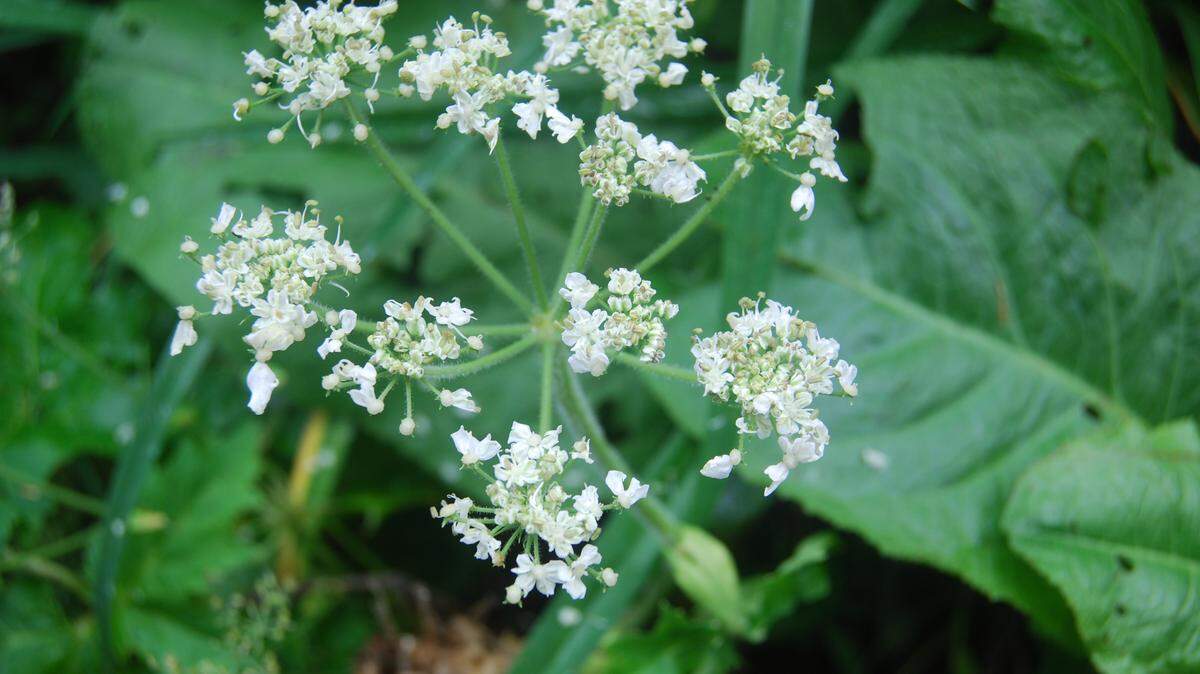
Virginia Tech has released a list of do’s and don’ts in case the invasive giant hogweed plant that can burn your face starts sprouting and spreading in your yard.
Scientists first confirmed the plant’s presence in Virginia in June, at a home in Clarke County, according to the university’s new giant hogweed guide.
The plant has surfaced in at least one North Carolina county, Caldwell, in 2016, The Charlotte Observer reported in June, citing a giant hogweed fact sheet produced by the NC Invasive Plant Council.
The 15-foot-tall herb ”topped with fluffy white flowers” can cause blindness, the Observer reported.
In sunlight, the hogweed’s sap can cause “severe burning and blistering,” according to the Virginia Tech guide.
Alex Childress, a 17-year-old from the Fredericksburg, Virginia, area, told WWBT that he thought he had a bad sunburn after one of the weeds fell against his face and arm when he tried to chop it down.
“I got in the shower and my face started peeling ... I had third-degree burns on my face and arms ... Don’t go anywhere near it,” he told WWBT.
If the hogweed’s sap gets on your skin, Virginia Tech’s guide says to “immediately get out of the sun, wash with soap and water, and if a reaction begins to occur, seek immediate medical attention.”
Homeowners should leave the task of removing the weed to trained professionals, the guide recommends. Those professionals have the protective clothing and eye wear needed when ridding a yard of the weed, for instance, the guide says. They also know how best to apply herbicide and how many times, according to the guide.
This story was originally published August 2, 2018 at 7:58 PM with the headline "This invasive plant can burn your face. Here’s what to do if you stumble upon it."