Minuscule eggs found at the Outer Banks stump wildlife experts. What are they?
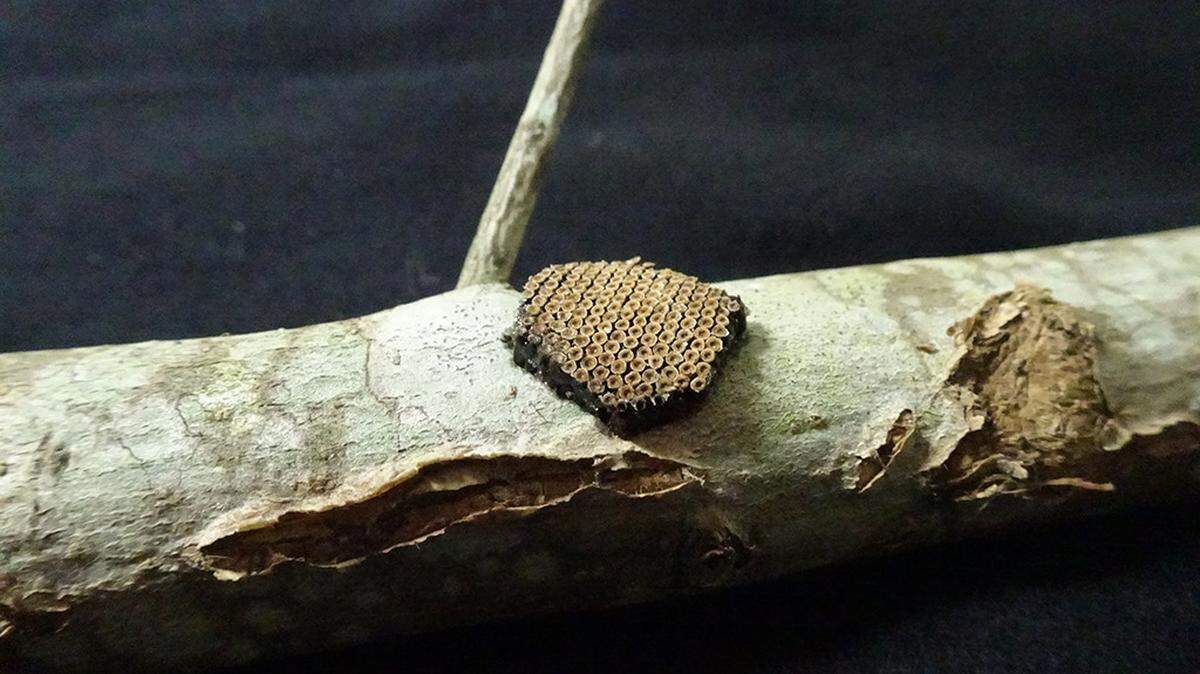
Rangers with the National Park Service at the Outer Banks were clearing trails when they stumbled upon what looked like honey comb clinging to the side of a tree branch.
They were actually eggs.
Now Cape Lookout National Seashore wants to know where they came from.
“We were doing some trail clearing and didn’t notice the eggs until after we had trimmed the branch — we will return them to the holly tree (tie the cut branch onto another branch on the tree) to let them hatch, but were wondering just what they were,” officials asked in a Facebook post Tuesday.
It was a questioned posed to entomologists, but about 60 people weighed in with the comments.
“There are so many bugs on the island already, get rid of them!” one person said.
Others suggested it might be a wasp, a Praying Mantis, fall cankerworms or aliens.
But the overwhelming consensus? An assassin bug, namely the so-called “wheel bug.”
Assassin bugs are aptly named. According to InsectIndentification.org, they live in shrubs, on the ground and in gardens where they can best hunt for prey — other insects.
“The strong beak found on assassin bugs is used to repeatedly, and violently, stab its prey to death, hence the name ‘assassin,’” the website states.
Wheel bugs — named for the wheel shape on their thorax — are North Carolina’s largest assassin bug, according to N.C. State University. They hunt prey by injecting “a toxin that kills it within 30 seconds.”
“Most of their prey are pest insects so they are considered beneficial to farmers and gardeners,” the university said. “They move slowly and are clumsy fliers. Their bite has been described as being more painful than a wasp sting so they should be admired but not handled.”
One Facebook user agreed.
“Wheel bug bit me last year,” he wrote. “Hurt worse than a hornet.”