Two NC cities among best places to live in US, rankings show. They might surprise you
The rankings are in for Money’s “50 Best Places to Live” in 2020 — and neither of North Carolina’s largest metros made the cut.
They were, however, upstaged by two other places: Morrisville in the Research Triangle and Concord, home to the Charlotte Motor Speedway.
Morrisville and Concord ranked in the No. 10 and No. 24 spots, respectively.
No. 10: Morrisville
Its close proximity to Raleigh, Durham and Chapel Hill and, by extension, N.C. State, Duke and UNC, made Morrisville an attractive — if not unexpected — candidate for Money’s Best Places to Live, according to the report.
Morrisville, which is in Wake County, is about 20 minutes from downtown Raleigh.
In the last 20 years, the town’s population has “ballooned from 5,200 to 26,000, due in part to the arrival of biotech companies like FujiFilm Diosynth and Clinipace,” Money reported.
Its median household income of $103,000 is about double the statewide average and the local schools are nationally ranked, according to the report.
Money also pointed to Morrisville’s “diverse international community” that comes from “being at the center of a technology and academic crossroads.”
“In 2018, nearly one-fourth of new Wake County residents came from other countries,” the report states. “As a result, dozens of world cuisines are represented in restaurants around town: from Guasaca, which specializes in South American stuffed arepas, to C&T Wok, which offers familiar Chinese-American fare alongside authentic Szechuan dishes like pickled chicken feet.”
No. 28: Concord
About 30 minutes northeast of Uptown Charlotte on I-85 sits Concord, a city of just under 100,000 people, according to the latest U.S. Census records.
It’s also the “real home of the Charlotte Motor Speedway” — an 84,000-seat complex that Money points out also hosts drive-in movie nights using a 16,000-square-foot high-definition television.
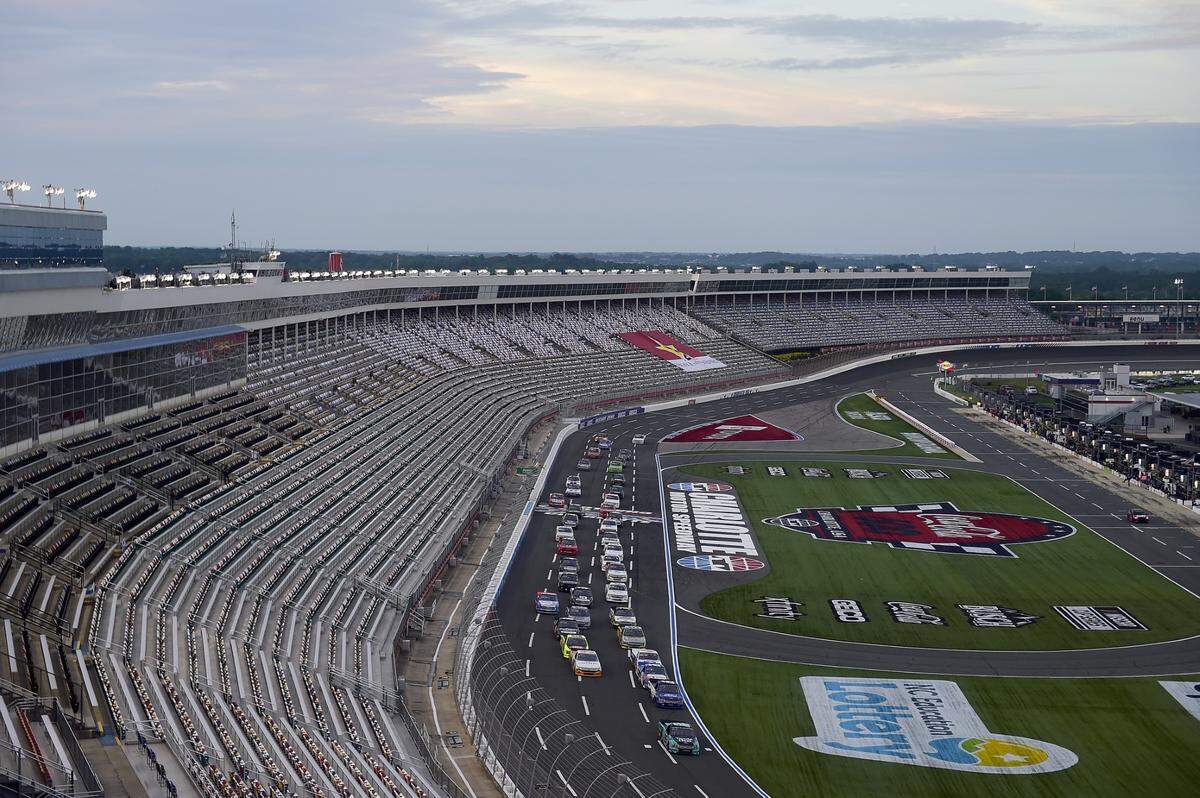
Concord’s employment rate has leaped 33% since 2010, and its job market is rebounding faster than others during the pandemic, Money reported. The median home price of $226,000 is also “more affordable than popular North Carolina destination Raleigh,” where houses reportedly cost closer to $300,000.
“Meanwhile, Concord’s historic downtown features a museum, a library, a French chocolate shop, a pottery studio and a botanical garden,” according to the report.
It also boasts an “eclectic” courthouse built in 1876 that now belongs on the National Register of Historic Places.
The courthouse has a 227-seat theater, art galleries and a history museum, Money reported.
How the rankings work
Money’s rankings were based on a list of 1,890 locations with populations of at least 25,000. Cities and towns with “more than double the national crime risk, a median income level lower than 85% of its state’s median, or little to no ethnic diversity” were automatically excluded.
Reporters at Money then dug into the local economy, cost of living, diversity, public education, health and safety, weather, lifestyle and amenities of a given location — with a particular emphasis on the economic factors.
They also researched towns and cities separate from the statistics to make sure “other negative factors weren’t at play.”
Unemployment and lack of affordable housing as a result of the coronavirus pandemic were considered red flags, as were locations that lacked racial diversity or weren’t “well-integrated.”
Only one location per county and two places per state were allowed into the final ranking.
This story was originally published September 24, 2020 at 4:01 PM.