
NC’s driest November in 90 years expands drought conditions, heightens fire risk
After one of the driest Novembers in North Carolina history, drought is quickly expanding and growing worse across the state, according to the N.C. State Climate Office.
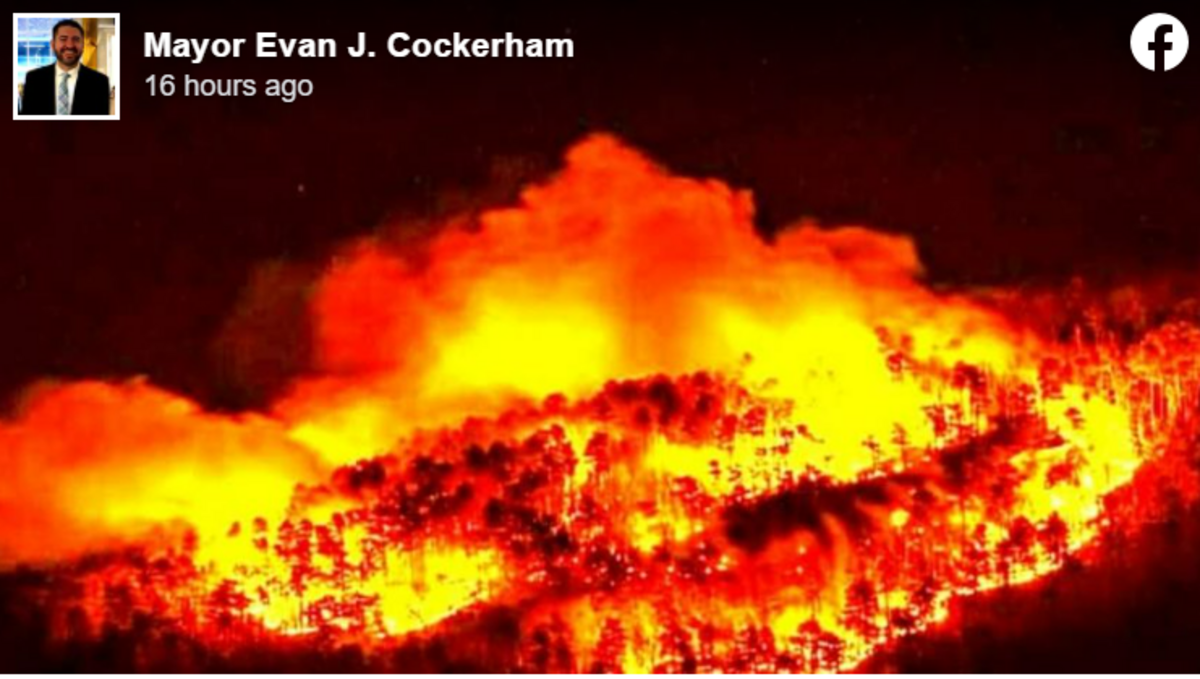
That means conditions that are conducive to wildfires, like the one that has burned more than 1,000 acres on and around Pilot Mountain, are also spreading. The State Climate Office reported Thursday that forest fire risk was very high east of Interstate 95 and high in the rest of the state.
Corey Davis, North Carolina’s assistant state climatologist, said, “Fire is almost a symptom of drought more than anything. Any time you start to get the landscape drying out, things will burn more easily.”
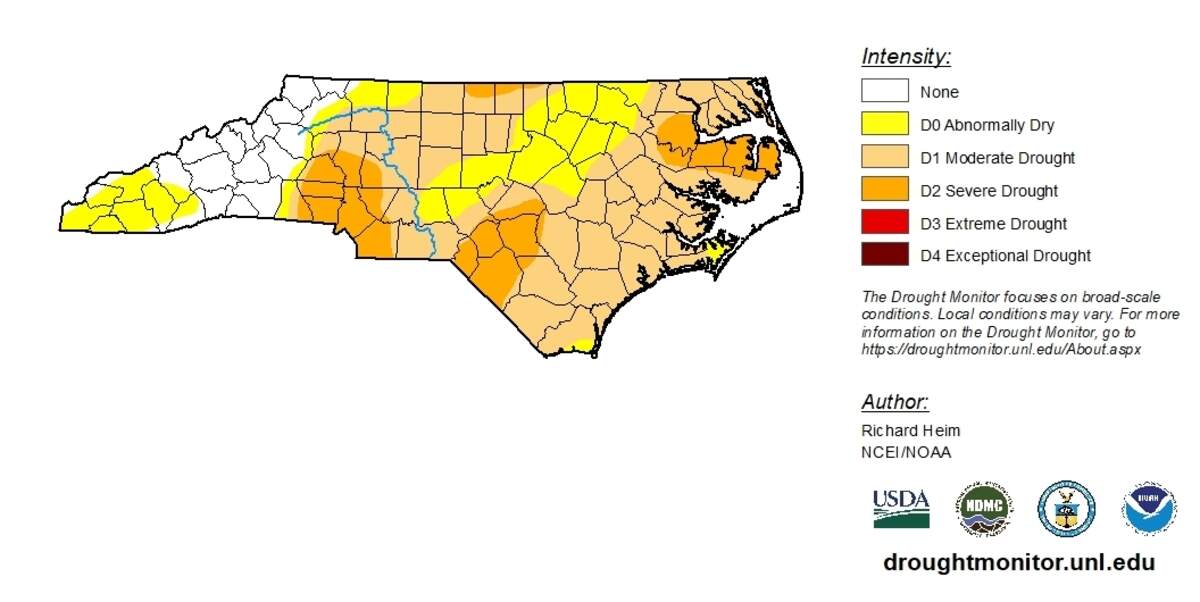
The statewide average precipitation of 0.76 inches meant that last month was North Carolina’s third-driest November on record and the driest since 1931, Davis wrote in a blog post Thursday. A drought monitor map released Thursday showed that nearly 65% of North Carolina is in drought, with severe drought beginning to develop in the Piedmont, around Robeson County and in the state’s northeastern corner.
Most of the state last saw significant rain on Nov. 12 or 13, Davis said. Coupled with the driest fall since 2001, drought conditions expanded across the state in November.
“This is the type of dry November and dry fall that most people in North Carolina have not seen in their lifetime,” Davis said.
It is likely, Davis added, that the drought will worsen over the winter due to La Niña conditions. While water usage tends to decrease in the winter, Davis said that dry conditions continuing into the spring could lead to another dangerous fire season and possibly diminished water reservoirs.
The N.C. Climate Science Report, released in September 2020, linked warmer temperatures with a higher likelihood of drought. Hotter temperatures would cause soils to dry out faster, the report said, making it “likely” that conditions for wildfires will become more common.
“The conditions most conducive to drying of the surface are deficient precipitation over a period of weeks or months, high temperatures, low atmospheric water vapor content, sunny days, and high winds,” according to the 2020 report.
Recent falls have been extreme. In 2018 and last year, tropical storms brought significant rainfall to the state. In 2016 and this year, dry conditions, especially in Western North Carolina, led to high-profile wildfires.
Extremes are indicative of a changing climate, Davis said, with a warmer, wetter atmosphere causing downpours to become more frequent even as the time between rain can lengthen. In 2021, for instance, a wet winter gave way to a dry spring that gave way to a wet summer and now to a historically dry fall.
“These very abrupt transitions from wet to dry are what we’re seeing now,” Davis said.
November saw 799 forest fires on state or private lands across North Carolina, according to the Forest Service, more than doubling the average of the 10 previous years.
Earlier this week, the N.C. Forest Service issued a burn ban and canceled all burn permits, citing dry and windy conditions that could cause flames to spread quickly.
Preliminary Forest Service reports showed that 64 forest fires burned across North Carolina on Wednesday, impacting 234.4 acres of land. The Forest Service reported that the Pilot Mountain fire was started by a campfire that someone left unattended. After destroying more than 1,000 acres, the fire was 80% controlled as of Thursday.
“In a normal fall that (campfire) probably wouldn’t be a big deal,” Davis said. ”The ground would be wet enough that eventually the smoldering would stop or a rain event would come through that would extinguish that fire.”
This story was produced with financial support from 1Earth Fund, in partnership with Journalism Funding Partners, as part of an independent journalism fellowship program. The N&O maintains full editorial control of the work.
This story was originally published December 2, 2021 at 1:56 PM.