
As NC’s bird flu outbreak grows, so does concern for poultry industry
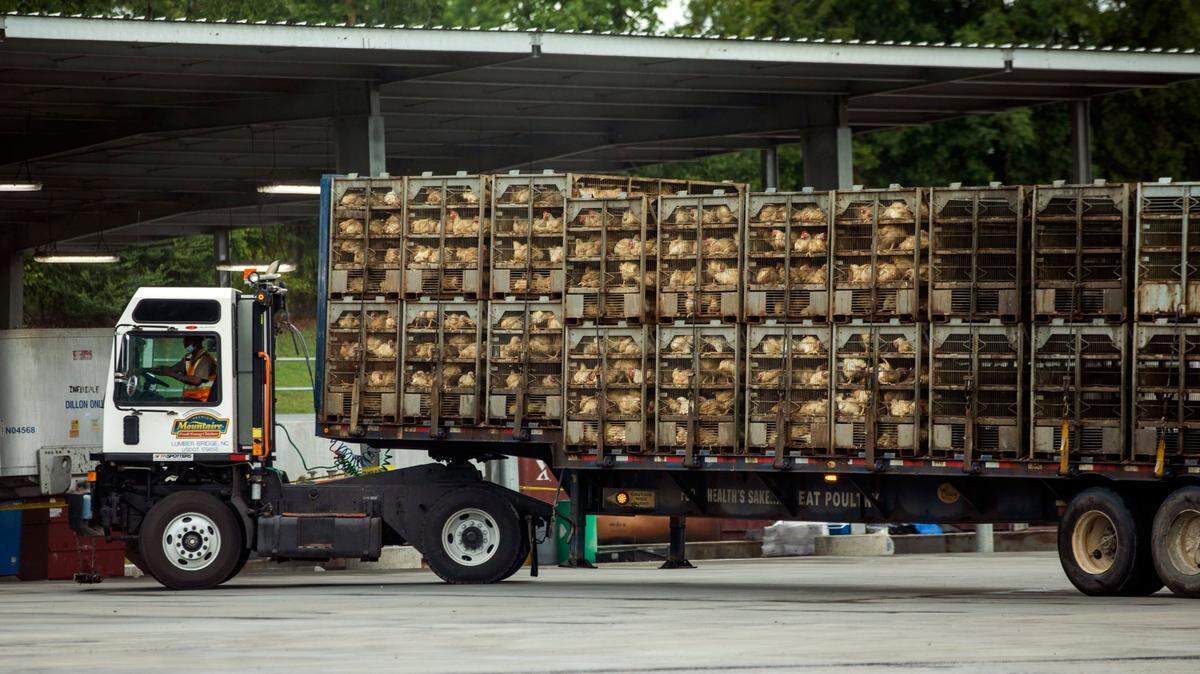
An outbreak of a highly infectious avian flu is growing among wild birds in North Carolina and nearby states, raising alarm that the virus could reach the state’s vast poultry industry.
Recent data from the North Carolina Department of Agriculture and Consumer Services shows that 65 cases of the virus strain – called highly pathogenic avian influenza – have been reported in North Carolina. Only one case had been reported in the state on Jan. 18 by the United States Department of Agriculture.
So far, the virus has only been found in the state’s wild bird population. But there’s growing concern about this highly contagious bird flu, not reported in the United States since 2017, among regulators and the poultry industry.
“This current strain, this highly pathogenic strain, is a very big deal if it gets into domestic poultry,” said Joe Fuller, wildlife biologist with the North Carolina Wildlife Resources Commission. “It has the potential to cause extreme mortality.”
Officials from the state Department of Agriculture said that large commercial poultry farms have implemented a strict no-entry policy in an effort to keep the virus out of their barns. But anyone who keeps chickens should be on alert, they said.
“You need to keep your birds indoors right now,” said Heather Overton, spokeswoman for the state agriculture department. “The whole state is vulnerable. It’s still greatly concerning.”
Infected birds have been detected in Beaufort, Bladen, Hyde and Pamlico counties in North Carolina, and also in Florida, Maryland, South Carolina and Virginia, according to the USDA.
It’s not uncommon for avian flu to be detected in wild birds because such viruses circulate freely in those populations and often don’t cause symptoms, the USDA says. But the virus is especially dangerous to domestic poultry, particularly chickens.
An outbreak of avian flu in 15 states in 2014 and 2015 resulted in more than 50 million chickens either dying from the virus or being killed to prevent further spread, according to the USDA. At least two cases were found in Tennessee in 2017.
A less contagious bird flu was detected in wild birds in both North Carolina and South Carolina in 2020, according to both the state and federal departments of agriculture. But the USDA said it has no record of the more infectious variant appearing in North Carolina.
Transmission of the virus from birds to humans is uncommon, but not unheard of, according to the Centers for Disease Control and Prevention. People in close contact with infected birds can contract the virus, with symptoms similar to the seasonal flu or COVID-19.
Poultry farm concerns
But the big concern here is for commercial chickens and turkeys. North Carolina poultry producers are taking additional measures to try and prevent the virus from reaching their birds, said NC State University virologist Matt Koci.
“They are ratcheting up bio-security and surveillance to keep it out of our poultry if at all possible, or at least detect it as quickly as possible so we can contain it if it does infect one of our flocks,” Koci said.
Poultry has become North Carolina’s largest agricultural commodity, meaning if the virus reaches chickens and turkeys here it could have an outsized impact.
In 2019, North Carolina farmers raised 916 million broilers – chickens bred for meat – according to the N.C. Department of Agriculture and Consumer Services. Broilers accounted for $3.6 billion in cash receipts for farmers.
Also in 2019, the egg industry accounted for more than $451 million in income to farmers, who produced some 3.8 billion eggs, the department said.
The outbreak has already prompted action in the state, including closing the North Carolina Zoo aviary to the public.
Everyone who raises poultry needs to do everything they can to minimize the risk to their birds, Koci said. This virus “is no joke. It can kill 60 to 100 percent of the birds in your flock in a few days and there are no vaccines for it in the U.S.
“For better or worse, bio-security is the only prevention method we have, and eradicating whole flocks if one bird is positive is the only tool we have to control it if bio-security doesn’t work.”
Signs of bird flu include a lack of energy and appetite, decreased egg production, swelling on the head or comb, and sudden death.
The state is asking anyone who suspects a case of avian flu to contact their veterinarian and the North Carolina State Veterinary Office, which can be reached at 919-707-3250.
Charlotte Observer reporter Gavin Off contributed to this report.
This story was originally published February 9, 2022 at 6:00 AM with the headline "As NC’s bird flu outbreak grows, so does concern for poultry industry."