
Duke Energy battling solar power company over right to provide energy at Fort Bragg
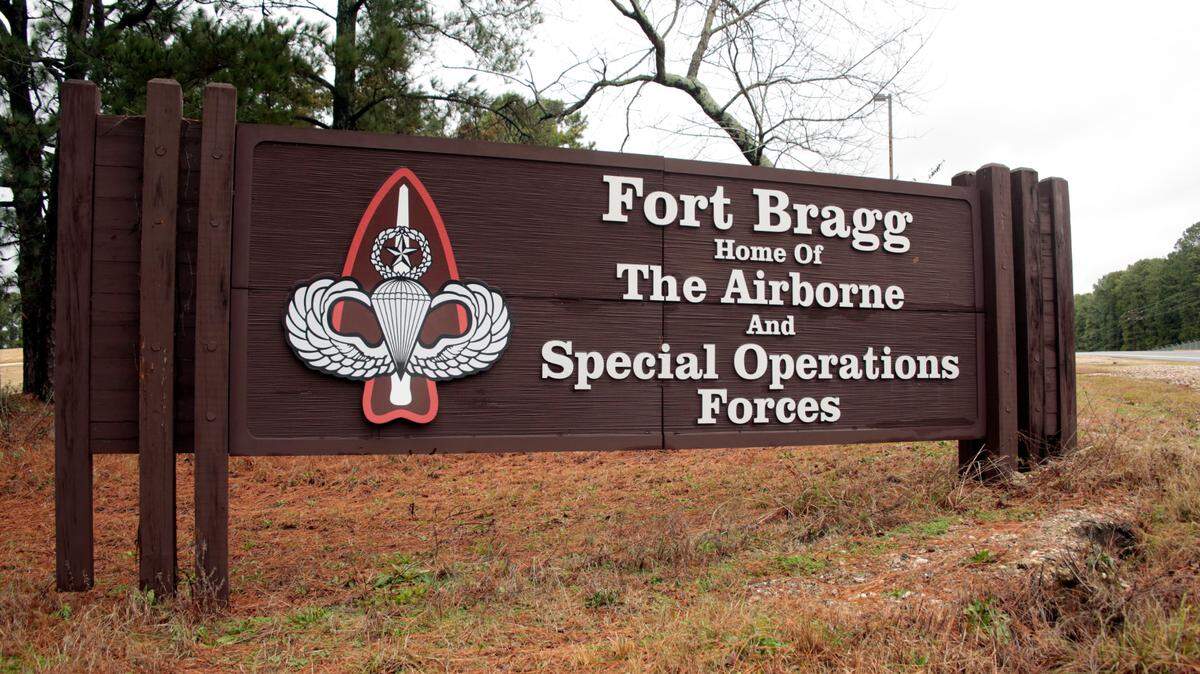
Duke Energy and a New York-based solar company are locked in a dispute over whether the company should be allowed to build a solar farm to provide power to on-base housing at Fort Bragg.
Sunstone Energy Development wants to build a solar farm that would provide energy to Bragg Communities LLC, which runs the privatized military housing on Fort Bragg. Duke argues that Fort Bragg is within its service area and that Sunstone would effectively be operating as a new utility.
At the heart of the matter is whether Fort Bragg’s status as a federal enclave means it is subject to the utility service areas defined by North Carolina state law. If it is, as Duke argues, the N.C. Utilities Commission would likely prevent Sunstone from moving forward. If it isn’t, Sunstone may be able to push ahead with the project.
Sunstone has asked the Utilities Commission to declare that it is not subject to North Carolina’s Public Utilities Act because the proposed project is on Fort Bragg and its electricity sales would be to the base’s private utility.
Building the project would allow Fort Bragg to cut its energy usage by up to 8.75%, according to Sunstone’s estimates.
Sunstone has reached agreements with the private providers of on-base housing at 11 other bases across the country. It has already completed projects on Aberdeen Proving Ground and Fort Meade in Maryland and Fort Riley in Kansas.
Duke argues that allowing the project to move ahead on Fort Bragg would effectively amount to an unregulated sale of electricity.
“We don’t believe that Sunstone has the legal right to act as an unregulated electric utility and profit from power sales to others, as they’ve proposed,” said Randy Wheeless, a Duke Energy spokesman.
In making its argument, Duke pointed to the Utilities Commission’s 2016 decision that a nonprofit organization’s sale of solar energy to a Greensboro church violated the state’s public utilities laws.
NC WARN, a climate watchdog group, installed the panels on Faith Community Church in 2015. But the commission ruled that the sale effectively made the group a utility and that it could not operate within Duke’s assigned service area.
Sunstone, Duke argues, is trying to accomplish the same thing by mounting solar panels around Fort Bragg’s residential area and selling the electricity to Bragg Communities.
If the Utilities Commission rules for Sunstone, Wheeless added, Duke will likely appeal.
“This would really be setting a precedent that somehow state utility commissions don’t have oversight within federal military bases. ... We think we have a solid argument of why utility law should take precedence here,” Wheeless said.
Sunstone declined to comment.
Duke, Wheeless noted, is working with Fort Bragg to build a floating solar plant that will provide 1.1 megawatts of power to the sprawling base.
Shelby Green, a research contributor at the Energy and Policy Institute, argues that Duke’s stance is inconsistent with the company’s statements that it wants to move toward a net-zero carbon future.
“They’re actively going against those concerns by blocking Sunstone’s attempt to actually efficiently reduce the energy consumption, and they’re jeopardizing the energy security and resilience in an effort to maintain their market share,” Green said.
Following oral arguments in November 2021, both Duke and Sunstone have filed proposed orders with the Utilities Commission.
In its proposed order, Sunstone noted that it believes the commission’s ruling would not serve as precedent in any situation other than on military bases.
If the commission rules for Sunstone, the solar project would still need to undergo a system impact study with Sandhills Utility Services, which operates the grid on Fort Bragg. That would be followed by an Army approval.
This story was produced with financial support from 1Earth Fund, in partnership with Journalism Funding Partners, as part of an independent journalism fellowship program. The N&O maintains full editorial control of the work.