
New funding will let cleanup begin at a North Carolina Superfund site. What we know.
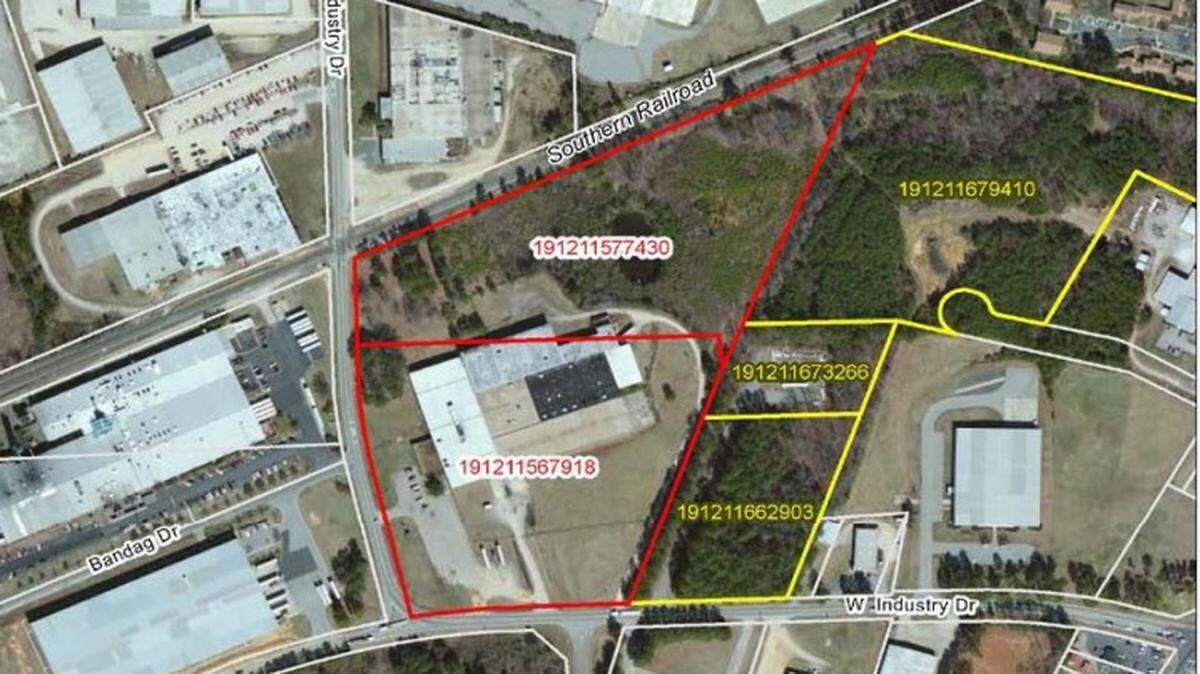
A former textile mill in Granville County is one of 22 Superfund sites where cleanup will move ahead, part of a $1 billion wave of funding the Environmental Protection Agency announced late Friday.
The 22-acre Oxford site housed a fabric mill where nylon acetate Tricot was knitted, dyed and finished between 1968 and 1986, according to the EPA. Dying yarn involved the use of metals like copper and chromium, while chlorinated solvents were also part of that process and others at the facility.
An investigation determined that groundwater and soil at the site are both contaminated, which resulted in its placement on the Superfund National Priorities List in 2013. Over time, that list developed a backlog as the environmental agency awaited funding.
“Cleaning up Superfund sites is a top priority for EPA. Thanks to the historic Bipartisan Infrastructure Law, we can clean up contaminated sites that threaten communities, breathe new life into these sites and turn them from a liability into community assets,” Daniel Blackman, the EPA regional administrator for North Carolina’s Region 4, said in a written statement.
Tetrachloroethene, also known as PCE, is the main contaminant at the Oxford site.
The EPA has classified the colorless, odorless chemical as a likely carcinogen, with studies linking its use in the workplace to bladder cancer, non-Hodgkin’s lymphoma and multiple myeloma. Chronic exposure can also result in impaired cognition and motor skills.
Groundwater samples at the site found a maximum PCE concentration of 13,000 parts per billion. North Carolina’s maximum contaminant level in groundwater is .7 parts per billion.
Historic soil samples at the site have also yielded PCE levels higher than those considered safe by North Carolina environmental officials.
A preferred cleanup plan for the site says about 11,500 cubic yards of contaminated soil needs to be excavated and moved to a landfill.
Soil beneath a chemical drum storage pad and groundwater running downhill into a half-acre lagoon on the site are also contaminated, with the most contaminated areas requiring the injection of chemicals that can destroy the pollutants. Environmental officials also recommended the injection of emulsified oil into the ground to create a “biobarrier” that would destroy contaminants.
Friday’s release says a 150,000-square-foot building and its foundation will be demolished because they contain asbestos. It says contaminated soil will be excavated and disposed of, while contaminated groundwater will be treated and prevented from moving elsewhere.
“Every person deserves to live in a community that is free from harmful pollutants, and this critical federal funding will help accelerate the EPA’s work and tackle toxic threats to public health and the environment,” U.S. Rep. Valerie Foushee, a Democrat who represents Oxford, said in a statement.
This story was produced with financial support from 1Earth Fund, in partnership with Journalism Funding Partners, as part of an independent journalism fellowship program. The N&O maintains full editorial control of the work.
This story was originally published February 10, 2023 at 6:43 PM.