Copperhead bite stories: We talked to 3 recent bite victims about their NC experiences
What’s it like to be bitten by a venomous snake? Hopefully, many of us will never find out. But Triangle hospitals are beginning to treat more snake bite patients as our summer temperatures stretch into the 90s. It can be a painful — and expensive — situation.
“The numbers increase as the weather gets warmer, especially when it’s hot and more of us work or play in the yard early in the morning or in the evening — when snakes get more active too,” said Alan Wolf, communications director for UNC Health.
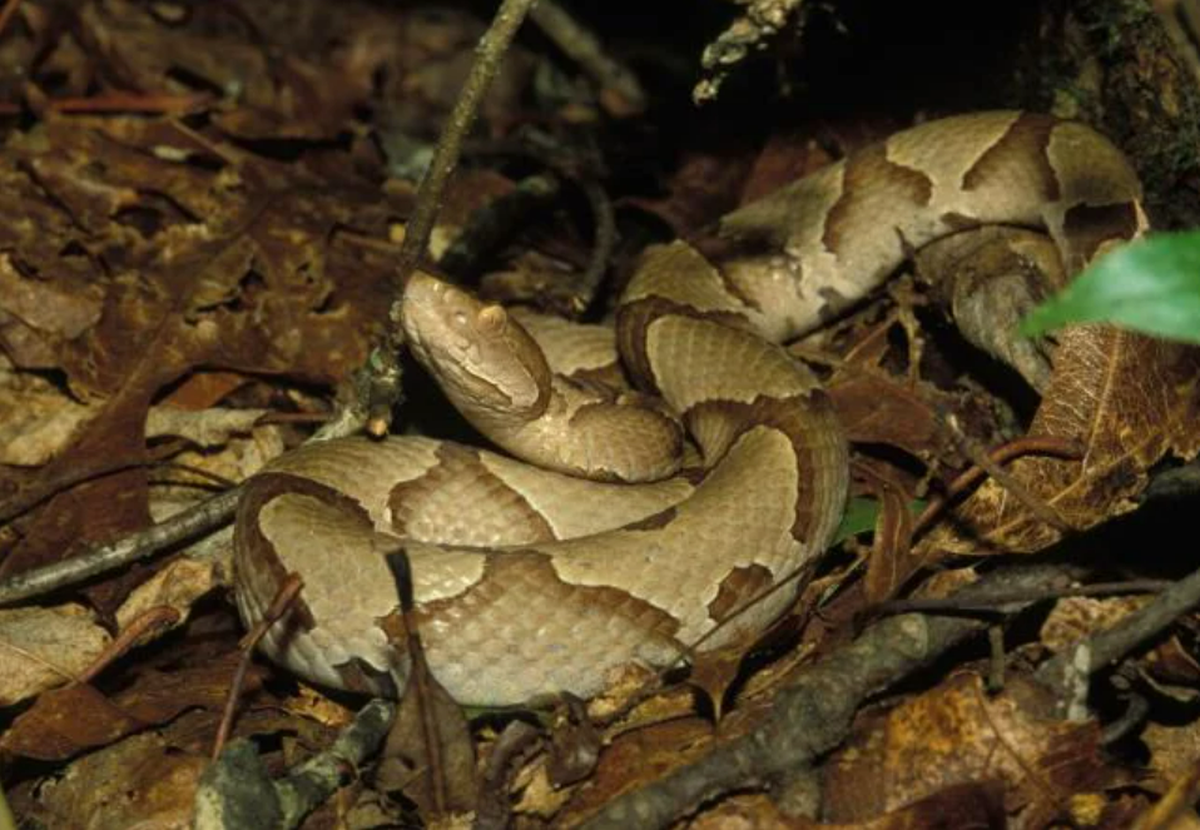
The copperhead is the most common venomous snake in our region, and most envenomated patients receive antivenom as part of their care. Copperhead bites are very rarely fatal, but without quick and proper treatment, bite victims could lose a digit or even a limb.
Plus, the bites can come with “impressively severe pain,” Dr. Ben German, emergency physician and snake expert with WakeMed, has told The News & Observer before. Bite treatment in a hospital can also come with strong pain medication, plus overnight stays and lab work to properly monitor the patient’s recovery.
The full treatment can come with a hefty bill, but the out-of-pocket amounts can vary widely from patient to patient.
The N&O connected with three recent copperhead bite victims to learn about their bites, hospital stays, total bills and out-of-pocket required costs with their specific insurance. The victims all live in the Triangle and range in age, showing how care can look different for each person’s unique medical history and bite.
Case 1: Heart condition could make snake bite fatal without antivenom, doctors said
Roger Scott of Cary
Bite: Copperhead bite on his left index finger while doing yard work last summer.
Age: 67 at time of bite.
Antivenom received: Seven vials over two days.
Hospital stay: Three nights at WakeMed Cary hospital.
Other treatment: Anticoagulant injections. Doctors told Scott and his wife, Sandra, that the bite could be fatal without this full treatment. Scott has a heart condition and previously suffered “two bad heart attacks,” Sandra Scott told The N&O. The antivenom and injections helped Scott make a full recovery.
Total cost: Unknown. Before treatment, doctors told them each vial of antivenom would cost $7,000. They did not know the cost of the anticoagulant injections nor the hospital stay.
Out of pocket cost: $0 with Sandra Scott’s CHAMPVA insurance, which her family receives with her veteran status. They never even received a bill, Sandra Scott said.
“They told me it’s $7,000 a vial, and that’s just ridiculous. It’s like people who need insulin and need to pay hundreds of dollars, that’s just not right. But it’s necessary, even with that cost,” Sandra Scott said.
Case 2: Young girl’s double copperhead bite didn’t require antivenom
Ellie Brown of Chapel Hill
Bite: Two copperhead bites on her ankle on the Fourth of July while visiting family in rural Georgia. The bites happened in succession on a manicured lawn in a well-kept subdivision while they were waiting for fireworks. She’s not sure if she stepped on the snake, her father Joe Brown told The N&O.
Age: 10 at the time of bite.
Antivenom received: None. The family went to the only emergency room in that town, and doctors told them they see snake bites all the time and have to ration their antivenom for exceptionally bad bites. Doctors eventually determined she did not need antivenom.
Hospital stay: She did not stay overnight.
Other treatment: Fentanyl for the pain in Georgia. She visited her pediatrician back home later that week for another evaluation when the bite became infected, which “required her to take some gnarly long-term antibiotics when she got back to Chapel Hill,” Joe Brown said. She was on crutches for three weeks and eventually made a full recovery.
Total cost: Unknown. ”We have been scouring our records but don’t see actual cost figures,” he said, noting also the Georgia ER visit was both out of state and out of network.
Out of pocket cost: $3,500 between the ER treatment in Georgia and follow-up visits in Chapel Hill, Brown said.
“We have this gold-plated health insurance through UNC, it’s a very good plan. I think part of what we paid was the deductible and I think there was partly out of network stuff we had to cover. There were also co-pays for the follow up visit at our regular pediatrician back here in Chapel Hill,” Brown said. (He’s a professor at UNC-Chapel Hill.)
“We probably got the basic level of service at the hospital in Georgia. They’re a rural hospital, and they were like ‘we see snake bites all the time.’ Maybe what we got there was possibly designed to be less costly because I assume a lot of their patients are unable to pay full freight for things.”
Case 3: Snake bite on finger almost required a full hand amputation, doctors said
Megan Eberle of Raleigh
Bite: Copperhead bite on her left ring finger while distractedly talking on the phone and picking up after her dog in a “viney area,” she said. She never saw the snake, but doctors quickly confirmed it was a copperhead.
Age: 30 at the time of bite.
Antivenom received: Four vials. Doctors told her the swelling was so severe that it might result in total hand amputation, so hospital staff triple-checked she had insurance before administering the antivenom. She was told it “could be something like $25,000 per vial,” but the situation was dire: Doctors considered amputating her hand from the extreme swelling. “My hand was so swollen I couldn’t bend anything, it was almost about to burst,” she said. But the antivenom worked just as intended, and today “it’s like nothing happened.” She doesn’t even have a scar.
Hospital stay: One night at the WakeMed Raleigh Campus hospital.
Other treatment: Morphine, fentanyl and other hospital services.
Total cost: $89,104.65
Out of pocket cost: Eberle is responsible for $8,111.79 with her Blue Cross Blue Shield insurance. She is paying off the bill through 2028 with a bank loan. She works for a medical company and received a credit for $1,500 toward ER care, which she used to pay down the out-of-pocket bill.
“They said ‘Do you have insurance? We have to make sure you have insurance before we give you anything, because this could be detrimental financially.’ They double- and triple-checked I had insurance so that I wasn’t going to be paying for this for the rest of my life or generationally be in debt,” Eberle said.
“They did a good job of making me aware of how expensive it was going to be with my insurance. Without insurance, unless I was going to have to lose a limb or something, they were talking about waiting out that antivenom. Then I showed them my insurance card, then they felt comfortable administering it.”
Do snakebites always require antivenom?
No, not always.
But snakebite patients should always seek care, whether that means calling NC Poison Control or heading straight to the ER.
“We do not want cost to be a deterrent to any patient who is in need or could benefit from an emergency treatment,” WakeMed’s German said.
German and other emergency medicine professionals look for signs of envenomation when a patient comes into the emergency department with a snake bite, which can include pain, swelling, bleeding, redness and other signs of local tissue damage.
“If these findings are progressing, meaning that they are worsening and/or spreading away from the bite site, I typically have a discussion with the patient about the risks and benefits of administering antivenom,” he said.
Risks can include:
An allergic reaction to the medication.
Symptoms continuing to worsen, despite anti-venom.
Needing even more anti-venom.
The cost of the antivenom.
“Since antivenom is an emergency medication, health insurance generally has to cover it the same way as any other emergency treatment,” German said.
Do hospitals have discounts, financial assistance for antivenom treatments?
Yes. Here’s where you can find information on financial assistance programs, designed help many patients who are unable to pay (or uninsured) handle their medical bills:
• UNC Health: unchealth.org/records-insurance/financial-assistance-programs.
• Duke Health: dukehealth.org/paying-for-care/financial-assistance
• WakeMed: wakemed.org/patients-and-visitors/billing-and-insurance/financial-assistance
For our full story on antivenom cost, plus insurance and hospital discount information, visit newsobserver.com/news.
How to avoid snake bites in NC
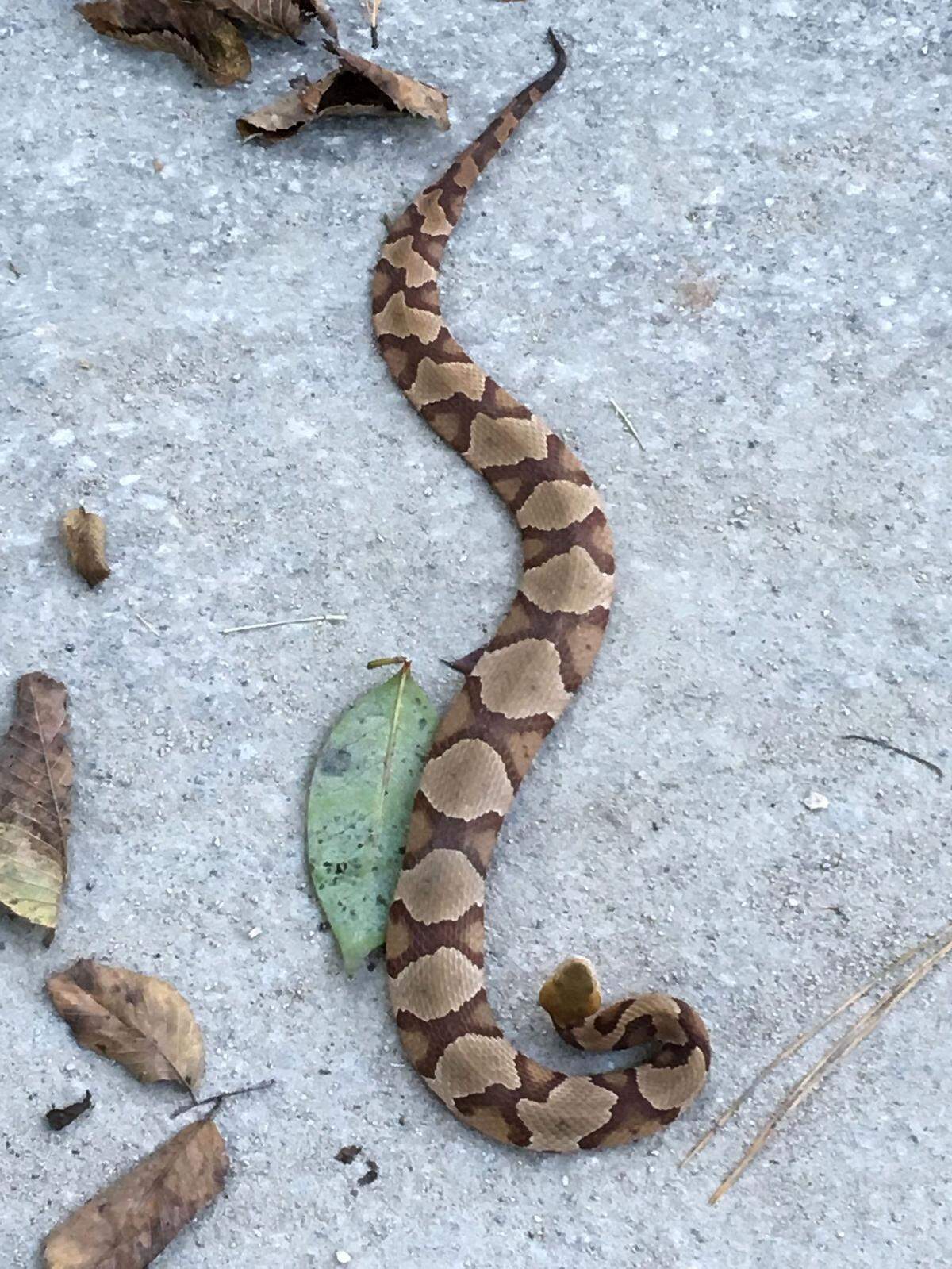
The short version of copperhead best practices include:
Keep a sharp eye open for snakes while outside.
Watch where you step (especially when wearing sandals or flip-flops).
Wear gloves when reaching into weeds, bushes or pine straw.
Keep a much closer watch on nosy dogs who might poke their snouts into spots where copperheads like to rest.
If you see one, leave it alone.
“The best way to avoid an unpleasant encounter with a snake is keeping an eye open for them wherever there is suitable habitat, and giving any snake you do encounter plenty of space,” Falyn Owens, wildlife biologist for the NC Wildlife Resources Commission, previously told The N&O.
What to do if bitten by a snake, copperhead
IF YOU HAVE BEEN BITTEN BY A SNAKE, YOU SHOULD:
Sit down and stay calm.
Gently wash the bite area with warm, soapy water.
Remove any jewelry or tight clothing near the bite site.
Keep the bitten area still, if possible, and raise it to heart level.
Call the NC Poison Control: 1-800-222-1222.
Note: If a snakebite victim is having chest pain, difficulty breathing, face swelling or has lost consciousness, call 911 immediately.
IF BITTEN BY A SNAKE, YOU SHOULD NOT:
Cut the bitten area to try to drain the venom. This can worsen the injury.
Ice the area. Icing causes additional tissue damage.
Apply a tourniquet or any tight bandage. It’s actually better for the venom to flow through the body than for it to stay in one area.
Suck on the bite or use a suction device to try to remove the venom.
Attempt to catch or kill the snake.
(Source: NC Poison Control)
This story was originally published June 12, 2024 at 12:18 PM.