Mpox in NC: Case counts, who’s most at risk, where to get the vaccine
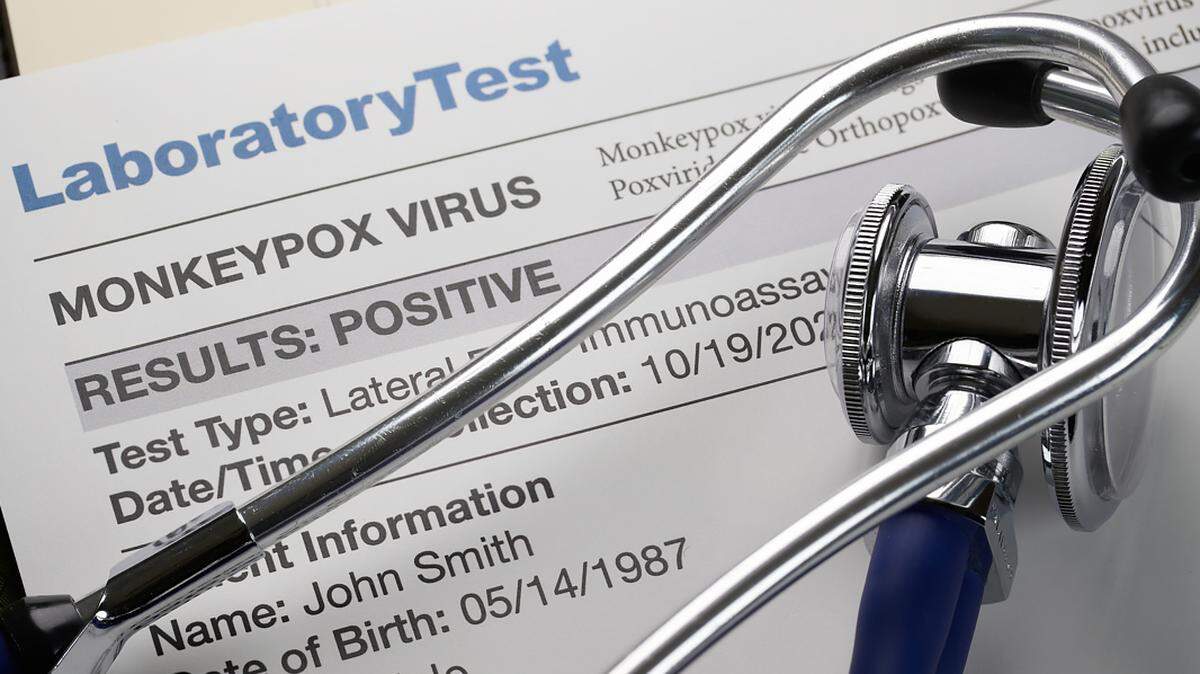
The World Health Organization recently declared mpox a global public health emergency due to an outbreak in Africa, but case counts remain relatively low in North Carolina.
There are two types of mpox, clade I and clade II:
- Clade II mpox was declared a public health emergency of international concern by WHO in July 2022, but the emergency was declared over in May 2023 after cases declined around the world.
- Clade I mpox is currently circulating in the DRC and throughout much of central and eastern Africa,
Dr. David Weber, an infectious disease specialist at UNC Health, told The Charlotte Observer.
Is mpox in the US?
There haven’t been any cases of the clade I strain reported in the U.S. yet, but the virus has the ability to spread more rapidly than the clade II strain reported in 2022, Weber said.
Though the virus is circulating rapidly in Africa, the risk to the general public in the U.S. is “very low,” the Centers for Disease Control and Prevention says.
Mpox cases reported in North Carolina
There have been 785 mpox cases reported in North Carolina since 2022, according to the most recent data available from the N.C. Department of Health and Human Services. Fewer than 15 cases are reported in the U.S. per day, Weber said.
Earlier this year, Wake County saw three cases of mpox, and in Charlotte, more than 20 people were exposed to mpox at an elementary school.
Who is most at-risk of contracting mpox?
Similar to clade II, Weber says the groups who are most at risk of contracting clade I mpox are:
- Men who have sex with men.
- Black people, due to lack of access to care and lower vaccine rates.
In North Carolina, 96% of all cases reported were in men, and 67% were reported in Black people, NCDHHS data shows. So far, 27,566 mpox vaccines have been administered in the state.
Other high-risk groups for contracting mpox, according to the Mecklenburg County Health Department, include people who:
Have had close contact in the past two weeks with someone who has been diagnosed with mpox.
Have had sexual contact in the past 90 days with individuals who have sex with men or transgender people.
Are living with HIV, taking medication to prevent HIV or were diagnosed with syphilis in the past 90 days.
Have had sex at a commercial venue or in association with a large public event in the past six months.
Can you get mpox if you’re vaccinated?
There isn’t enough data to say for certain, but the JYNNEOS vaccine should be effective against clade I mpox, Weber said.
The vaccine can prevent illness or severe symptoms if given within two weeks of exposure, according to the Mecklenburg County Health Department.
The vaccine is currently being offered in nine counties in North Carolina, including in Mecklenburg, Wake and Durham, according to NCDHHS.
You can also visit npn.cdc.gov to find an mpox vaccine site near you.
How to protect yourself against mpox
The best protection against mpox is the JYNNEOS vaccine, according to the CDC.
People can also protect themselves by:
Avoiding close contact with people who are sick with signs and symptoms of mpox.
Avoiding contact with wild animals in areas where mpox regularly occurs.
Avoiding contact with contaminated materials used by people who are sick or that came into contact with wild animals.
Avoiding eating or preparing meat from wild animals or using products made from wild animals.
This story was originally published August 16, 2024 at 1:22 PM with the headline "Mpox in NC: Case counts, who’s most at risk, where to get the vaccine."