
Thousands of NC wells may have flooded in Helene. But disinfection is lagging. Why?
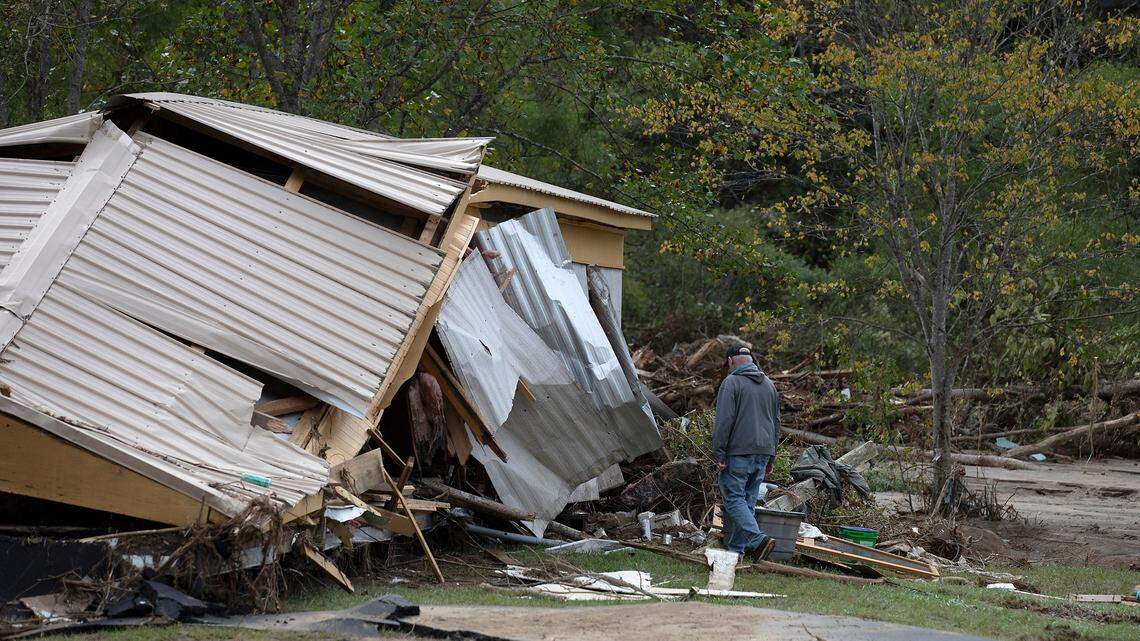
When people are able to return home in Helene-ravaged areas in western North Carolina, state officials estimate that thousands will need to test their well water to see if it is contaminated with dangerous bacteria.
An estimated 19,619 wells serving 46,125 people exist within flooded areas, according to Northeastern University estimates used by the N.C. Department of Health and Human Services. Another 87,000 wells are estimated to sit within 100 meters of floodwaters.
But about two months after Helene brought historic flooding and devastating landslides, health officials are seeing lower-than-expected demand for free well-water sampling and disinfection kits.
DHHS sent 6,302 well water collection kits to sites operated by local health departments. As of Nov. 26, just 2,234 of those kits had been used, with coliform bacteria found in 839 of those, including 188 with E. coli.
“We’re receiving far fewer requests for tests than we initially thought,” Larry Michael, the DHHS state environmental health director, said in an interview.
The slower-than-expected testing pace may be due to people with wells in flooded areas having bigger immediate priorities, Michael said, particularly if their homes were damaged or destroyed. An estimated 126,000 homes were damaged by Helene’s historic rampage, according to a damage and needs assessment from Gov. Roy Cooper’s office.
The wide-ranging scope of the damage and difficult-to-navigate terrain could mean that some parts of the recovery will happen more slowly than North Carolinians are used to seeing, Michael added.
“I think the recovery time’s going to be much longer, just based on the amount of damage. so I think everything we’re seeing is going to play out over a longer period of time than we’re used to seeing,” Michael said.
Contamination can be serious
State officials are pushing the message that free sampling and disinfectant kits are available, sending them to local health departments to help distribute.
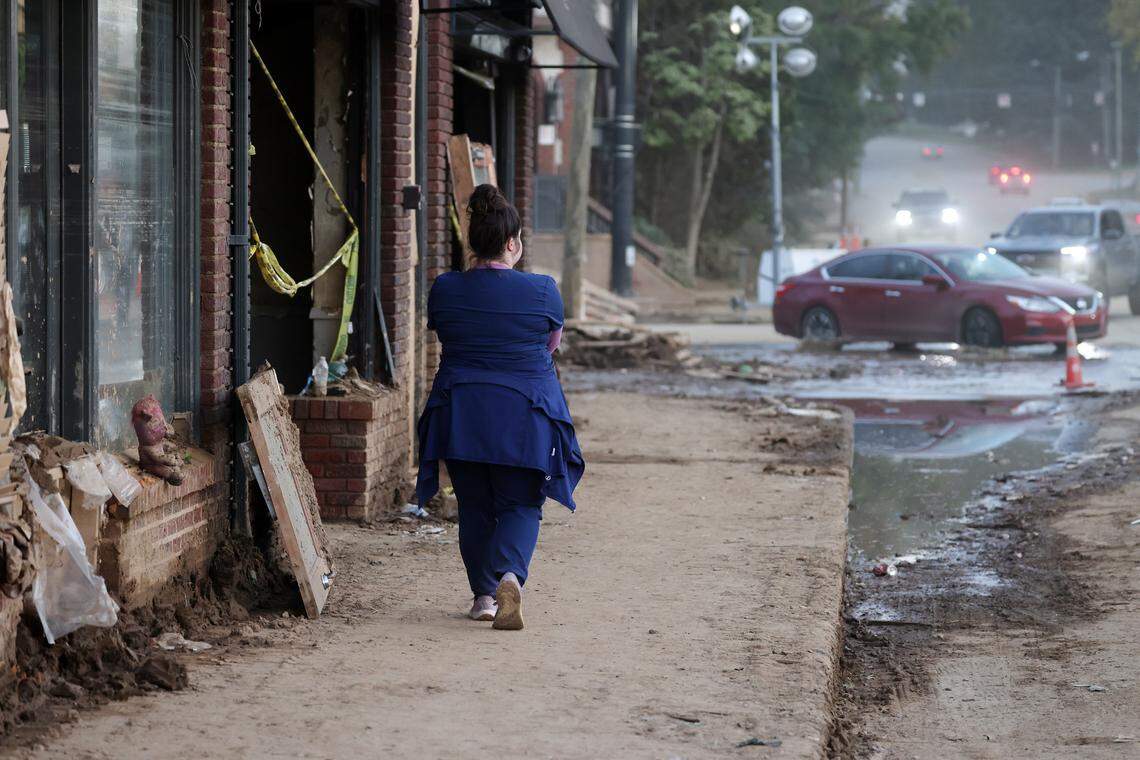
”If your well was an impacted area, if it’s flooded, it should be disinfected and tested to ensure that it’s free of any potentially dangerous bacteria,” Michael, the state environmental health director, told The News & Observer.
Some people may have had their wells disinfected and sampled by other groups, with riverkeepers from the environmental nonprofit MountainTrue providing the service at one point, as well as at least one plumbing company in the region. Those samples aren’t included in the state’s data.
Addressing contamination in situations where one well serves multiple homes have proven particularly challenging, said Monica McKinney, the environmental health director for AppHealth, which covers Allegany, Ashe and Watauga counties. Disinfection requires coordination among all of the people whose houses are supplied by that well.
That’s true in places where one or two homes that are served by a well were damaged by floodwaters while others were left unscathed.
“You may be able to get the line from the well to the undamaged house cleaned up, but when there’s still that open pipe to the houses that were damaged then the bacteria’s just going to work its way back into the well,” McKinney said.
In those cases, it may be possible to have a plumber install a shut-off valve to the damaged home to prevent bacteria from recontaminating wells.
Jennifer Greene, AppHealth’s CEO and health director, said people need to know what could be in their drinking water as they start to return home. That’s especially true if there are elderly adults or children living in a home.
“If it does have bacteria in it, it’s important for you to know that especially if you have a person who may be more immunocompromised,” Greene said.
Water testing, disinfecting steps
Well sampling tests primarily for coliform bacteria because they are cheap to detect compared to other contaminants and are a good indicator that pathogens likely found their way into a home’s water supply, said Hartwell Carson, the French Broad Riverkeeper for environmental nonprofit MountainTrue.
If a sample comes back with a high level of coliform, it’s likely that a well was flooded and should be disinfected. And while many coliform bacteria won’t make people drinking the water ill, certain types often found with it, such as E. coli, will.
DHHS recommends that wells that were flooded be disinfected before a sample is taken. To do that, a homeowner mixes liquid chlorine bleach with water, with the amount of bleach determined by the diameter and depth of the well.
Then, Michael said, that water is recirculated in the well for about a half hour before all the faucets in the home are turned on. At that point, residents should wait until they smell bleach coming out of each faucet, indicating that the disinfectant has reached plumbing throughout the home.
At that point, Michael said, the disinfectant should be allowed to sit inside the pipes for eight hours or overnight. After that period, all faucets and any outside hoses should be run until there’s no chlorine smell.
A well-water sample can then be taken to figure out if any contaminants have been removed.
“That’s the only way to know that your water is safe to drink,” Michael said.
Little sign of illness
So far, state health officials are not reporting significant increases in the kinds of illnesses they would expect if large numbers of people were drinking contaminated water.
Dr. Zack Moore, North Carolina’s state epidemiologist, said officials are using NC DETECT, a database that includes emergency room visits, to track when people are reporting with severe cases of diarrhea, vomiting or other gastrointestinal illnesses.
“We haven’t seen any sustained increases,” Moore said, adding the caveat that the state’s surveillance system could be missing people who are suffering and not reporting to an emergency department or seeking care.
State and local health officials believe an October spike in illnesses associated with the bacteria campylobacter in Buncombe County was likely due to eating foods that weren’t refrigerated or not following safe hygiene practices.
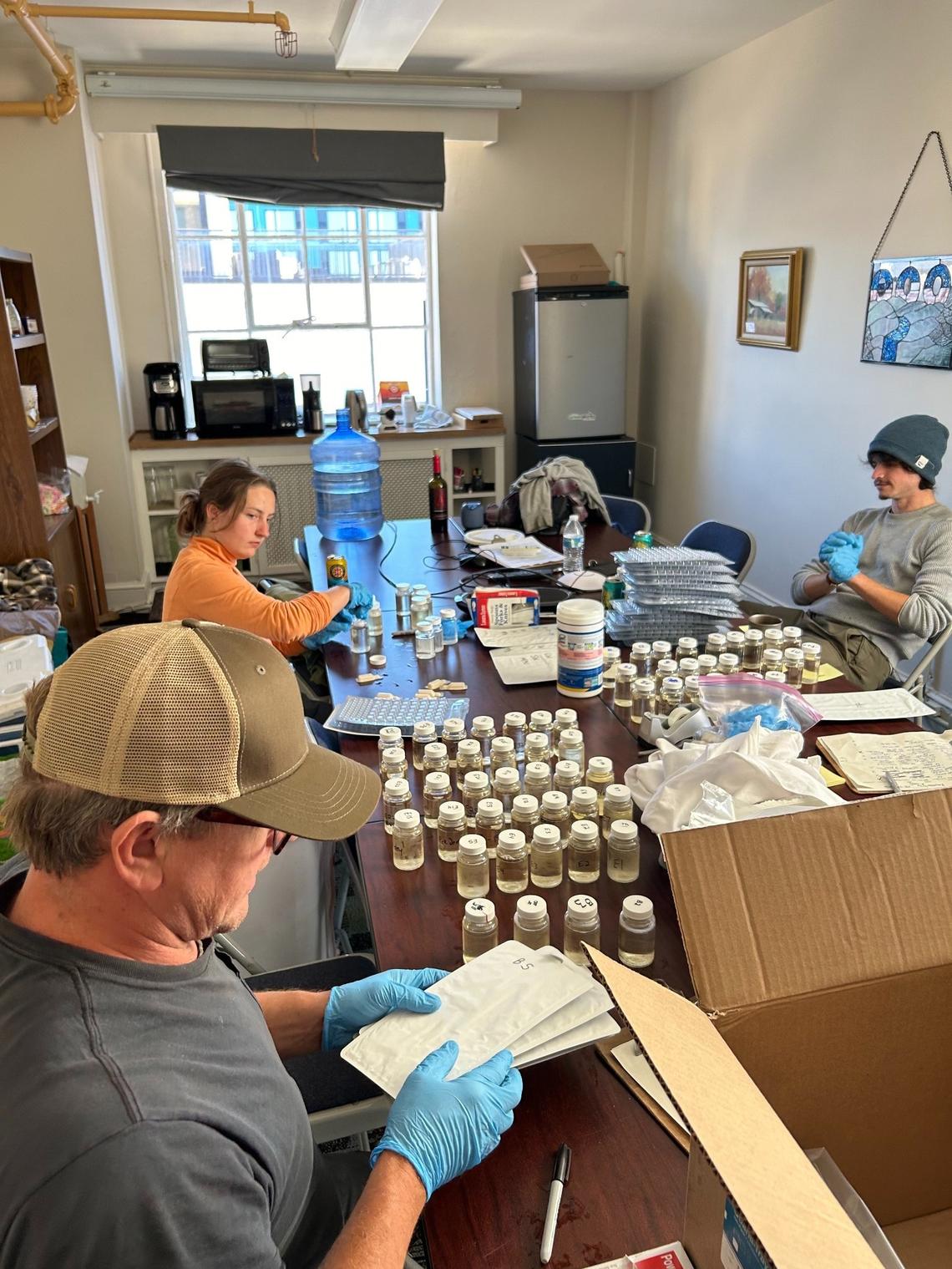
Carson and other MountainTrue riverkeepers activated a well sampling effort in the days after Helene, using their in-house lab to check coliform levels. They tried to focus on testing for people whose wells were inundated.
In one case, though, Carson recalled telling a man that he likely didn’t need to sample his well because it hadn’t been flooded.
“I agree with you and the Internet agrees with you,” Carson said the man told him, “but my pregnant daughter at home doesn’t agree with you.”
Carson gave him a testing kit.
This story was produced with financial support from the Hartfield Foundation and Green South Foundation, in partnership with Journalism Funding Partners, as part of an independent journalism fellowship program. The N&O maintains full editorial control of the work. If you would like to help support local journalism, please consider signing up for a digital subscription, which you can do here.
This story was originally published December 2, 2024 at 6:00 AM.