Tasers: An evolving technology that can make policing safer when used with restraint
Law enforcement agencies across the country started using Tasers and similar weapons about three decades ago. The still-evolving technology quickly reduced injuries among officers and subjects, research has shown.
Courts have put limits on when and how they should be used. Attorneys and members of the public say North Carolina police don’t always comply with those limits, putting the public at risk.
But what are energy-charge weapons and how did they get added to the weapons that police are allowed to use in limited ways?
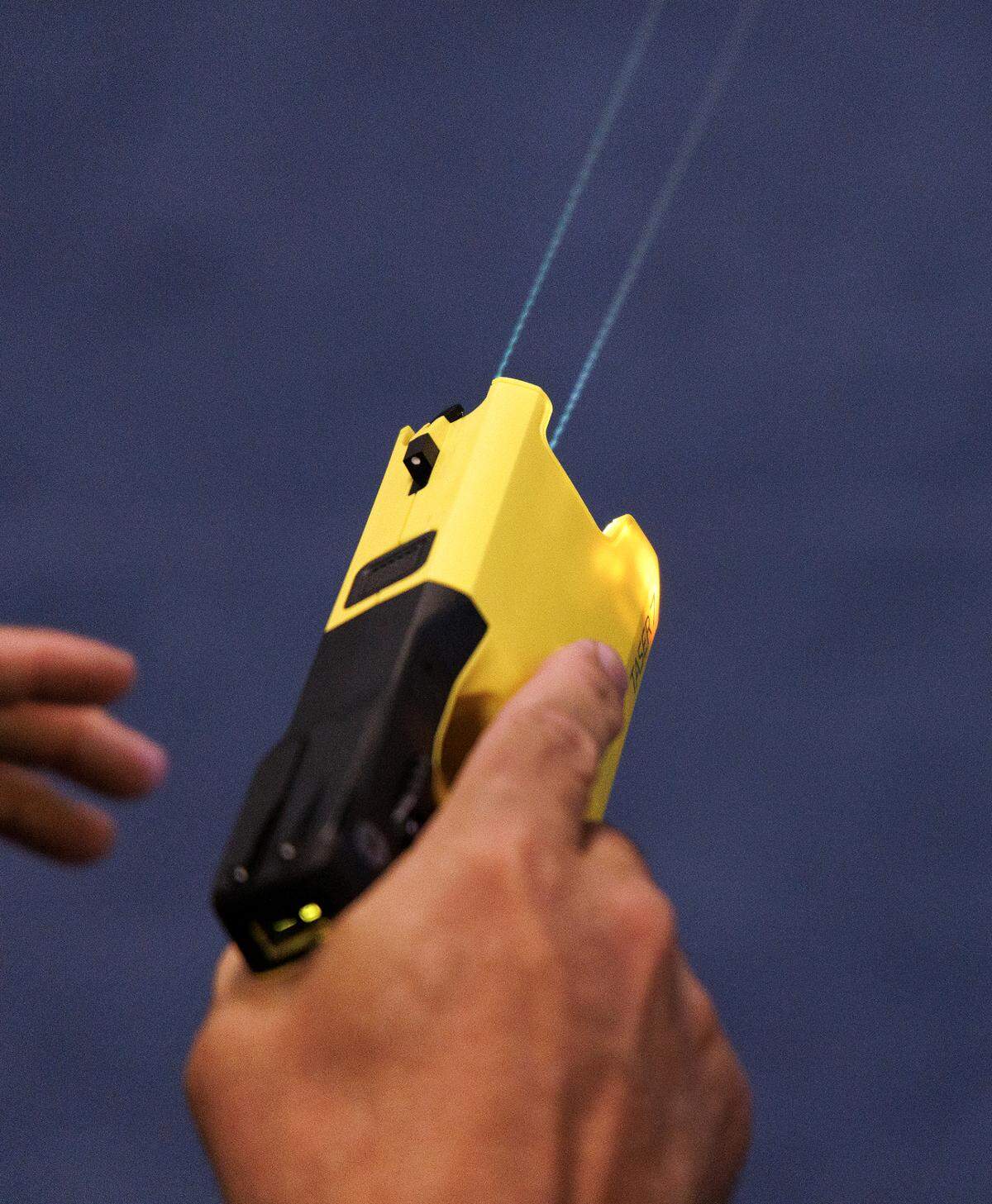
Who invented Taser and when?
The quest for more effective non-deadly weapons followed police clashes with anti-war protesters on college campuses in the 1960s, according to Officers.com. Police used mace during that time, but it required close contact and didn’t always affect people on drugs.
Enter Jack Cover, a NASA aerospace engineer who fiddled with inventions in his garage and trained under the creator of the first nuclear reactor and an inventor of the hydrogen bomb.
Cover recognized a need for a weapon to fight against the increasing hijackings on planes, which could be damaged by bullets, according to Axon, the Taser’s parent company.
The name Taser is an acronym, “Tom Swift and his Electric Rifle,” for one of Cover’s favorite childhood novels about the adventures of Tom Swift with and his rifle that shoots bolts of electricity, according to Axon.
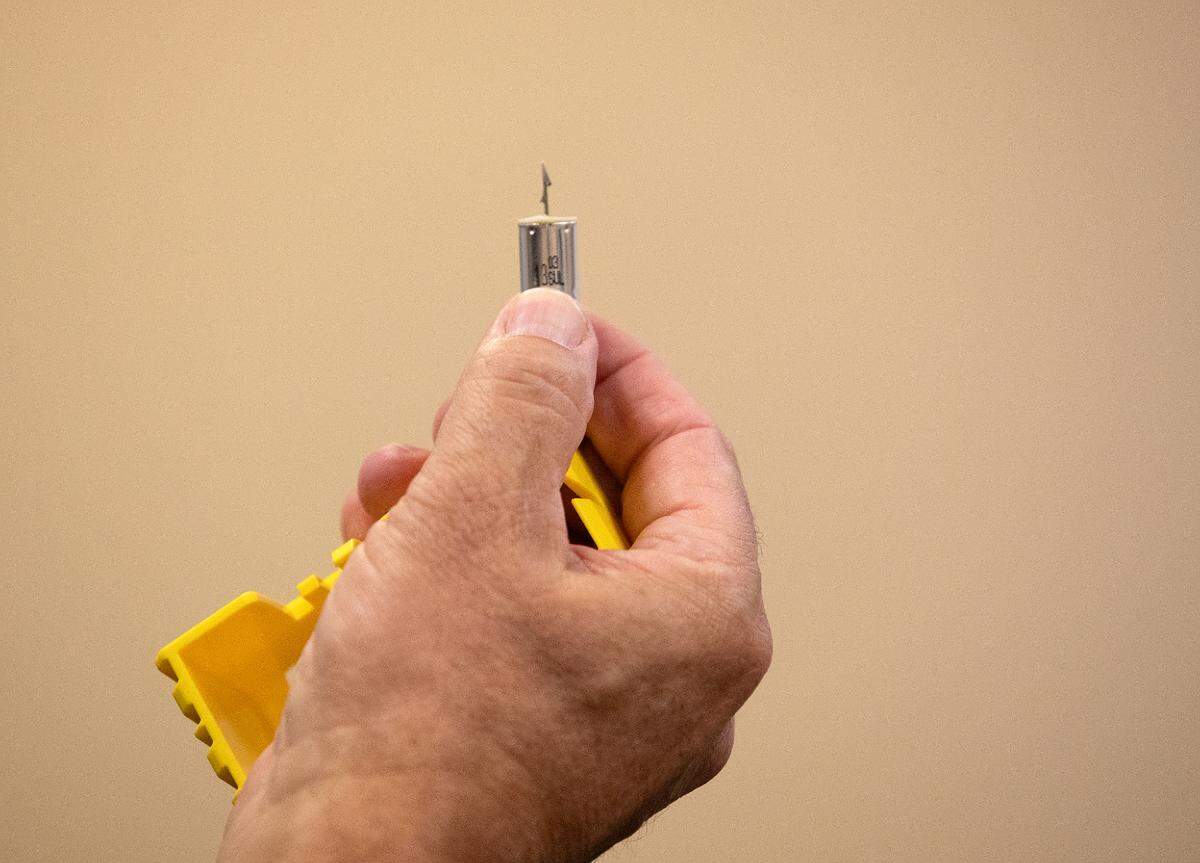
Cover developed the idea after reading an article in 1967 about a man who was immobilized after walking into an electric fence, according to Axon. He started experimenting with a weapon that used gun powder to propel two wire tethers that transmit electricity.
Hindered by mixed reviews and a weapon that had to meet firearm regulations, early sales didn’t meet Cover’s expectations.
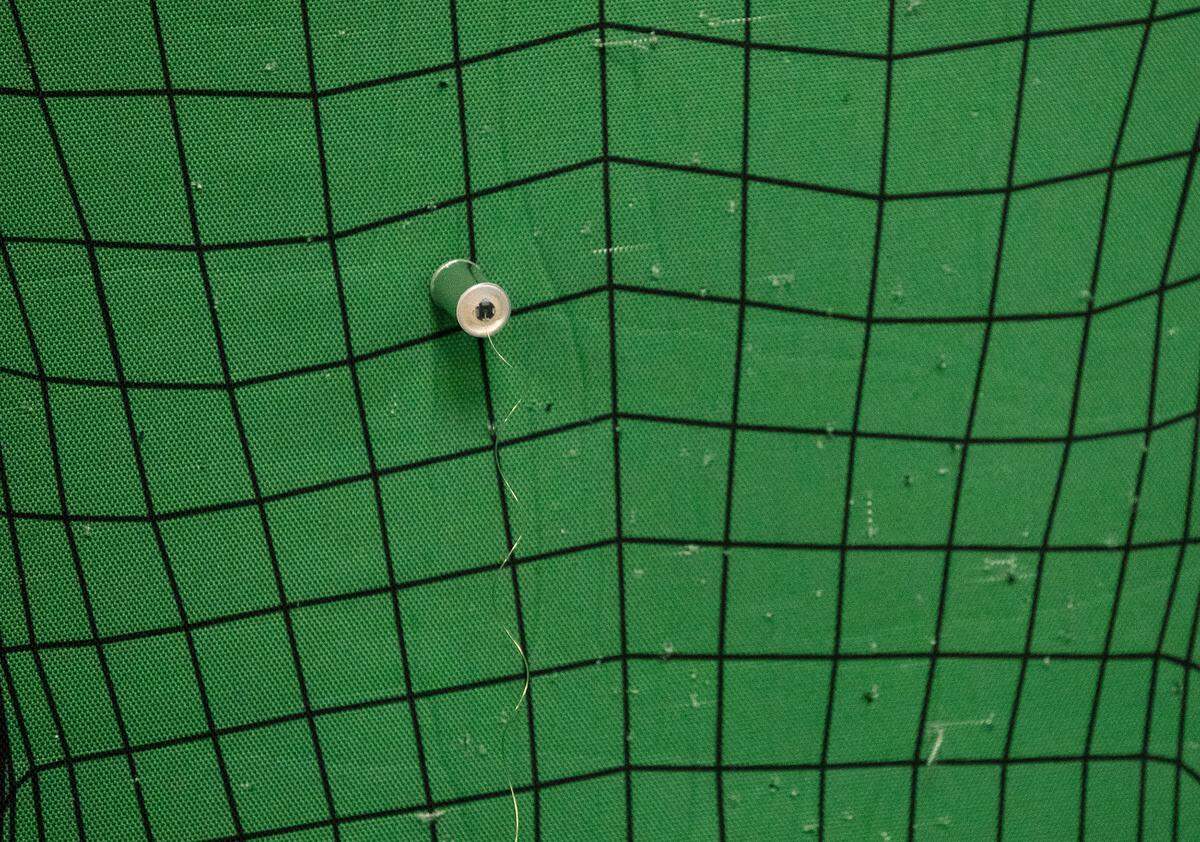
In 1993, however, brothers Rick and Tom Smith bought the Arizona-based company and the patent and redesigned the device to work without gun powder. The next year they launched the Air Taser 24000, which projected wires up to 15 feet and stimulated nerves causing pain, according to Axon.
How has technology changed?
About four years after the release of Air Taser in 1994, more law enforcement agencies started to use the weapon, according to Axon.
In 1998, the company released the Advanced Taser M26, which shot up to 25 feet and had an advanced electrical waveform that caused “true neuromuscular incapacitation,” by causing involuntary muscle contractions, according to Axon.
In 2023, Axon launched a Taser 10, which can launch up to 10 probes that fly up to 45 feet.
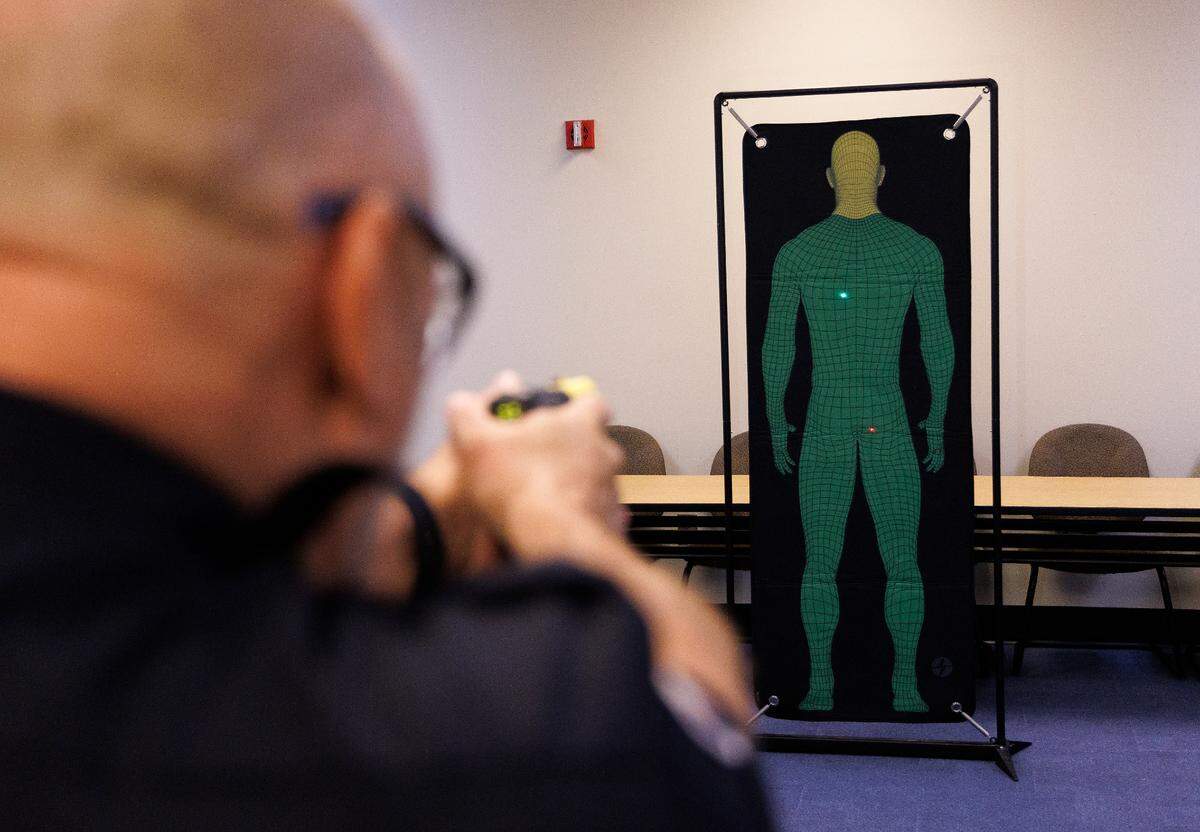
How has Taser use evolved?
Taser use took off after the 1999 release of the Taser M26, the first to offer temporary paralysis by shocking targeted nerves.
By 2010, more than 15,000 law enforcement agencies across the globe were testing out or using the device, according to the company.
Also that year, federal appeals courts started recognizing emerging evidence of their misuse and dangers. In 2010, the U.S. Court of Appeals for the Seventh Circuit, which includes Illinois, Indiana and Wisconsin, ruled that a man not allowing police to handcuff him didn’t justify using an energy weapon, according to National Institute of Justice report on energy weapons.
In 2011, the Ninth Circuit, which sets standards for far western states, agreed that police using an energy weapon against a pregnant woman who was actively resisting but not a threat was excessive force.
A 2016 decision by the Fourth Circuit district, which has jurisdiction in North Carolina and four surrounding states, spelled out that Tasers are more dangerous than other nonlethal weapons and require more consideration. It also said that Tasers shouldn’t be used on fleeing subjects unless the person poses an “immediate danger.”
The decision followed a lawsuit against a Village of Pinehurst officer who in 2011 repeatedly used a Taser on Ronald Armstrong as he clung to a post. Armstrong had a severe mental illness and was resisting orders to be committed to a hospital. After officers handcuffed and shackled Armstrong, he stopped moving and later died.
“Painful, injurious, serious inflictions of force, like the use of a taser, do not become reasonable simply because officers have authorization to arrest a subject who is unrestrained,” the ruling states.

What are the advantages and disadvantages of Tasers?
Tasers and similar weapons help officers in situations that appear to be escalating toward a physical attack or a struggle, a threat to officers and suspects, Pinehurst Police Chief Glen Webb said. Unlike pepper spray, it works quickly and unlike a baton, it can be deployed from a distance.
If their hooks hit the right muscle groups, they can immobilize a person, Webb said. That gives officers a chance to rush in and handcuff the person.
Disadvantages include officers having to accurately strike people in intense, fast moving situations. Also the devices can be dangerous, even lethal, to people on drugs or who have health problems, said Henry King, president of the North Carolina Association of Chiefs of Police.
Virginia Bridges covers criminal justice in the Triangle and across North Carolina for The News & Observer. Her work is produced with financial support from the nonprofit The Just Trust. The N&O maintains full editorial control of its journalism.