A common yard shrub kills hundreds of NC birds each winter. Is there one near your home?
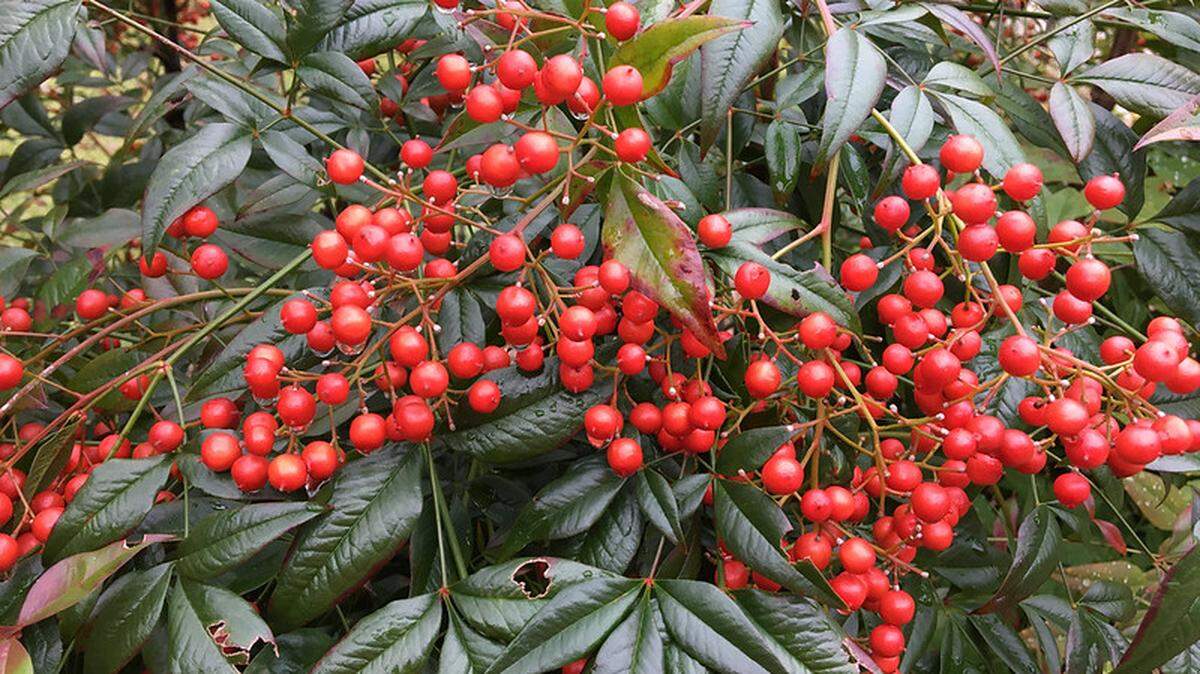
There’s a plant that’s not native to North Carolina, but it’s responsible for the deaths of hundreds of birds in the state each year.
Nandina domestica, commonly referred to as Heavenly Bamboo, is often used in yard landscaping, and you may even have one near your home. Gardening stores love to sell them, members of the New Hope Audubon Society, the local chapter of the national bird conservation group, told The News & Observer last year.
The invasive plant is originally from Asia. Their signature red berries look like great bird snacks, but the berries are filled with a dangerous chemical and can sicken our feathered friends.
Here’s what to know about the plant and what you can do to keep local birds safe.
Which birds die from Nandina (Heavenly Bamboo)?
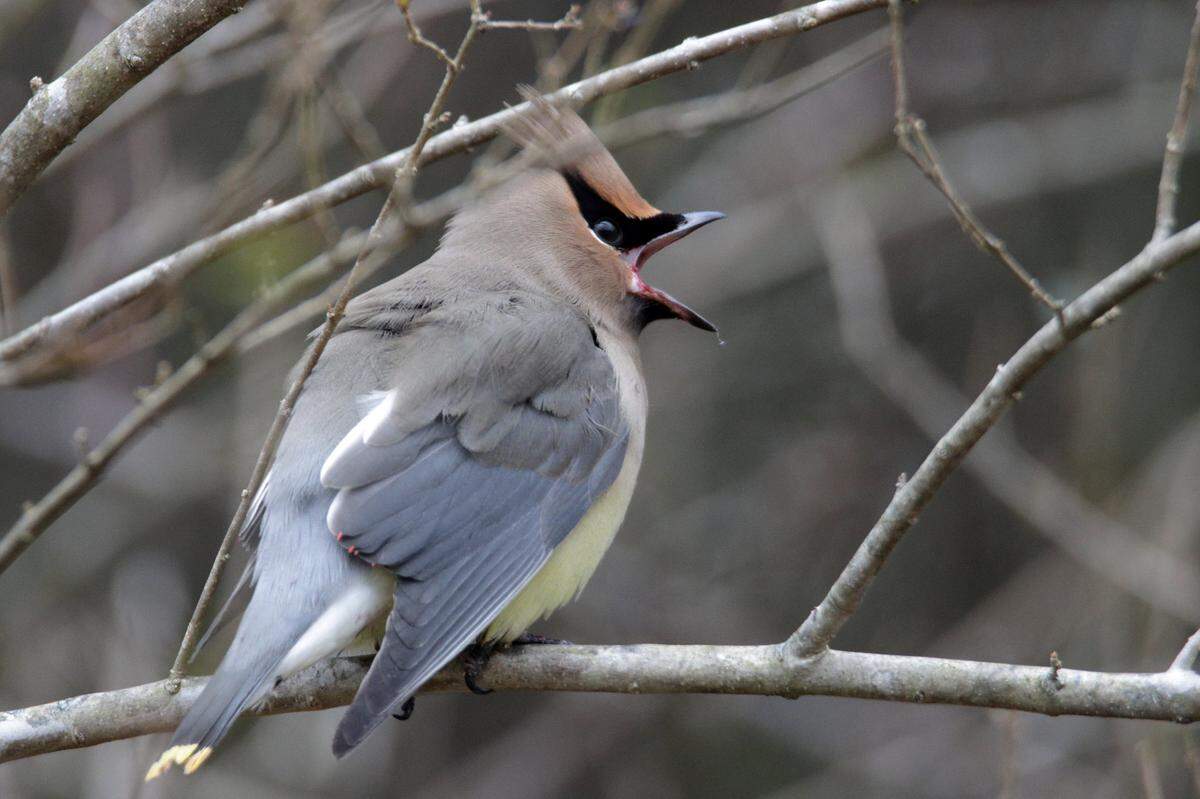
Cedar waxwings, a species of bird that calls North Carolina home year-round, are “hardwired” to eat the red berries, Carol Hamilton, the president of New Hope Audubon Society, a chapter of the national bird conservation group based in the Triangle, told the N&O.
“When they see a bush with lots of red berries or fruit, they descend as a flock and stuff themselves,” she said.
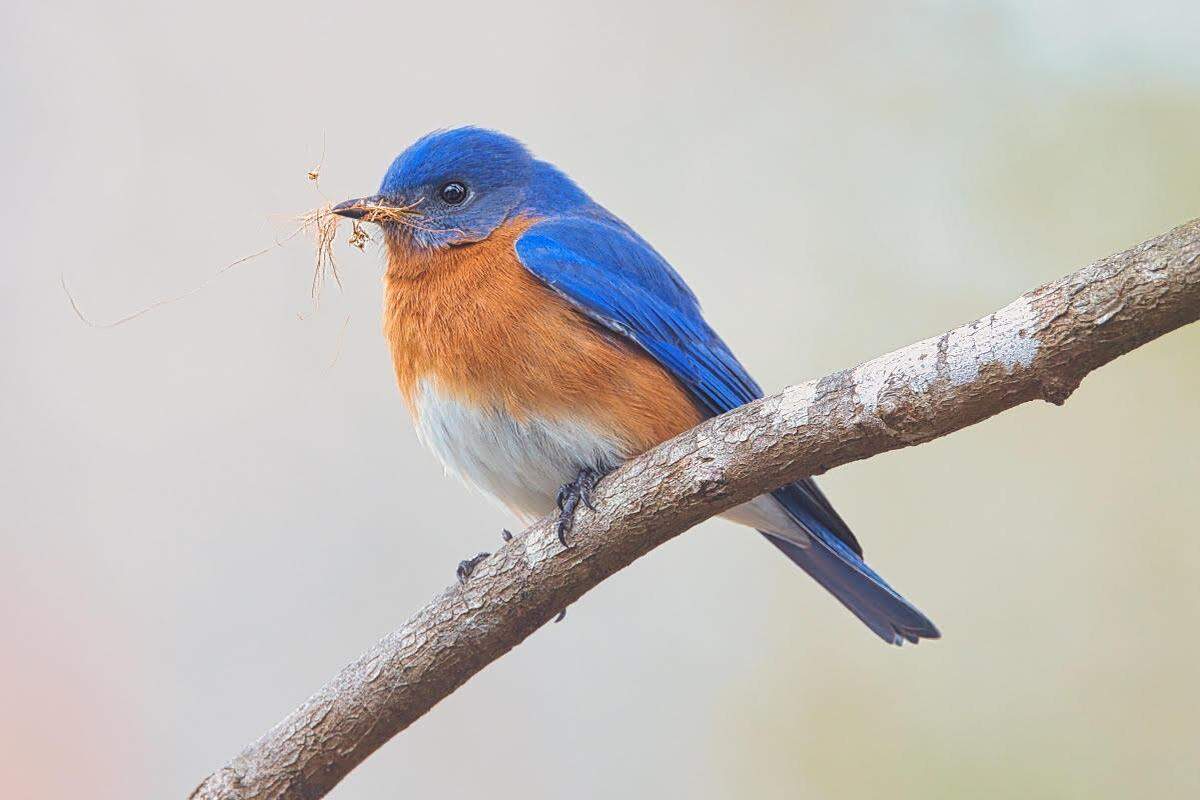
The American robin, Northern mockingbird and Eastern bluebird are also among the bird species that snack on the berries, according to Audubon Delta based in Mississippi.
However, each berry contains cyanide, which is deadly in large quantities.
How is Heavenly Bamboo poisonous or deadly?
A few years ago, a study from NC Botanical Garden found that the plant’s leaves produce cyanide throughout the year.
“A flock of cedar waxwings can strip the fruits from a nandina bush in minutes, but as the fruits are digested, they slowly release cyanide in quantities that overwhelm the birds’ ability to detoxify it,” the NC Botanical Garden wrote in 2022.
Tiny birds, as well as other birds that tend to overindulge on the red berries when they’re abundant, can also die from snacking on the poisonous fruit, Hamilton said.
How to identify Nandina (a.k.a. Heavenly Bamboo)
You can use this guide from the NC State Extension Gardener Plant Toolbox to identify Heavenly Bamboo:
Berries: Bright red and grow in a terminal cluster, which can resemble a bunch of grapes. Berries are bright red in cold months, small and spherical.
Growth: Cane-like, meaning new shoots grow straight up and unbranched from the plant’s crown.
Leaves: Decompound leaves can be one to two feet long. New growth (as well as fall foliage) can appear reddish.
How to protect local birds from poisonous plants and berries
Here’s what the birders at New Hope Audubon say:
• Get rid of your Heavenly Bamboo: Do this by first identifying that’s what it is. You can reach out to NC State Extension or identify with the help of plant apps. Hamilton recommends the apps Picture This, Seek and iNaturalist.
• Replace Nandina with local offerings: Alternatives include American beautyberry, Button Bush and Winterberry, says NC State Extension.
If you love Cedar waxwings, plant the Eastern Redcedar, which the NC Botanical Garden says is the birds’ preferred native food plant.
“Now is a great time to plant bushes because they will have time to get roots settled before it turns hot and dry,” Hamilton said.
• Remove the poisonous part: If you want to keep your Nandina plant, here’s how to make sure it does the least amount of damage for our local birds.
When you see the berries, chop them off.
Throw the berries out somewhere the birds won’t see them and/or where they won’t germinate and grow into another deadly bush.
In the spring, when the plant makes its small flowers, chop those off too so the berries don’t have the chance to grow.
• Remove the entire plant: If you want to get rid of the plant entirely, you should dig it up by the roots and make sure to get all the suckers.
Staff writer Kimberly Tutuska’s reporting contributed to this story.
This story was originally published January 23, 2025 at 7:00 AM with the headline "A common yard shrub kills hundreds of NC birds each winter. Is there one near your home?."