NC faith groups are suing the Trump administration to stop immigrant arrests at churches

Three North Carolina faith groups representing 20 denominations and thousands of congregations have sued the Trump administration, saying its decision to send immigration agents into churches and synagogues violates their Constitutional right to religious freedom.
The N.C. Council of Churches, based in Raleigh and representing more than 6,000 churches and synagogues across the state; the African Methodist Episcopal Zion Church, based in Charlotte and representing 1,600 congregations across the country; and the Western North Carolina Conference of the United Methodist Church, based in Huntersville and representing more than 600 churches in the western half of the state; filed the suit Tuesday in federal district court in the District of Columbia along with two dozen other U.S. faith groups.
What are churches asking the court to do?
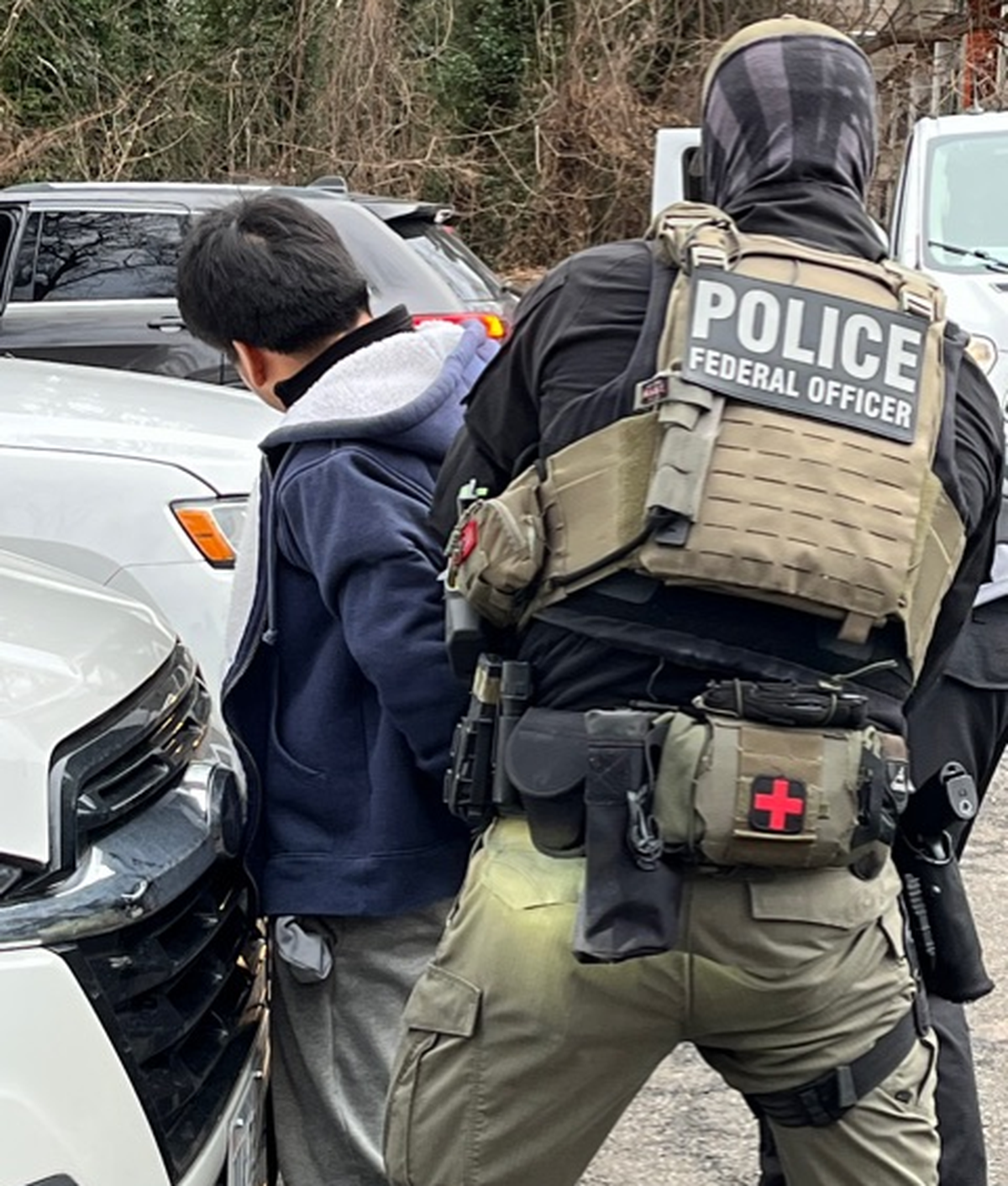
The suit asks the court to stop the Department of Homeland Security, its agents or anyone working with them from acting on an agency directive of Jan. 21, 2025. The directive rescinded a longstanding policy limiting immigration enforcement in or near “sensitive areas” such as schools and churches.
In the past, immigration enforcement officers would only arrest undocumented people at schools and churches under exigent circumstances or on specific orders.
The Trump administration said the policy had thwarted law enforcement and that it was being rescinded so that, “Criminals will no longer be able to hide in America’s schools and churches to avoid arrest.”
According to news reports, Immigration and Customs Enforcement officers then went to a church in Georgia during a worship service and arrested a Honduran man wearing an ankle monitor while awaiting a hearing on his asylum request. The lawsuit says the man had attended all of his required check-ins with ICE in Atlanta, but was told by the arresting agents they were simply “looking for people with ankle bracelets.”
Faith leaders from several of the plaintiff groups in the suit held an online press conference Tuesday and said the threat of people being arrested at churches and synagogues has made it impossible for congregations to follow one of the central tenets of their faith: welcoming and serving immigrants.
Several other lawsuits have been filed by religious groups making similar complaints.
What the lawsuit claims
Kelsi Brown Corkran of the Institute for Constitutional Advocacy and Protection at Georgetown Law and lead counsel on this case, said the Trump administration has created a theologically untenable situation for Christian and Jewish congregations that welcome immigrants to worship or offer social service programs aimed at helping them.
The Bible and the Torah impel believers to love and help immigrants without asking if they are properly documented, Corkran said, but encouraging people who don’t have sufficient documentation to come to worship or visit a food pantry, clothing closet or English class could make them easy targets for arrest.
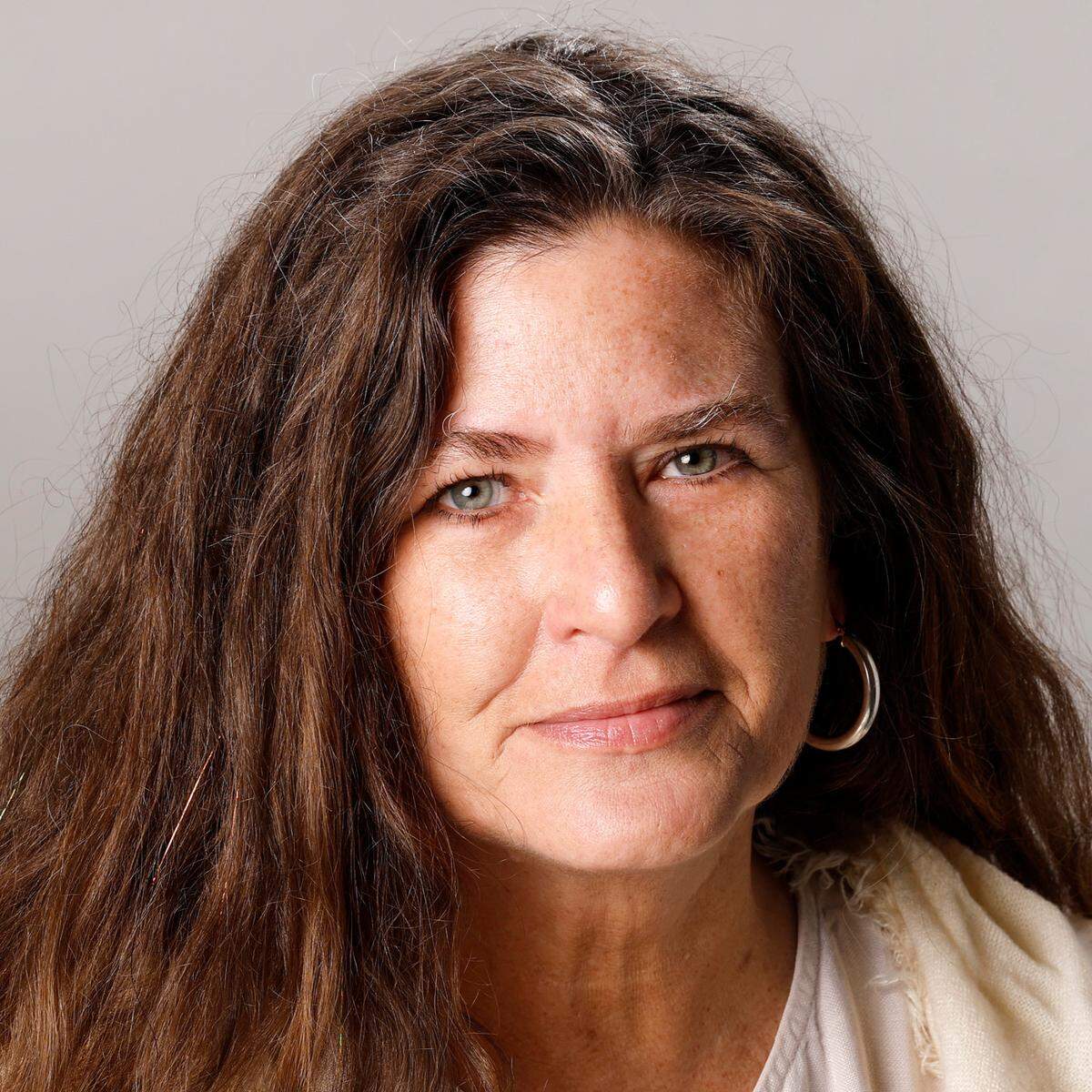
The Rev. Dr. Jennifer Copeland, executive director of the N.C. Council of Churches, told The News & Observer on Wednesday, Feb. 12, that she has heard from pastors that Latino immigrants, in particular, have disappeared from worship services they have long attended. Some have stopped using social service programs offered by churches as well, Copeland said.
Especially since the COVID-19 pandemic, Copeland said, congregations have found ways to stay connected and will keep doing that if people no longer feel safe coming to services in person.
“Faith communities are well equipped to do this kind of thing, paying attention when we haven’t seen someone in a while, reaching out, taking a casserole when somebody’s mama dies or somebody has a baby,” Copeland said.
“But congregations of any faith tradition struggle when their people are not present. It’s being present in community that kind of makes us who we are.
“There is no such thing as an individual Christian,” Copeland said. “By definition, it’s a community faith. It’s better when we can be together.”