When can you wash your car? Here’s how bad NC’s pollen has been + when it will end
If pine pollen is a plague that keeps you locked indoors for three weeks in spring, you can open your eyes — and your windows — again in the next three to seven days.
It’s almost over.
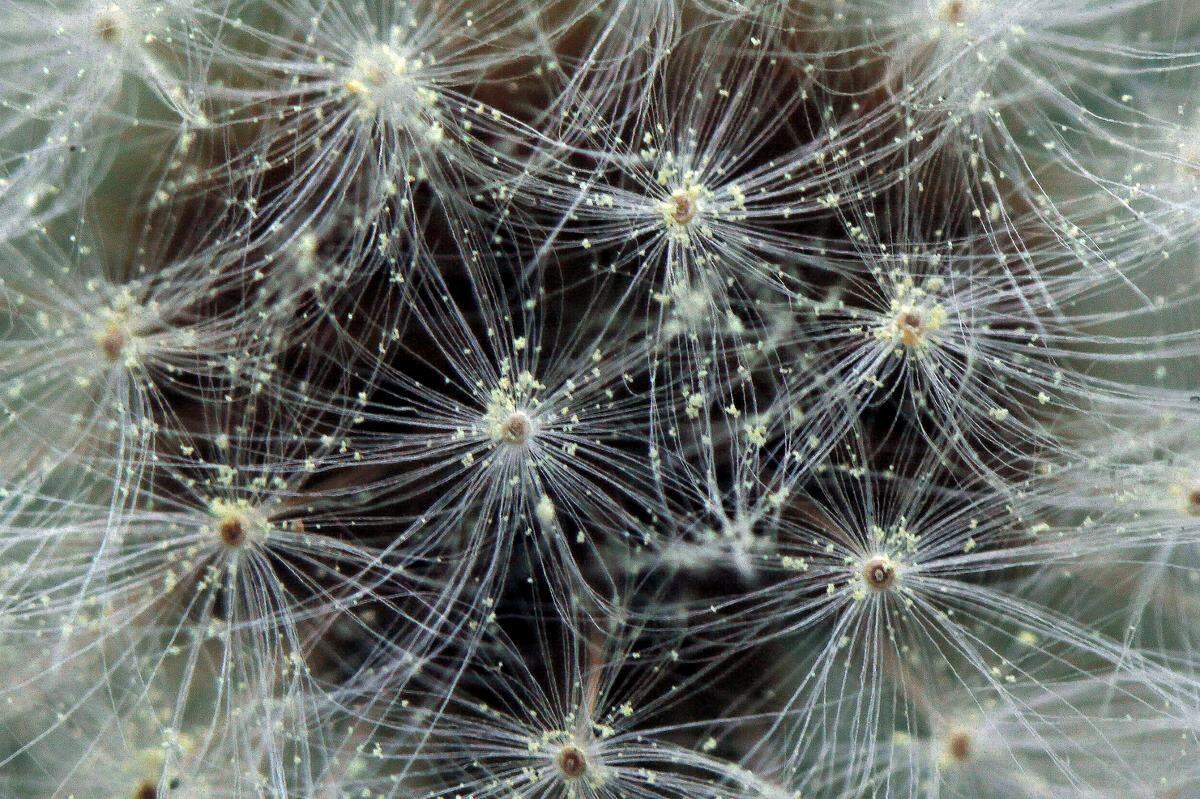
When will the pine pollen stop falling?
Dr. Robert Bardon, associate dean for extension and a professor at N.C. State University’s College of Natural Resources, has developed a mathematical formula to simplify the complicated courtship of the loblolly pine and its cousins that results in the ubiquitous yellow film now clinging to your porch furniture.
While other trees, grasses and weeds add to the mix of particulates, it’s pine pollen that descends like a yellow curtain across central and Eastern North Carolina in late February to early March.
The arrival, departure and density of pollen depend largely on winter and spring temperature patterns.
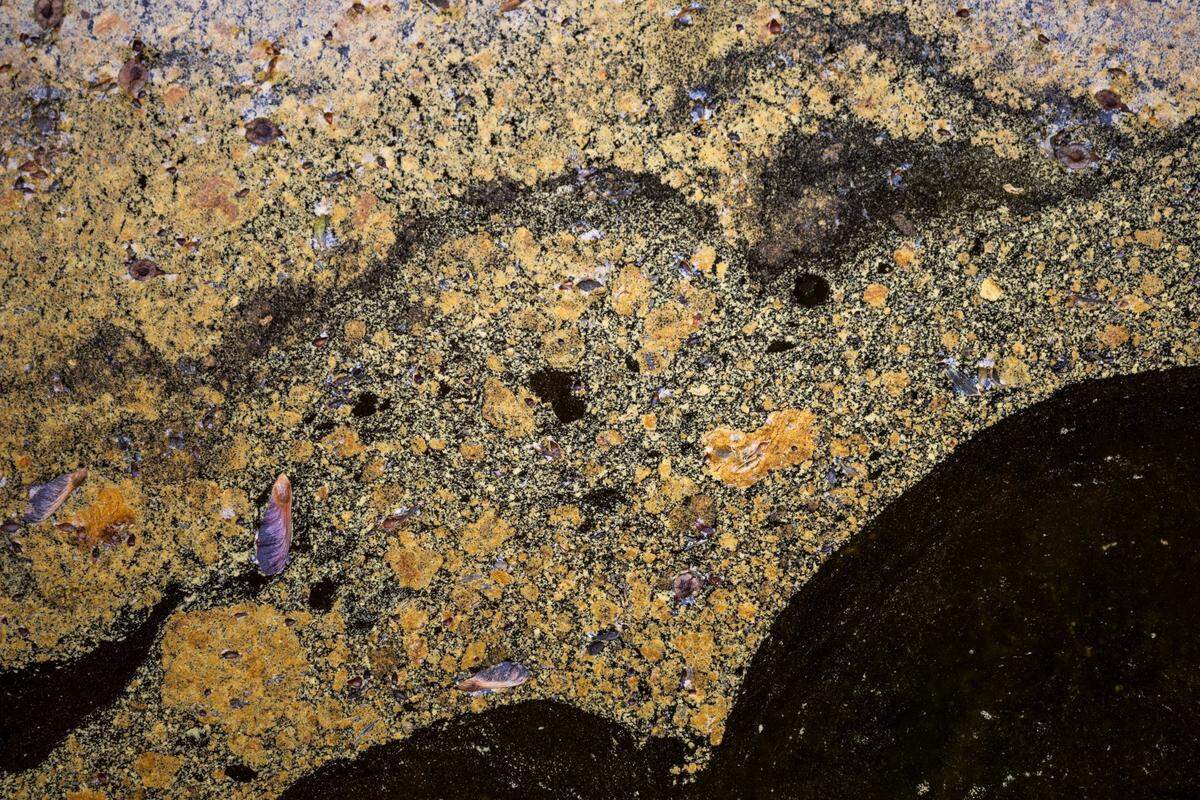
This year, according to Bardon’s formula and temperature records on weatherspark.com, pine pollen began to fall in Raleigh around March 11, and it peaked on Monday, March 31.
It has decreased since then, and this week it should be safe to wash the car.
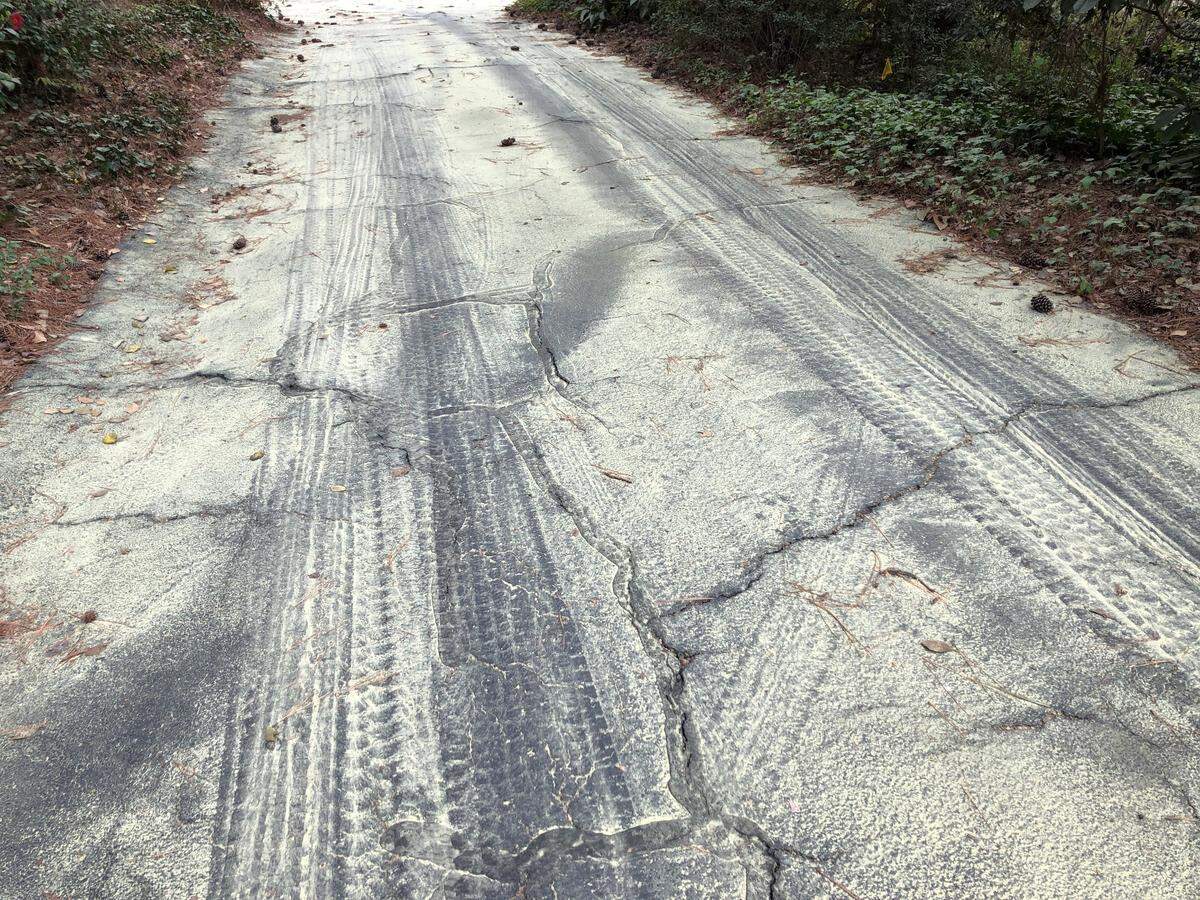
Has 2025 been the worst allergy season ever?
The makers of antihistamines seem to say every year it’s going to be the worst allergy season ever.
The trend toward warmer winters means pollen season starts earlier. Warm weather lasting later into the year extends the growing season, meaning pollen output lasts longer.
The N.C. Department of Environmental Quality measures daily pollen counts in Raleigh in grains per cubic meter and tracks the amounts over time. The levels are categorized as low, moderate, high or very high.
According to its database, 2025 has so far been a tough year for people who are sensitive to pine pollen or just tired of tracking it into the house.
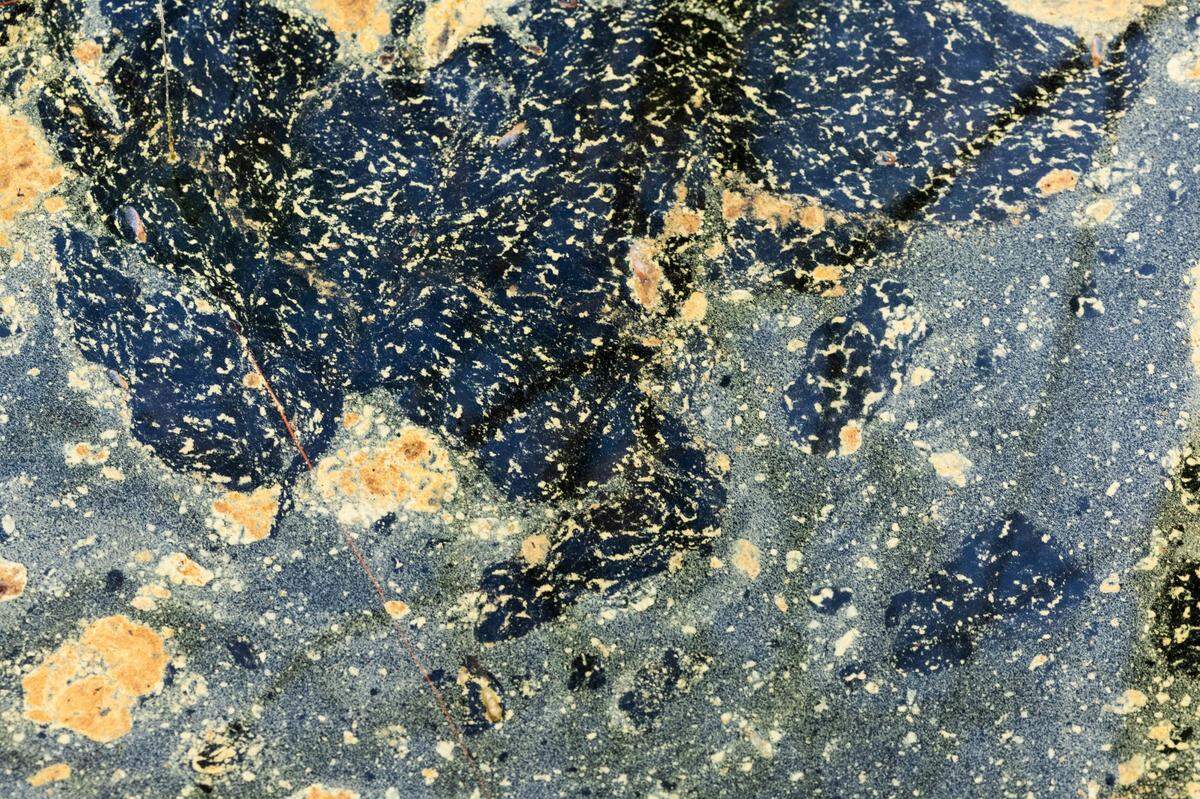
This year, Raleigh had its first “high” reading on March 3, and through March 28, the most recent readings available, Raleigh had seen 14 high-pollen days, and no very-high-pollen days.
In 15 years, comparable pollen seasons were reported in 2017 and 2023.
It’s worth noting that while it’s a nuisance because it’s a large granule and it’s yellow, pine pollen is not the one that causes the most people to weep and sneeze. Statistically, NCSU says, more people are allergic to oak, birch, cedar, maple and hickory than to pine.
In North Carolina, oak pollen usually peaks in April.
This story was originally published March 31, 2025 at 3:20 PM.