Ants march into NC homes each spring. Follow these pest control expert tips to keep them out
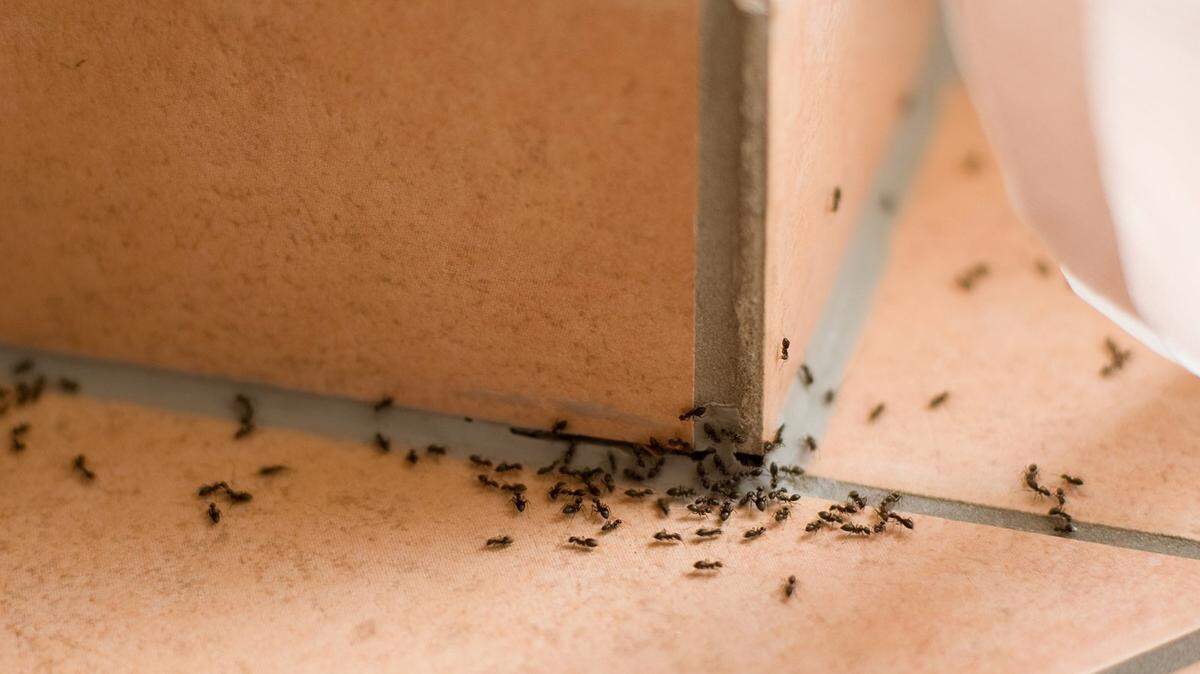
Ants are one of the most common household pests in North Carolina.
The insects can be a year-round issue, but you’re more likely to see them inside beginning in the spring, Chris Hayes, a postdoctoral scholar at NC State University who specializes educating the pest management industry on critter habits, told The Charlotte Observer.
Learn more about the most common types of ants found in our homes and what you can do to prevent them from getting into your house.
Common ants found in NC homes
The odorous house ant is one of the most common types that make their way into homes in North Carolina, Hayes said.
“These are small ants, and they don’t have stingers,” he added. “The easiest way to tell if it’s an odorous house ant is you can squish it and then smell your finger. Given the name odorous house ant, they give off an odor that smells a little bit like coconut, is the way that most people describe it.”
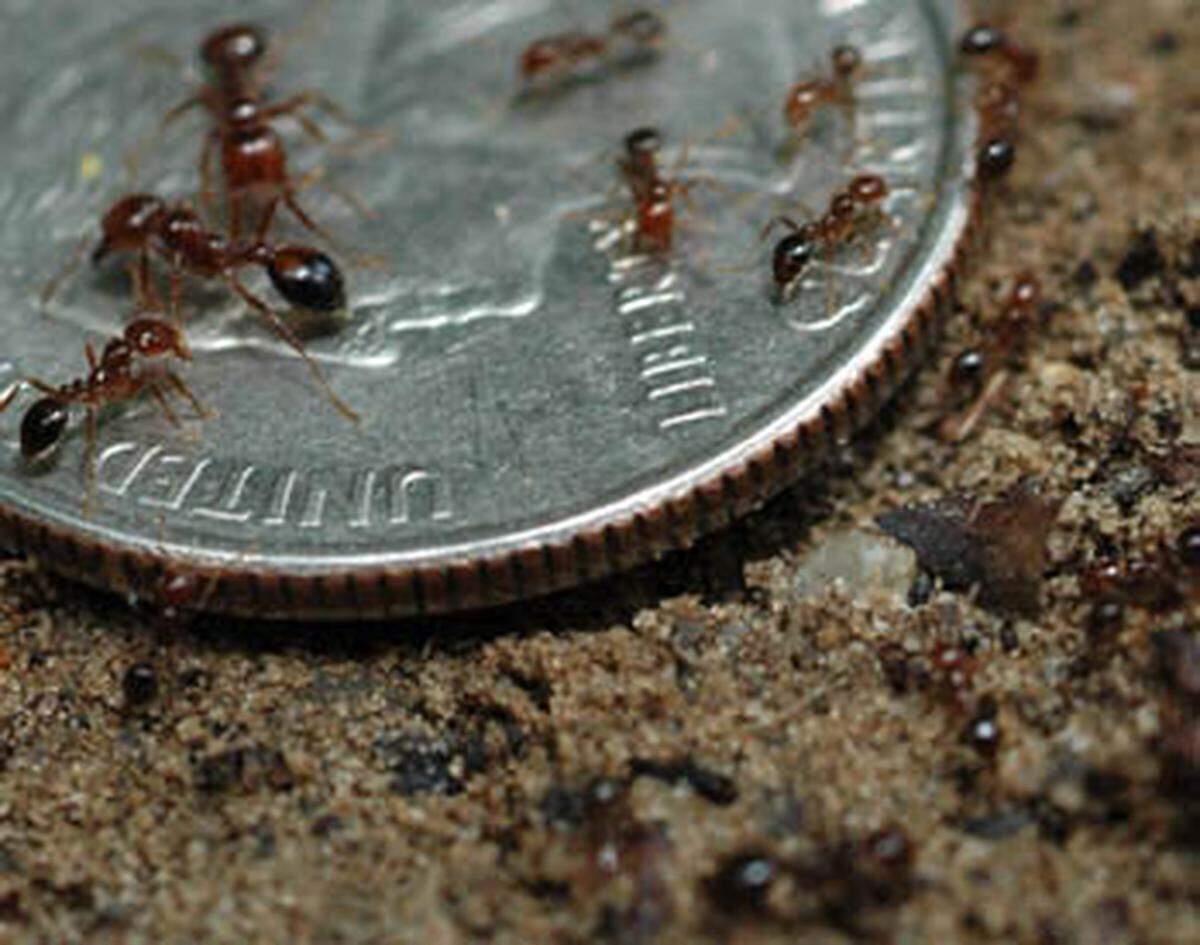
Other common ants found in the state include the carpenter ant, characterized by their large, black bodies, and fire ants, known for their red color and affinity for building large mounds in yards that can be dangerous, Hayes said.
“We also have Argentine ants in North Carolina, which are a species that create these massive colonies,” said Hayes. “They don’t sting, but they can be incredibly pesky and hard to deal with.”
Why do ants go into homes?
Ants typically go into homes for one of two reasons, Hayes said: to find food or water.
“If we’ve been in a drought for two weeks and there’s not a lot of excess water outside, they’re going to start looking for water elsewhere,” Hayes said. “And they can easily find their way into your house.”
The most common food sources that draw ants are sugary products like spilled drops of soft drinks or fruit juices, candy, jellies, cookies and over-ripe fruit, according to BobVila.com, an online resource for home improvement tips.
Some species of ants are known to swarm protein-rich and fatty foods, BobVila.com says, like bits of meat or eggs, pet food, nuts, cheese and butter. They also look for sources of water in bathtub drains, dishwashers, wet wood and damp basements.
How to identify an ant infestation
Hayes said homeowners can identify ant infestations by looking for trails of ants.
“They love areas of your home that are damaged by water,” Hayes said. “That might be areas around doorways or windows, where you’ve had run off from your guttering and stuff like that.”
“Another place that ants love to set up is in your gutters,” he added. “If your gutters haven’t been cleaned, and they just have a layer of dirt and leaves, that can be the perfect habitat for some ant species to build a colony in.”
Signs of ant infestation vary, depending on which type of ant colony is present, according to Carolina Pest Management. Other common signs of a possible ant problem include:
Ant nests: Ant nests are typically found above the ground, but certain types of ants can create nests below the ground.
Stray wood debris or shavings: Carpenter ants can tunnel through wood to make their nests, leaving behind sawdust or wood shavings.
Live worker or foraging ants: Any ants in your home can be a sign that an ant colony is nearby, as they often leave their nests in search of food.
How to keep ants out of your home
Making sure windows and doors are sealed, and trimming overgrown trees and bushes can help keep ants away, Hayes said.
“If you have bushes along the side of your foundation, and the branches of those bushes or the leaves are pushed up against the side of your house, that is an easy way for ants to go from nature into your structure, so keeping those cut back is important,” Hayes said.
Here are some ways to control ants in your home, according to the NC State University Extension, including:
Clean up any food spills and crumbs as quickly as possible.
Rinse containers before putting them in the recycling bin.
Remove food debris from your sink after washing dishes.
Store food in air-tight containers or in the refrigerator.
Do not leave pet food out.
Check interior and exterior water sources in your home for leaks.
Keep mulch, leaves and vegetation 10-12 inches away from your home’s foundation.
Store piles of lumber and firewood away from your home.
If you already have an ant infestation, the best thing to do is contact a licensed pest control company for help.
How to use bait to trap ants
You can also buy bait to trap ants, but there’s a key piece of information to remember when using it, Hayes said.
“Once they’re eating the bait, you can’t kill them,” Hayes said. “The way it works is, they take that bait back to the nest and it kills the queen. There ant colonies that you could squish 90-95% of the colony, and if the queen lives, they will come back. So the only way to get rid of an ant infestation or to kill ants around your property is to kill the queen.”
You can consider:
Gel baits: You can apply this to the hidden areas of your home.
Granular baits: These can be put into the yard, helping attack the problem from the inside and outside.
General liquid pesticides: Ready-to-use sprays can be applied to the foundation to discourage ants (and other insects) from entering in the first place.
An important note: If you are using bait, do not spray ants or ant trails with chemical products, such as Raid aerosols, to kill them. This will contaminate the bait, and you’ll be back to square one.
Are ants dangerous?
Compared to other insects, most ants are harmless, Hayes said, adding that, unlike mosquitoes, ants do not carry diseases that can infect humans.
“The worst thing they do to us, apart from being in our house and our stuff, is stinging us, and that’s only some of them,” said Hayes.
Fire ants are among the most common stinging ant in North Carolina, Hayes said, and their stings can be life-threatening in small children and pets in some cases.
According to Clevland Clinic, the symptoms of a fire ant sting happens in four stages:
First, you’ll experience a burning or stinging sensation.
Within about an hour, itchy bumps or welts will develop. The bumps are usually in a circular or semicircular pattern and typically last for several hours.
After several hours, blisters will develop where the bumps were located. They’re usually very itchy.
About a day or so later, the blisters fill with a yellow or white pus-like fluid. They should go away within seven to 10 days.
Some people can experience more serious symptoms, such as stomach cramps, diarrhea, nausea and anaphylaxis, or a severe life-threatening allergic reaction, Hayes said. As always, contact your doctor if you are concerned about any insect bite or sting.
This story was originally published March 31, 2025 at 4:37 PM with the headline "Ants march into NC homes each spring. Follow these pest control expert tips to keep them out."