Can NC officers facing criminal charges carry a badge? Here’s what we know
One small town fired police officer Mark Oakley after people complained he’d used excessive force by shocking them with a Taser without cause. Despite that, another small town police force employed him part-time.
Last week, federal officials revealed they’d indicted Oakley on excessive force charges. If convicted, he could spend time in prison.
This recent development raises questions, including this: Can an officer facing such an indictment continue to carry a police badge in North Carolina?
It’s up to law enforcement agencies to take action after an indictment, but a state commission could step in if it determines the officer is a danger to the public. Officials in Littleton, where Oakley was still employed after the town of Warrenton fired him, did not respond to questions about his employment on Friday.
On Monday, Oakley resigned from the police force, acting Littleton Police Chief Donald Duke wrote in an email. “Officer Oakley did not work any from the time of his indictment until he resigned,” the email stressed.
Here’s what we learned about the case, the charges, potential prison time and related statewide police policies.

When was Mark Oakley indicted?
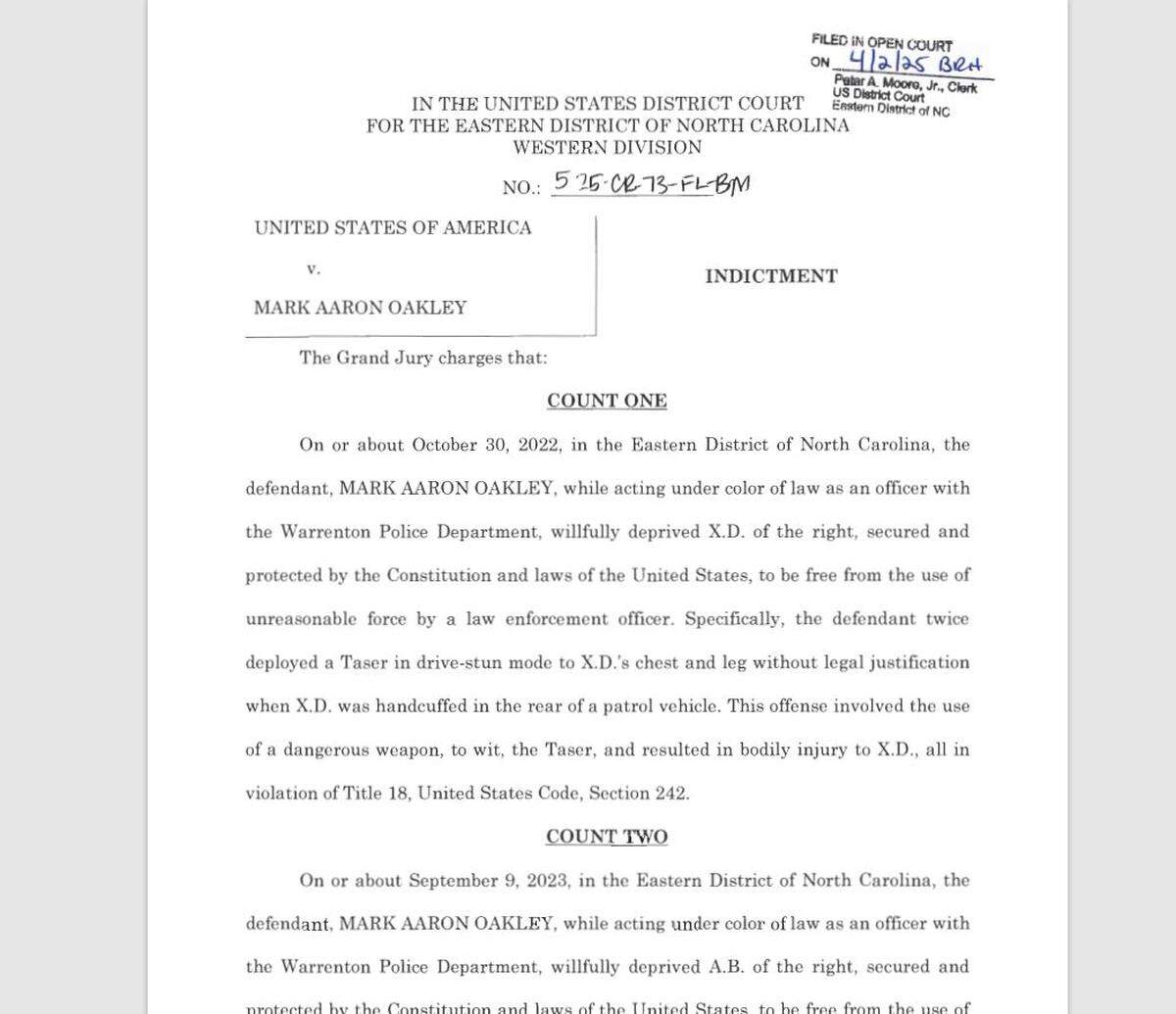
On April 2, a federal grand jury indicted Oakley on three counts of violating people’s rights by using his Taser for excessive force while on the job for the town of Warrenton.
The indictment alleges three instances in which Oakley used a Taser on people who weren’t a threat.
Oakley violated one person’s rights on Oct. 30, 2022, when he deployed a Taser in drive-stun mode, pushing probes directly onto the person’s chest and leg while the person was handcuffed in the back of a patrol car, the indictment states.
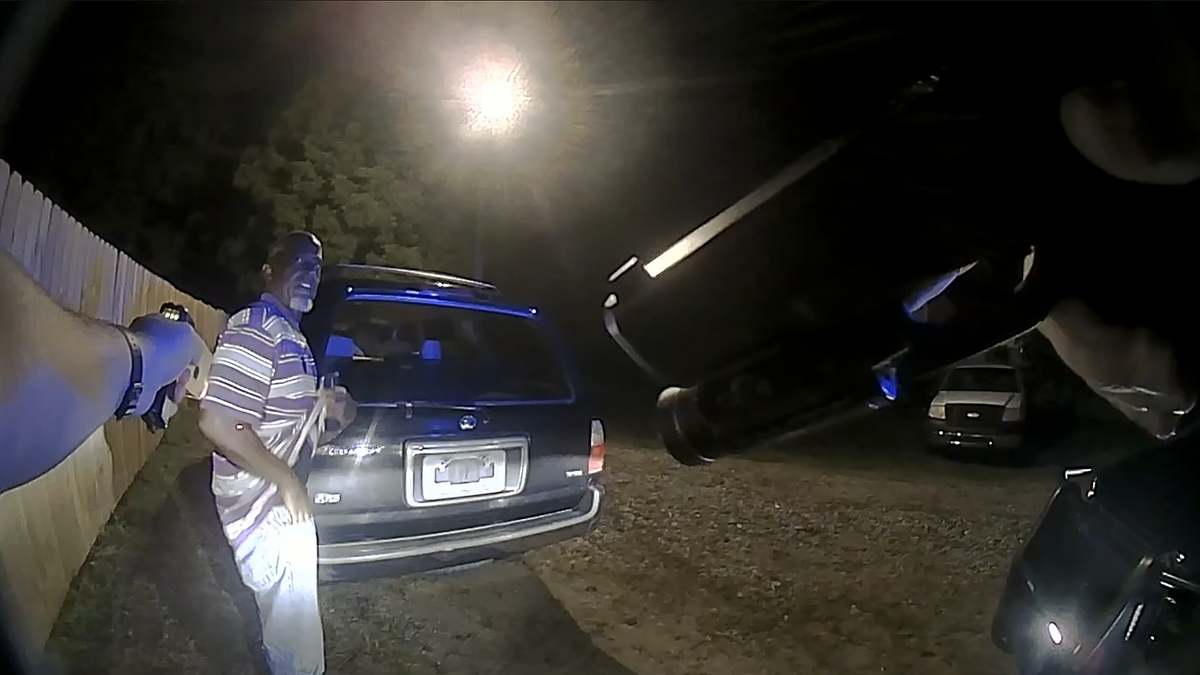
In the second instance, Oakley used on Sept. 9, 2023 a Taser on a man twice, including while he was lying on the ground and putting his hands behind his back, the indictment states.
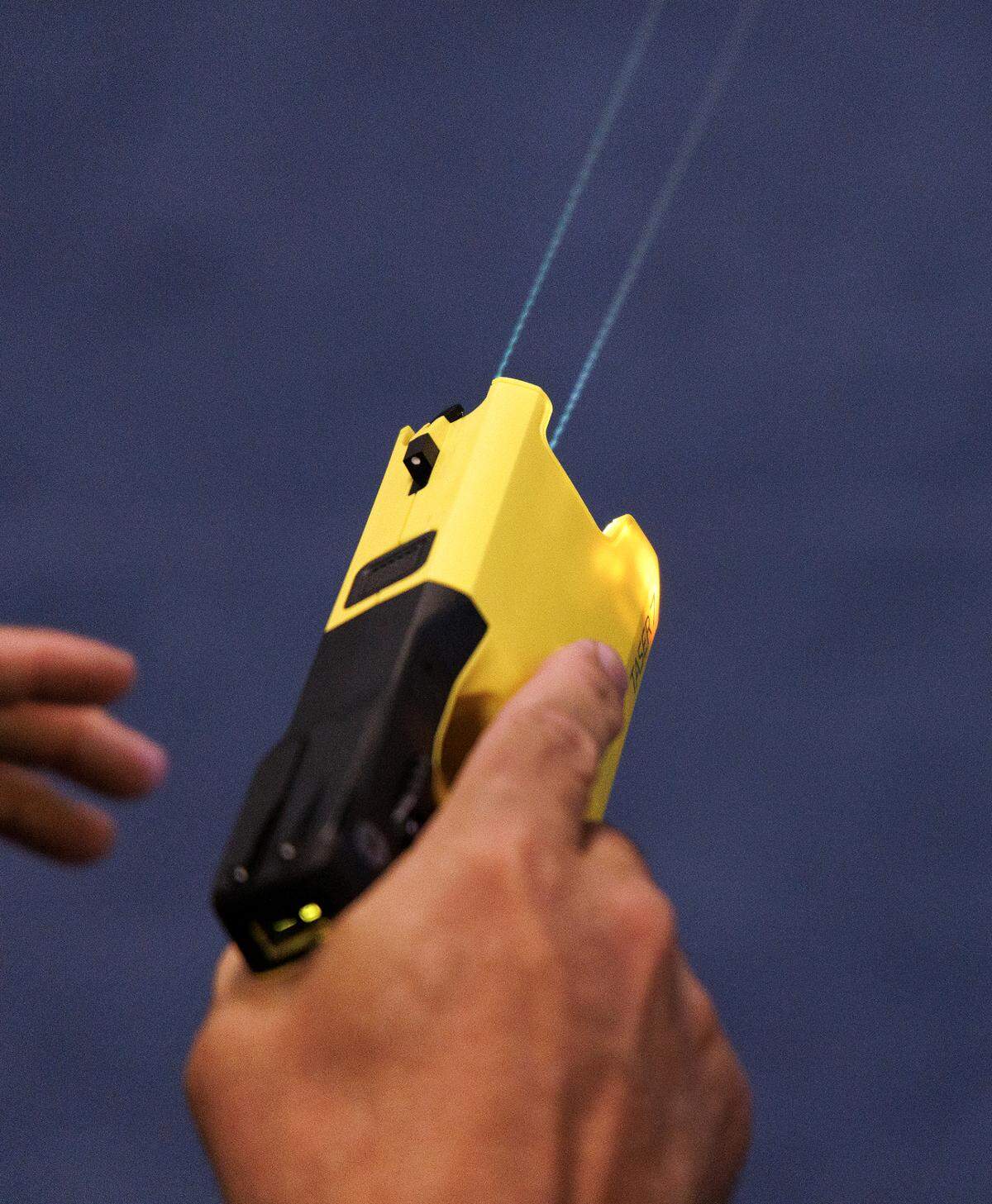
In the third, Oakley used on Nov. 27, 2023 his Taser on a woman trying to get out of a car and a second time while she was on the ground, the indictment states.
The indictment was sealed from the public view until Oakley turned himself in at the U.S. federal courthouse in downtown Raleigh on April 9.
“If the name of the defendant were to be made public prior to arrest, the chances of apprehending the defendant or apprehending the defendant without threat of violence or public commotion would be significantly reduced,” Assistant U.S. Attorney Erin Blondel wrote in a motion to seal the indictment.
Before a judge released Oakley, he banned him from possessing a firearm or other weapons and leaving the jurisdiction of the federal Eastern District of North Carolina, one of three federal court districts across the state.
What is “deprivation of rights under the color of law”?
The federal indictment charges Oakley with three counts of what the federal law calls the “deprivation of rights under the color of law.”
This provision makes it a crime for officers, deputies, prison guards and other on-duty government officials to deprive a person of rights protected by the U.S. Constitution or United States laws, according to the U.S. Department of Justice.
If the victim wasn’t hurt nor threatened with a dangerous weapon, someone convicted on the charge could face up to a year in prison. But if a threat of injury or an actual injury occurred, a person convicted could face up to 10 years in prison. If a death occurred, it could result in a 10-year to lifetime sentence.
Oakley’s indictment described his Taser as “a dangerous weapon” that “resulted in bodily injury in each of the three counts,” meaning he could face a maximum sentence of up to 10 years on each count.
To secure a criminal conviction, according to the law, the prosecutor has to prove:
- Oakley was working as an officer when he used his Taser.
- Oakley knew what he was doing was wrong
- Oakley violated a person’s right to be free from unreasonable force.
How often are people charged, convicted?
From 2012 to 2023, 1,337 people were charged with deprivation of rights nationally in federal courts, according to the U.S. Bureau of Justice Statistics.
In 2023, 34 pleaded guilty to the charge, and eight more were found guilty by a jury. That year, 30 people convicted of the crime were sentenced to prison time and 11 people to probation, according to the statistics.
In North Carolina, a jury in 2019 convicted Hickory Officer Robert George of depriving a woman of her rights to be protected from excessive force and sentenced him to probation, The Charlotte Observer reported. On appeal, a higher court threw that sentence out and sentenced George to three years in prison in 2022.
George had yanked a woman from the back of a patrol car and pushed her face into the pavement, injuring her face, teeth and head, according to a Department of Justice press release.
If officer facing charge is not fired, what can state officials do?
The North Carolina Criminal Justice Education and Training Standards Commission sets training and ethical conduct standards for officers across the state. It also oversees the certification process for police officers across the state.
Under state rules, most officers must report the arrest and final case disposition to the commission and the head of their agency within five days, according to information provided by Chris Blue, the chair of the commission and a former Chapel Hill police chief turned town manager.
Once notified, the commission would open an investigation and monitor the case until it concludes. Whether the officer continues to work during, is placed on administrative leave or fired, it ultimately up to the agency that employed the officer, the information states.
Commission rules allow the commission to suspend the officer’s certification “in cases where there is a clear danger to public safety or health” even if the agency has allowed the officer to continue to work.
Oakley’s work history
Since February 2024, The News & Observer and other North Carolina news outlets had reported on the State Bureau of Investigation investigating whether Oakley repeatedly used excessive force.
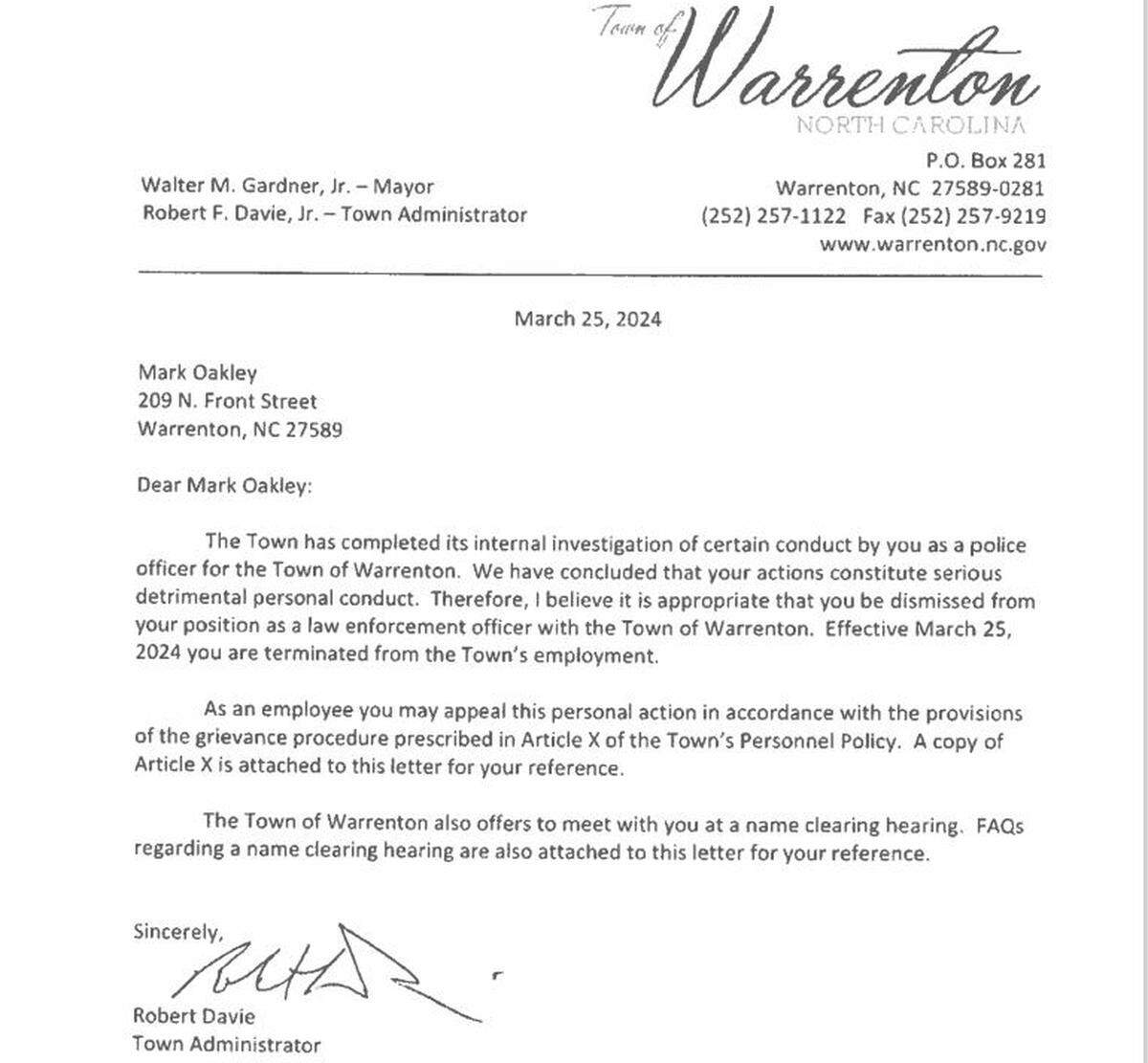
In March 2024, the town of Warrenton fired Oakley amid an investigation accusing him of unjustly harming people with his Taser, according to his termination letter and court documents.
An internal investigation concluded “your actions constitute serious detrimental personal conduct,” states Oakley’s termination letter.
The investigation indicated that Oakley used his Taser “before utilizing de-escalation tactics” and didn’t appear to be in “immediate danger or physical harm,” according to court documents.
Meanwhile, Oakley had also been working as a part-time officer for the nearby town of Littleton, where he continued to work during the investigation.
Oakley was employed as an officer in Littleton from February 2018 until he resigned on April 14, the town’s acting police chief said. He previously worked for the town from 2015 to 2017, according to information from Littleton Police Chief Phillip Trivette.
In an interview after Warrenton fired Oakley, Trivette said he had no concerns and had not heard any complaints about officer Oakley policing in his community.
“Not one complaint about anything since he worked here, not use of force, not anything,” Trivette said then.
In his email, Littleton’s acting police chief also revealed that Trivette will retire in May. Trivette was taking time off until then, the message said.
The News & Observer called and texted Oakley and sent an email to his attorney.
“Do not contact me again,” Oakley responded.
NC Reality Check is an N&O series holding those in power accountable and shining a light on public issues that affect the Triangle or North Carolina. Have a suggestion for a future story? Email realitycheck@newsobserver.com
Virginia Bridges covers criminal justice in the Triangle and across North Carolina for The News & Observer. Her work is produced with financial support from the nonprofit The Just Trust. The N&O maintains full editorial control of its journalism.
This story was originally published April 15, 2025 at 11:17 AM.