
Will tariffs really raise prices in NC? How your daily life may soon cost more
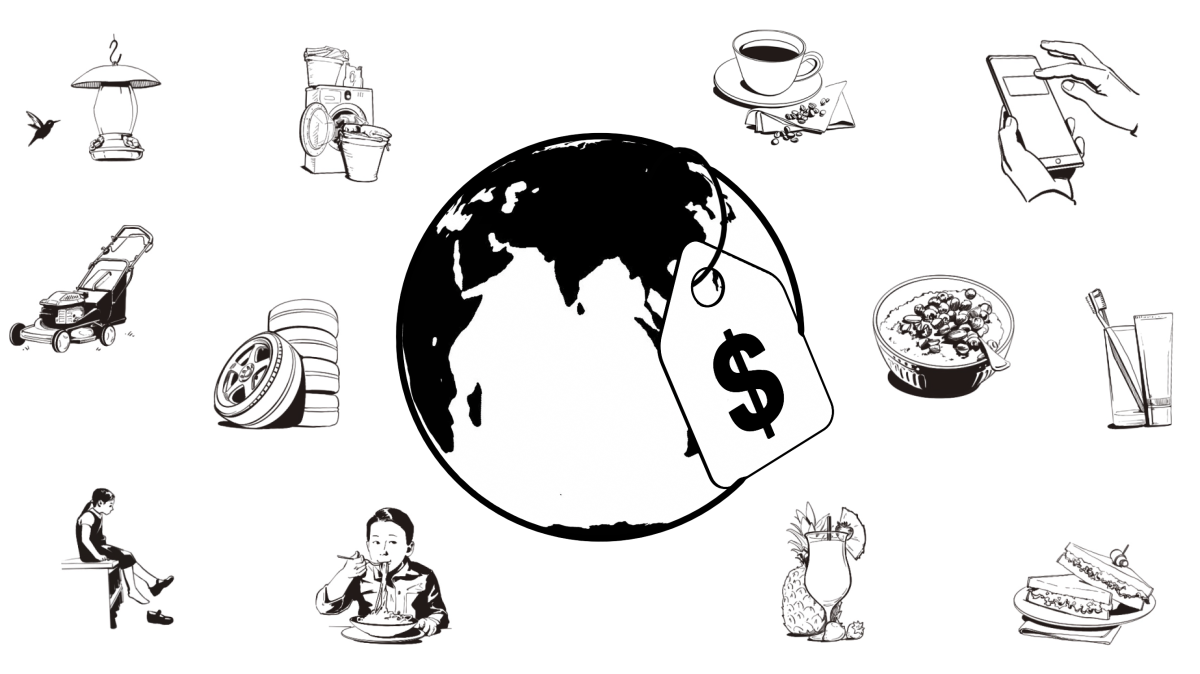
President Donald Trump’s proposed tariffs are expected to make products imported to the United States more expensive.
The tariffs, which are taxes on goods entering a country, will help American manufacturers, Trump has said.
But buying items made by American brands may not allow consumers to avoid tariffs.
Here’s a look at just how much of a typical family’s day in North Carolina involves imported goods.
6 a.m.: From the moment you wake up ...
Teeth-brushing is among the first activities done in the morning. Crest and Colgate are toothpaste brands that manufacture products in Mexico and Canada. Toothbrushes are imported from China and Switzerland, and Oral B electric toothbrushes are made in Germany.
Some of us can’t live without the morning cup of joe. Bad news: Most coffee beans are produced in Brazil, Vietnam and Colombia. And most coffee makers are made in China and Indonesia.
Even the drinking water you pour into your China-made Keurig — or use to fill up your China-made Stanley tumbler — might depend on imports. Inside many water filters is carbon made from coconut shells, which come from Sri Lanka, Indonesia and other countries in Southeast Asia. Brita filters are made in the United Kingdom and Germany.
Time for breakfast.
Many grocery store staples could become more expensive. The U.S. imports bananas from countries throughout North and South America. To the chagrin of many parents, sugar is a big ingredient in many breakfast cereals; about a third of our nation’s sugar is imported from 70 countries.
Some of the butter that tops your stack of pancakes or spreads over your biscuit may be imported from Ireland or New Zealand. Oatmeal is a healthier breakfast option, but the cinnamon sprinkled on it may be imported from Sri Lanka or Vietnam.
7 a.m.: Getting the kids ready for school
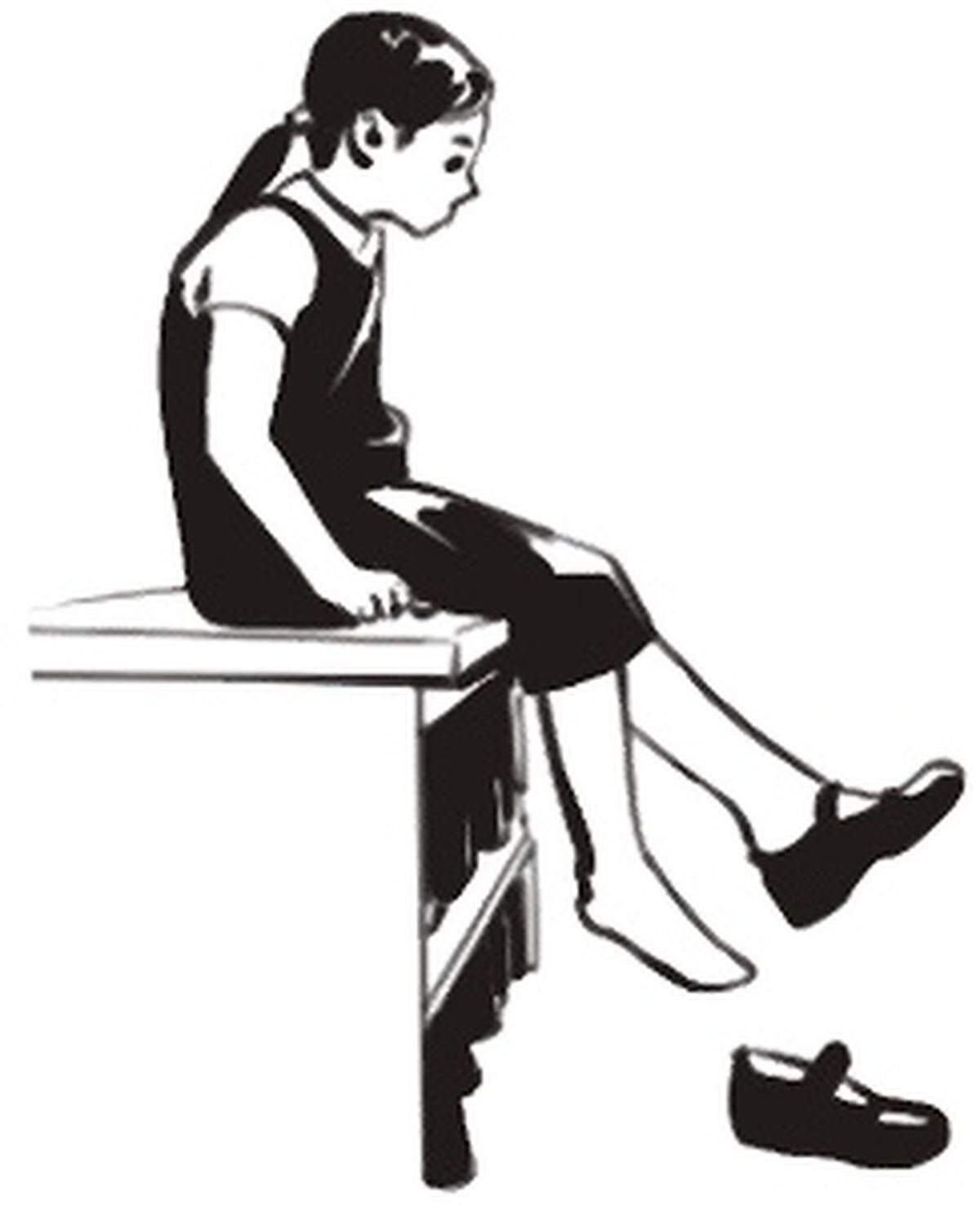
It may come as no surprise that most of the clothes we wear are made abroad. Did you know that 97% of clothing sold in the U.S. is imported from Asian countries, such as China, India, Bangladesh and Vietnam?
Your official Tar Heels T-shirt might have come from Honduras or Bangladesh. The UNC hat you throw on to protect your noggin from the sun may have been imported from Vietnam, and the N.C. State Wolfpack cap could have been imported from China.
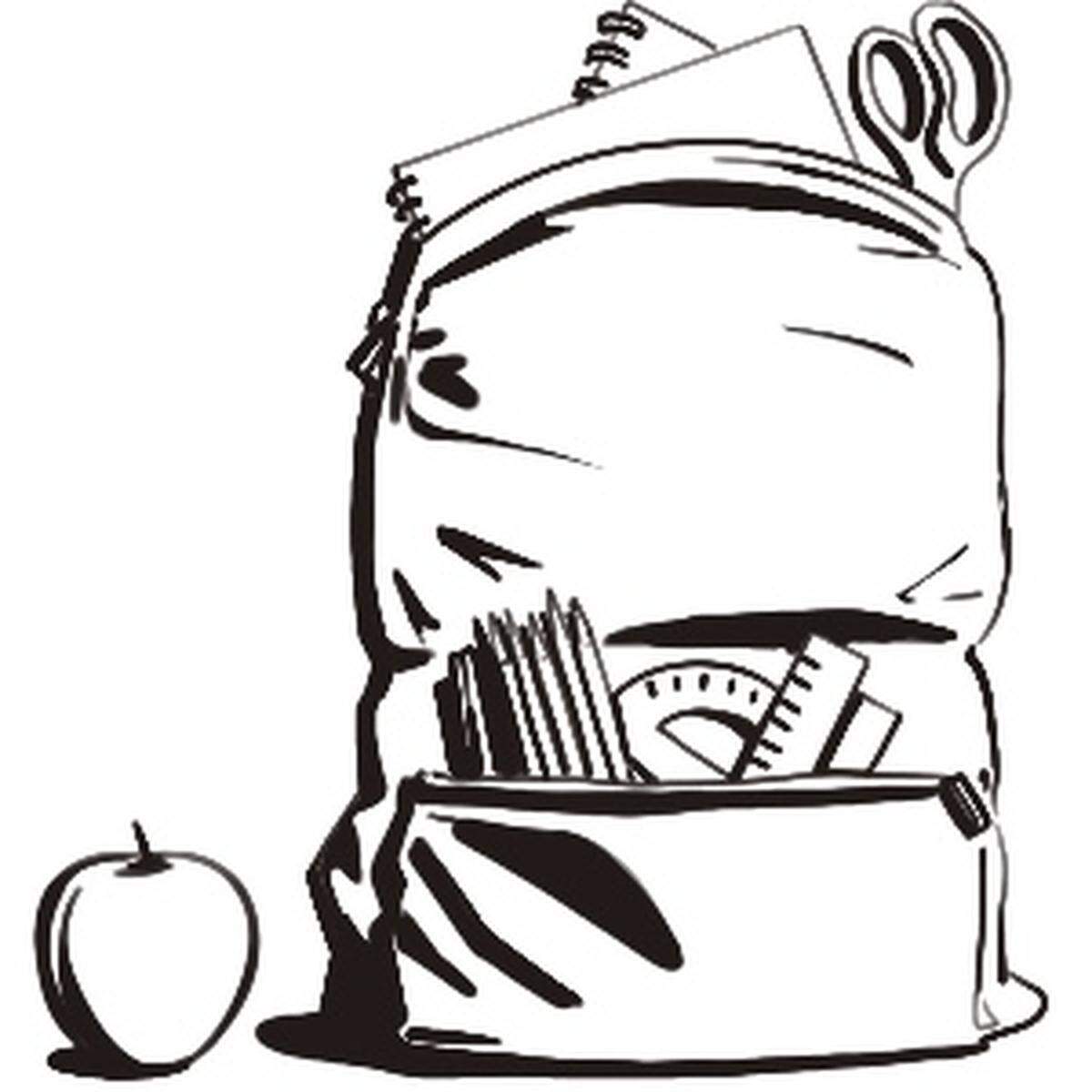
Here’s a pop quiz for the kids heading to school: How many items in your backpacks are “Made in America”?
Answer: Probably none.
China is the primary exporter of pencils and crayons to the United States. For paper notebooks, China and Vietnam are top exporters. Children’s lunchboxes are made in China. And backpacks? You guessed it: China, Vietnam or India.
President Trump on Friday exempted smartphones, computers and other electronics from some of the tariffs. So we probably won’t see iPhones, which are manufactured in China, skyrocket in price immediately. But Samsung Galaxy phones are made in India and Vietnam.
What about youth sports equipment? China, once again, is the top exporter to the U.S. Whether it’s basketballs, baseball gloves or soccer balls, it likely came across the Pacific.
8 a.m.: Commuting to work
Take a look around your car, as you sit in Triangle traffic.
If you have navigation, many GPS modules are produced in China, while essential components like chipsets and sensors are primarily manufactured in Taiwan and South Korea.
Keyless vehicle systems often involve high-tech electronics sourced from Japan and South Korea, while more traditional components (like the actual locks) sometimes come from engineering hubs in Europe, with Germany being a prime example.
The gasoline in your tank likely came from domestic crude, including Texas wells. But some ingredients have international roots. Crude oil blend is used by U.S. refineries to mix in some oil imported from places like Canada, Mexico and parts of the Middle East (think Saudi Arabia), with a few drops coming from West African suppliers. Other additives that boost performance often come from Europe.
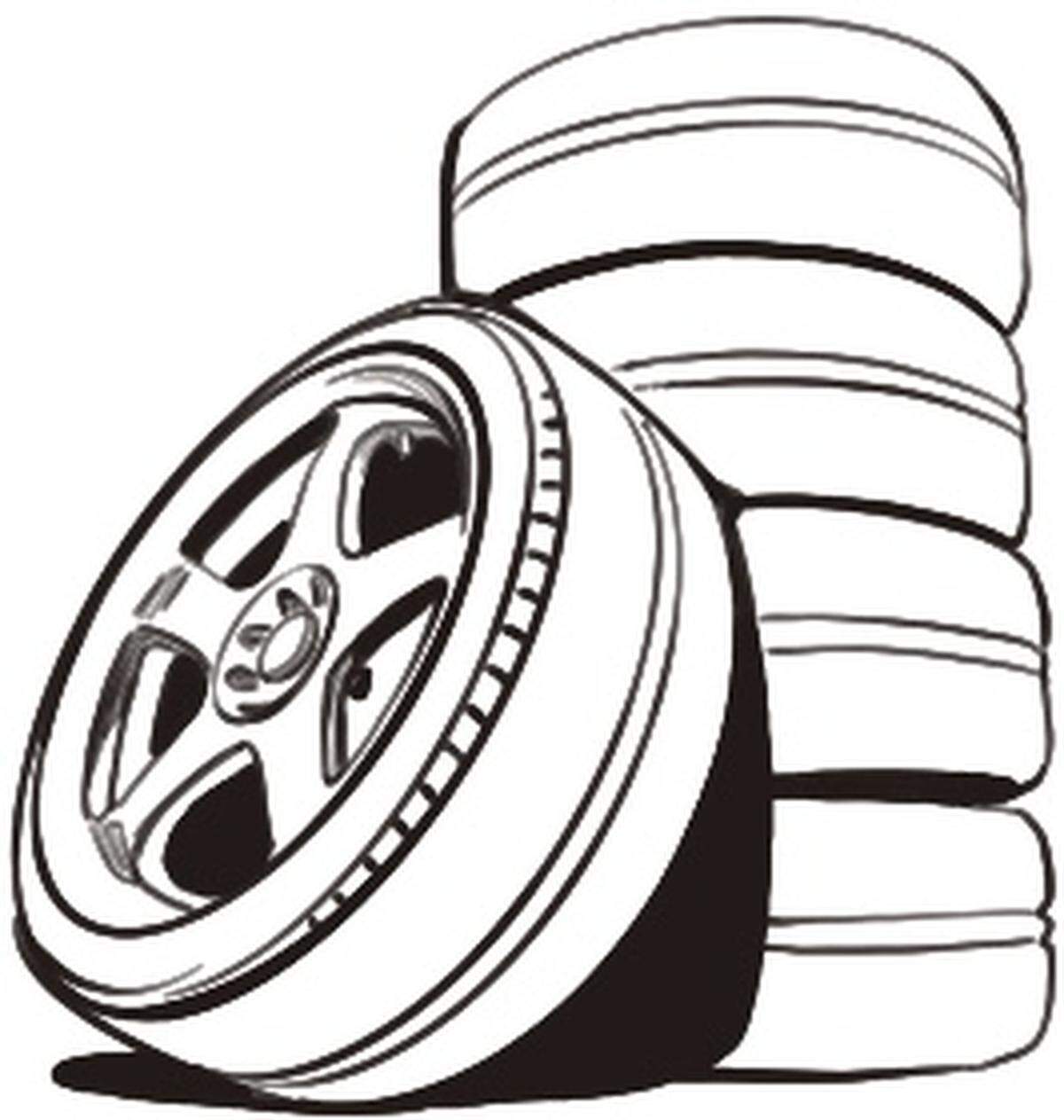
How about your tires? Goodyear has plants in nearly two dozen countries. In a 2015 study, Consumer Reports noted that it tested tires from Pirelli — a company with Italian roots — that were made in Mexico and Russia. Mexico, in fact, was the third-largest manufacturer of the tires tested.
12 p.m.: Let’s grab some lunch
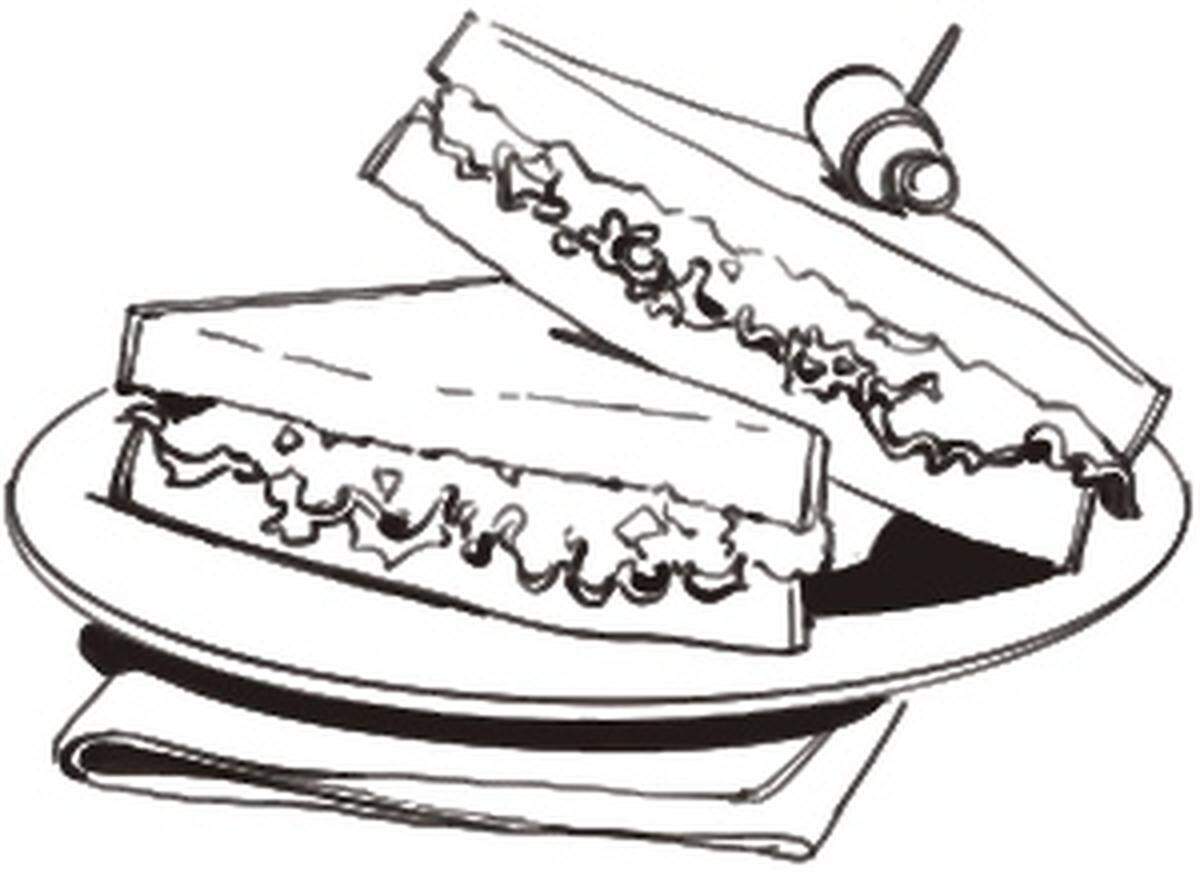
A chicken or turkey sandwich is American, right? North Carolina is one of the top states in the country for chicken, egg and turkey production. But, farmers may import parts for their farm machinery and potash to add to poultry feed. Canada is the biggest exporter of potash, which is also used in fertilizers, followed by Russia.
Cheese can come from North America — or Italy, France, Spain, the Netherlands or Switzerland. And tuna fish comes from Southeast Asia.
5 p.m.: Quittin’ time!
If you stop for a drink on your way home, your cocktail of choice may come with a twist of tariffs.
Imported wine and spirits account for nearly 35% of the entire U.S. beverage alcohol market by volume.
Many brands of vodka come from Sweden, France and Poland. Most whiskey comes from Scotland. And Americans drank $7.5 billion in imported beer last year, the vast majority from Mexico (and don’t forget the aluminum in the cans).
6 p.m.: Chores around the house
There’s no rest for the weary.
Laundry: There’s a good chance your washing machine or its parts were made abroad. In 2024, the U.S. imported $2.3 billion in washers, mainly from China, Mexico, Thailand, South Korea and Vietnam.
Dishwashers: Most are manufactured in the U.S. (Bosch, Whirlpool, KitchenAid, GE). However, Samsung manufactures some in South Korea and China. LG also operates some in South Korea.
Lawn mowers: Many brands have production facilities in China, including some parts for brands like Snapper. Brands like Makita are known to produce mowers in China. EGO and Kobalt are made by the same Chinese company, Chervon. Honda and Kubota are Japanese manufacturers.
Tending the garden: Canada supplies nearly 10% of the U.S. nitrogen fertilizer needs, accounting for 25% of nitrogen fertilizer imports. Canada also supplies nearly 20% of sulfur consumed by U.S. farmers and others. The U.S. depends on Canadian potash, and tariffs could significantly affect the price and availability of fertilizers.
Feeding the birds: Nyjer seed, also known as thistle seed, is a must for attracting colorful finches. It is primarily grown in Africa and Asia, with the majority coming from Ethiopia and India.
7 p.m.: Dinner time
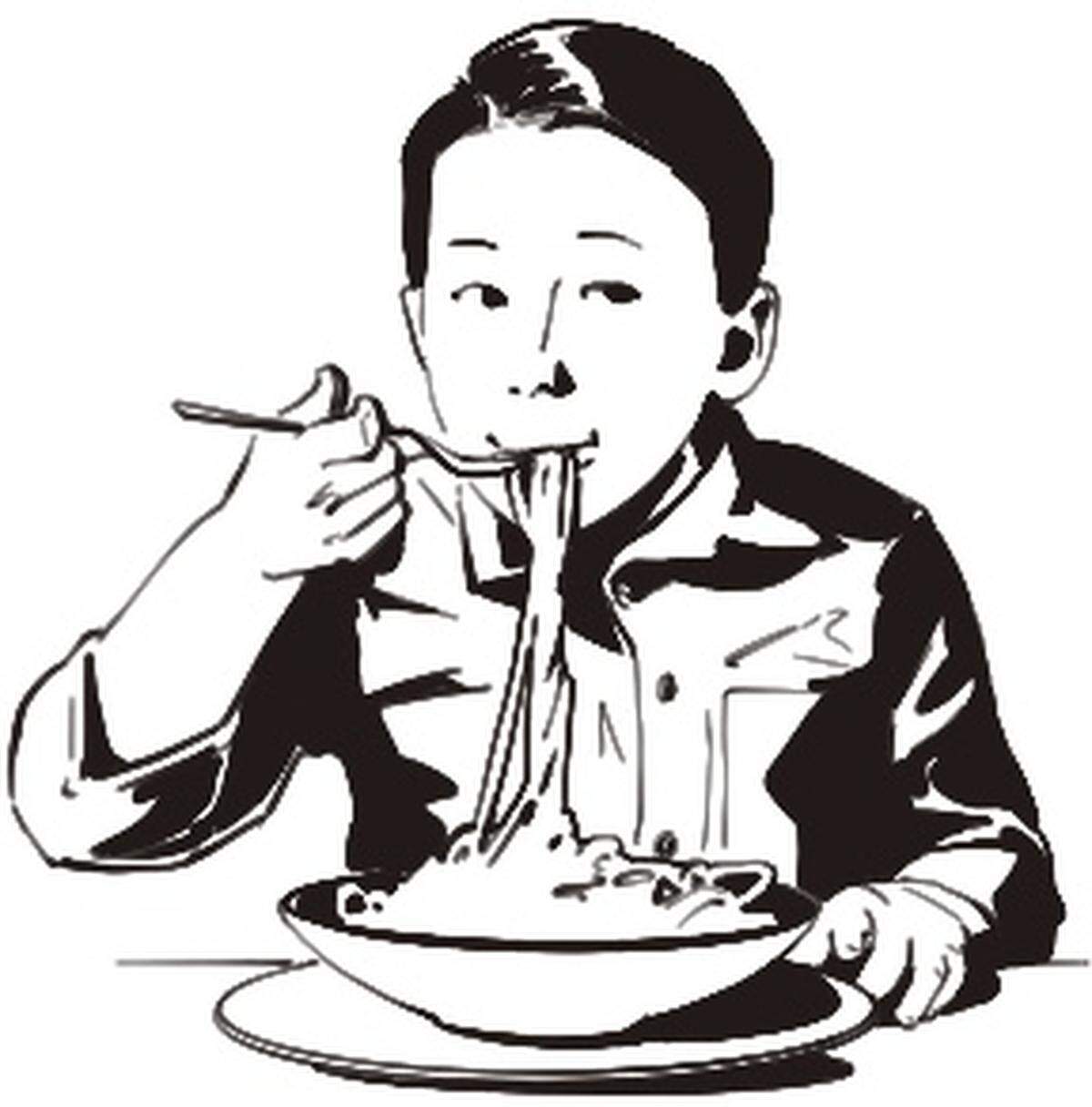
Perhaps you’re more of an All-American burgers and apple pie kind of cook, but your kitchen is truly international.
Cuisinart pots and pans are manufactured in China and France, while Le Creuset is also made in France. (Another popular brand, All-Clad, is U.S. made.) Cutlery comes from all over, but leading exporters are China, Germany, Poland and Mexico.
Microwave brands Panasonic and Toshiba have factories in China, while LG is out of South Korea and China. Samsung microwaves come from South Korea, China and Vietnam.
Americans also love pasta. So much so that last year, we imported $1.75 billion in noodles, from spaghetti to macaroni. Most of it came from Italy, followed by South Korea, Canada, China and Thailand.
8 p.m.: Relaxing on the couch
Time to kick back on the couch (likely imported) and browse Facebook or, better yet, catch up on the latest news from The N&O.
If you’re watching a Samsung or LG television, it came from Mexico. The kids’ Nintendo or PlayStation came from Vietnam or China, respectively.
But perhaps with all this head-spinning news about tariffs, you prefer to relax before bed with a good book. We have some good news for you: America is, by far, the world’s biggest producer of good old-fashioned books.
This article was produced by Star-Telegram journalists Brayden Garcia, Ella Gonzales, Jake Harris, Tiffani Jackson and Matt Leclercq; and McClatchy illustrator Rachel Handley and graphics director Sohail Al-Jamea.
This story was originally published April 18, 2025 at 6:00 AM.