Do people without legal authorization have to comply with ICE in NC?
AI-generated summary reviewed by our newsroom.
- Immigrants without legal authorization may remain silent and request legal counsel.
- ICE agents can't enter homes without probable cause, consent or a judicial warrant.
- Immigrants concerned about deportation should seek legal counsel and plan ahead.
People who have entered or are living in the U.S. without legal authorization have rights. In North Carolina, there are about 315,000 people living in the U.S. without authorization, The Charlotte Observer previously reported.
The N&O previously spoke with an immigration attorney at the Durham firm Brown Immigration Law and the Siembra NC organization, which works to support families and communities affected by ICE, to learn what people should know about dealing with ICE.
Do you need to answer ICE’s questions?
Everyone in the United States has the right to remain silent, Rishi Oza, a partner at Brown Immigration Law, told The N&O in a phone interview.
“No one has an obligation to speak to, quite frankly, any law enforcement officer, unless there’s a warrant or something along those lines, some kind of subpoena to speak before a court,” Oza said.
However, Oza said he recommends that people be polite and not argumentative when dealing with officers.
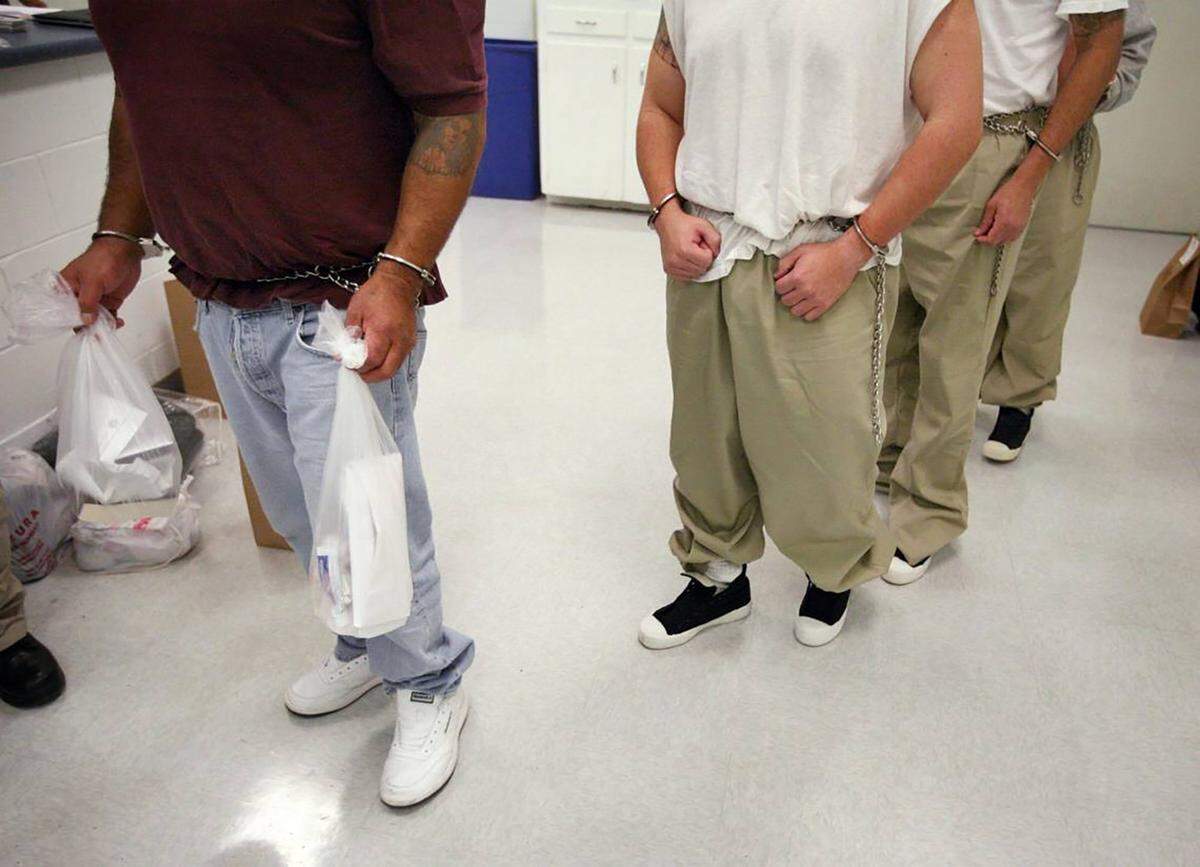
“You can always say, ‘I’m remaining silent and I’m asking for an attorney,’” said Kelly Morales, a co-director of Siembra NC.
According to the American Civil Liberties Union of North Carolina, if you’re pulled over while driving, an officer can require you to show your license, vehicle registration and proof of insurance, and write your name and address or the name and address of the vehicle owner. But individuals are not required to answer questions about their immigration status.
Do you need to let ICE into your home or business?
ICE agents are not allowed to enter your home without your consent, probable cause or a warrant signed by a judge, Oza said.
Even if ICE agents have a judicial warrant that allows them to enter and search private property, you can still remain silent and ask for an attorney.
“Not opening the door until we can confirm that there’s a judicial warrant with your name on it signed by a judge — it’s really vital,” Morales said.
The law is more vague when it comes to businesses, Oza said, because they are quasi-public places.
ICE will typically have a warrant or document that allows them to enter a business and search for people who are living in the country illegally, Oza said.

”I would say it’s relatively rare, in my experience, that ICE is just going to walk into a restaurant and say, ‘We need to check this place out’ and go searching into the back,” Oza said.
Though not an attorney, Morales also stressed that business owners are not required to comply without a warrant.
“They’re counting on business owners, they’re counting on managers, they’re counting on people at the door, people in their cars to actually consent to having a conversation with them and consent to starting an apprehension process,” Morales said.
What should you do if you are concerned about being deported?
There are multiple groups of people who may be deported, The N&O previously reported. They include:
- Immigrants who have been convicted of a crime, who pose a threat to public safety, violate their visa or cross the U.S. border illegally
- People whose temporary protection status is revoked, including Deferred Action for Childhood Arrivals
People who are worried about deportation or expedited removal should meet with an immigration attorney who can help individuals understand their options, Oza said.
“Since the election, we’ve seen an uptick in the number of people that have been coming into the office and just kind of asking about, hey, what are my options? And a large majority of these folks have options they can pursue. They just never bothered doing it,” Oza said.
He also recommends reducing the likelihood of encountering law enforcement. This can be done by avoiding driving and instead using public transportation and refraining from activities such as driving drunk.
The National Immigrant Justice Center outlines several steps to protect against deportation:
- Consult with a licensed attorney or accredited representative.
- Create a safety plan. Memorize contact information for emergency contacts, and make sure emergency contacts can make medical and legal decisions for children.
- Keep identity and financial documents in a safe place that emergency contacts can access.
- Be aware of digital scams, including social media posts promising new or quick immigration relief. The U.S. government does not typically contact people by phone.
This story was originally published June 11, 2025 at 1:59 PM.