Coyotes are out in NC. Here’s why, how to scare them off & keep pets safe
AI-generated summary reviewed by our newsroom.
- Coyote sightings increase in NC suburbs during late spring pup-rearing season.
- Coyotes may attack pets or small children; avoid feeding them near homes.
- Use hazing tactics like loud noises and deterrents to repel approaching coyotes.
The weather is warming up in North Carolina, which means coyotes are getting some quality time with their families.
According to the North Carolina Wildlife Resources Commission, coyote sightings are common this time of year because coyote parents are busy raising their young pups, which means they spend more time looking for food.
While you’re unlikely to spot them in urban centers like downtown Raleigh, Charlotte, or Durham, sightings are much more frequent in suburban areas, farmland and open fields, Roland Kays, a zoologist and professor at N.C. State University previously told The Charlotte Observer.
Here’s what you need to know to keep you and your pets safe.
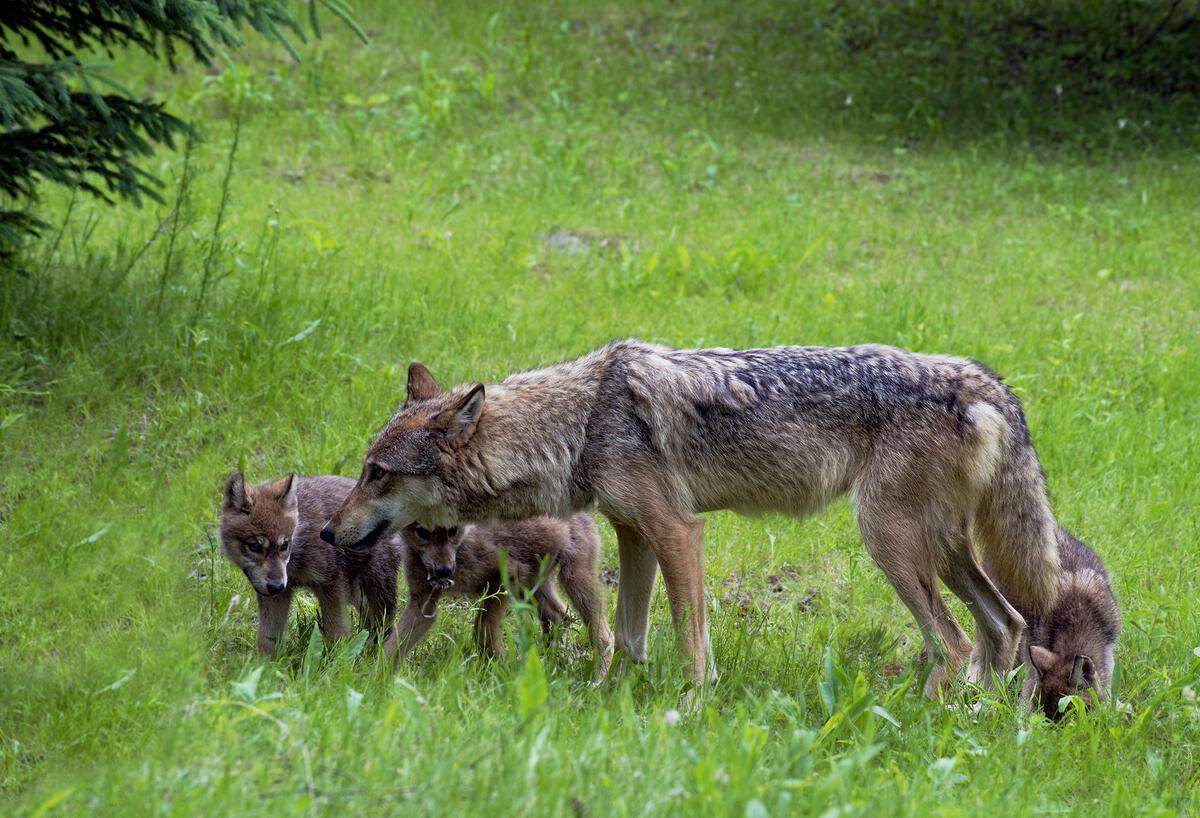
Are coyotes dangerous to humans and pets?
They can be, Kays told the Observer.
Coyotes are “opportunistic hunters,” meaning they’ll go after whatever food sources are available — from fruit to insects, said Kays.
They’re also known to pose a threat to both people and pets.
“They are known to attack cats and sometimes small dogs, and sometimes they end up attacking people that are trying to defend their dogs,” said Kays. “Sometimes they’re known to go after adults or more likely, young children under five.”
What to do if you encounter a coyote
Coyotes are generally fearful of people and less likely to approach them, but if you encounter one, you can try “hazing” — a term that refers to actions to scare coyotes away, according to CoyoteSmarts.org, an online resource for information about coyotes.
You can do this by:
Being as big and loud as possible. Do not run or turn your back.
Waving your arms, clapping your hands and shouting in an authoritative voice.
Making noise by banging pots and pans or using an air horn or whistle. These sounds can also alert the neighbors.
Throwing small stones, sticks, tennis balls or anything else you can lay your hands on. Remember the intent is to scare and not to injure.
Spraying with a hose, if available, or a squirt gun filled with water and vinegar.
Shaking or throwing a “coyote shaker” — a soda can filled with pennies or pebbles and sealed with duct tape.
What to do if a coyote attacks your pet
If a coyote bites or attacks your pet, the first step is to separate the animals, according to Angel Pet Hospital. You can do this by distracting the coyote with a loud noise or throwing an object.
Once the coyote is no longer a threat, check your pet for injuries. If the wounds are serious, wrap your pet in a towel or blanket and seek emergency veterinary care, the hospital advises.
It’s also important to verify that your pet is current on their rabies vaccination. If the vaccine is expired, your pet may need to be quarantined to rule out the risk of rabies exposure.
Reach out to your pet’s veterinarian to learn more and get proper care.
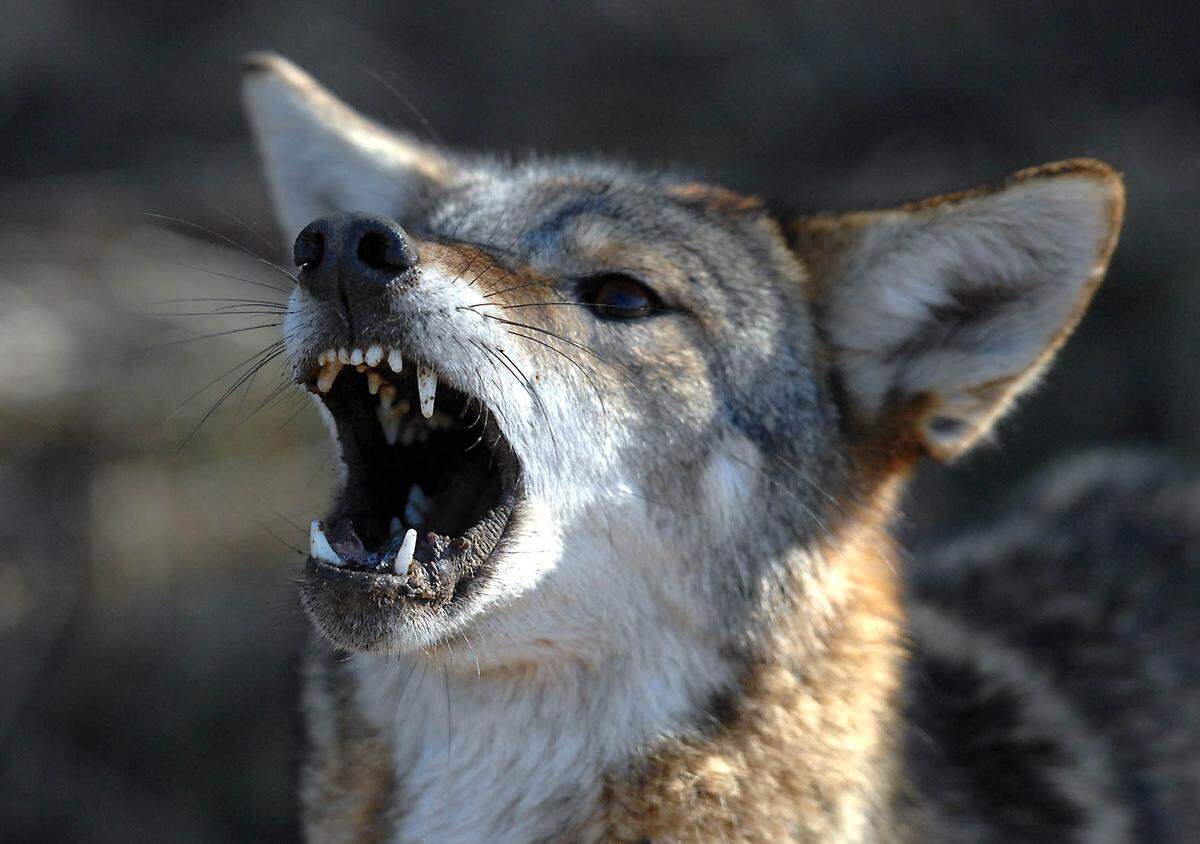
How to keep coyotes away from your home
Coyotes tend to show up near homes when there’s an important resource nearby, Kays explained.
“A lot of times, these attacks end up happening if somebody’s feeding the coyotes,” Kays said. “So that’s number one. If you want to reduce the likelihood of a coyote attack, you want to make sure nobody’s feeding the coyotes.”
Fencing can also be a useful deterrent, though Kays noted that coyotes are capable of jumping over them.
“If you have a small dog and you’re letting them out at night, you might want to keep an eye on them,” Kays said.
This story was originally published June 17, 2025 at 4:05 PM with the headline "Coyotes are out in NC. Here’s why, how to scare them off & keep pets safe."