You’ll find stinging sea lice in NC oceans this summer. How to deal with them
AI-generated summary reviewed by our newsroom.
- Thimble jellyfish larvae, or sea lice, appear seasonally along NC’s coastline.
- Larvae trigger stings when trapped under swimsuits, causing itchy skin rashes.
- Swimmers can reduce risk by checking beach alerts and avoiding tight clothing.
Forget stingrays, sharks and snakeheads — there’s another threat lurking in North Carolina’s waters this summer, and you may not even see them coming: sea lice.
Sea lice may sound like tiny parasites, but the name is misleading — they’re not lice at all and have little in common with the kind that live in hair or feed on blood.
They’re actually tiny thimble jellyfish that usually emerge when the weather warms up — and they can sting and cause an itchy rash, according to the Town of Carolina Beach.
“It is annoying,” Larry Cahoon, a marine biology professor at UNC Wilmington, previously told the News & Observer, referring to sea lice stings. “It’s the last thing you want to deal with when you go to the beach. It’s like hanging out in your backyard and the mosquitoes bite you.”
Here’s what to know about sea lice, including where they’re found, whether you’ll get stung and how to prevent those itchy rashes.
Where are sea lice found in NC?
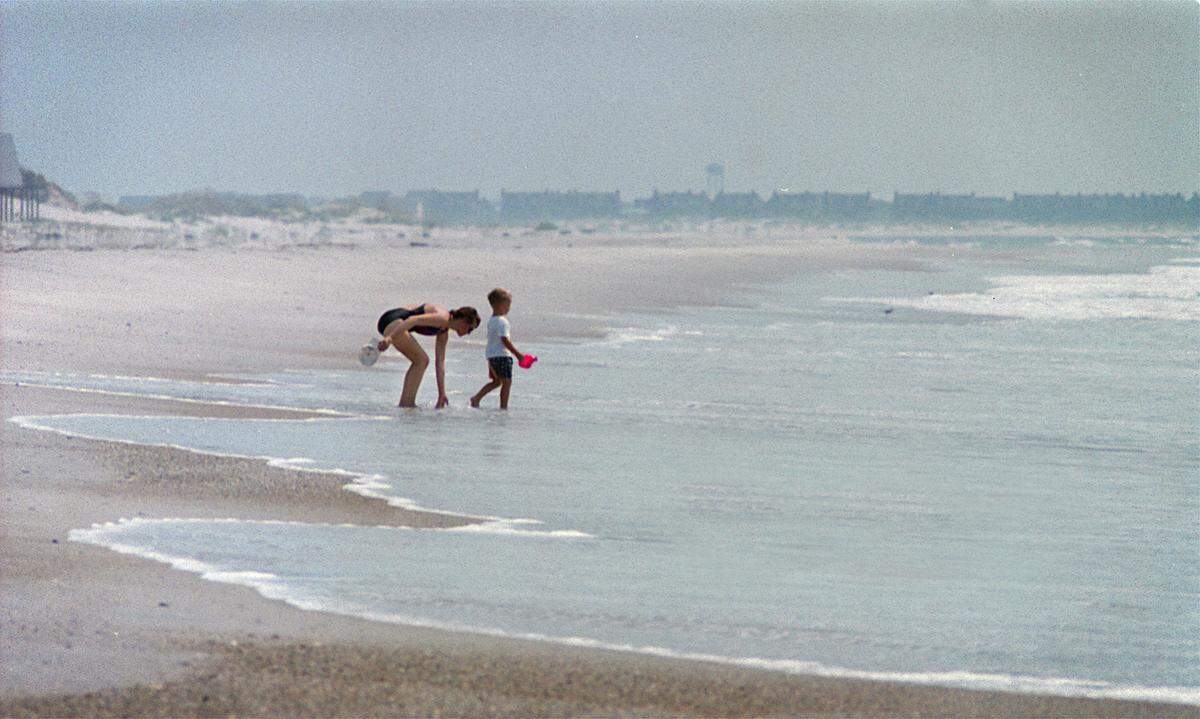
Sea lice can be found along the entire North Carolina coast, The N&O previously reported.
Each summer, thimble jellyfish make their way into North Carolina’s coastal waters, carried by ocean currents and wind. They’re especially common in warmer regions like Florida and the Caribbean.
How likely are sea lice to sting?
Not very, unless they find themselves in certain situations.
When larvae become caught under a swimmer’s clothing, such as a tight swimsuit or T-shirt, or tucked into folds of skin, the pressure can trigger their stinging cells to release toxins, according to Cleveland Clinic.
“For most people, it’s not dangerous, it’s just a pain in the butt,” Cahoon said. “They’re just defending themselves. They’re not going to eat you.”
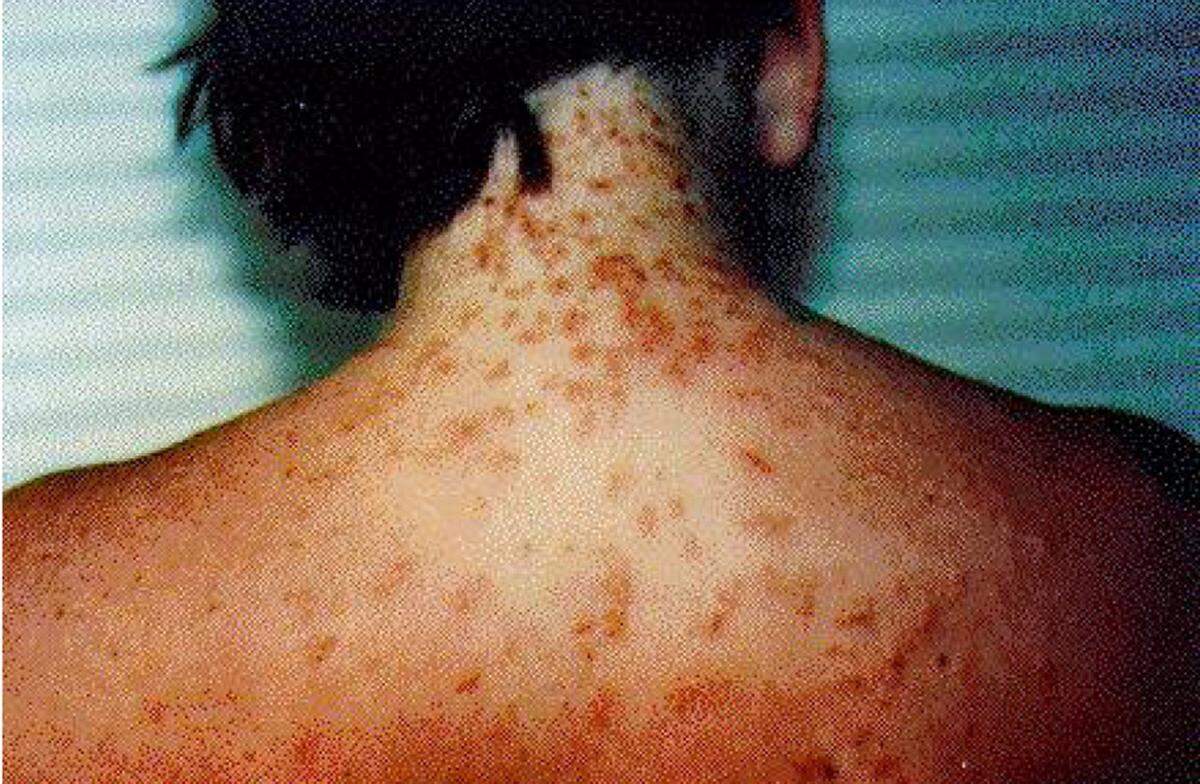
What does a sea lice rash look like?
Sea lice rashes usually develop within 24 hours after a swimmer gets out of the water, and they’re usually very itchy, with red and raised blisters, according to Cleveland Clinic.
The clinic also says some people can develop full-body symptoms, such as:
Abdominal pain
Diarrhea
Fever
Malaise (feeling unwell)
Nausea and vomiting
The clinic says you should contact a healthcare provider immediately if you:
- Notice drainage or pus coming from your rash
- Have a feeling of warmth on your skin
- Have a fever of more than 100.4 degrees
- Experience extreme pain or swelling
How do you treat a sea lice rash?
Most sea lice rashes can be treated with at-home remedies. You can use the tips from Verywell Health to relieve your symptoms:
Remove your swimsuit and wash off with fresh water to remove any remaining larvae
Apply vinegar to help neutralize toxins from the stingers
Take an antihistamine, such as Benadryl, to reduce allergic reactions
Stay hydrated, especially if you have a fever, vomiting or diarrhea
Avoid scratching to prevent infection
How to prevent sea lice stings
The only sure way to avoid sea lice is to stay out of the water, but there are ways to lower your chances of getting the rash, WebMD says.
Jellyfish larvae are most common from March to August, with the biggest numbers between April and July, meaning staying out of the water during these times could reduce your chances of developing a rash.
You should also check local beach reports and watch for warning signs or flags. In North Carolina, a purple flag means stinging creatures may be in the water.
WebMD also advises swimmers to avoid wearing t-shirts in the ocean, since more jellyfish larvae could become trapped against your skin that way. Opting for a two-piece swimsuit in favor of a one-piece could also reduce your chances of getting stung.
Inspired by a story from The Sun News in South Carolina.
This story was originally published July 8, 2025 at 11:54 AM with the headline "You’ll find stinging sea lice in NC oceans this summer. How to deal with them."