Outdated policies endanger NC police and public. Now there’s free help.
AI-generated summary reviewed by our newsroom.
- Outdated police policies in NC risk public safety and legal liability for towns.
- New free state accreditation helps departments update 116 key operational standards.
- Only 11 agencies have finished the program, though 70 more are currently enrolled.
As law enforcement agencies across North Carolina struggle with too few officers and other challenges, updating policies and training to reflect current law and best practices can be costly and time-consuming.
But when either becomes outdated, it can endanger both the public and the officers, experts say.
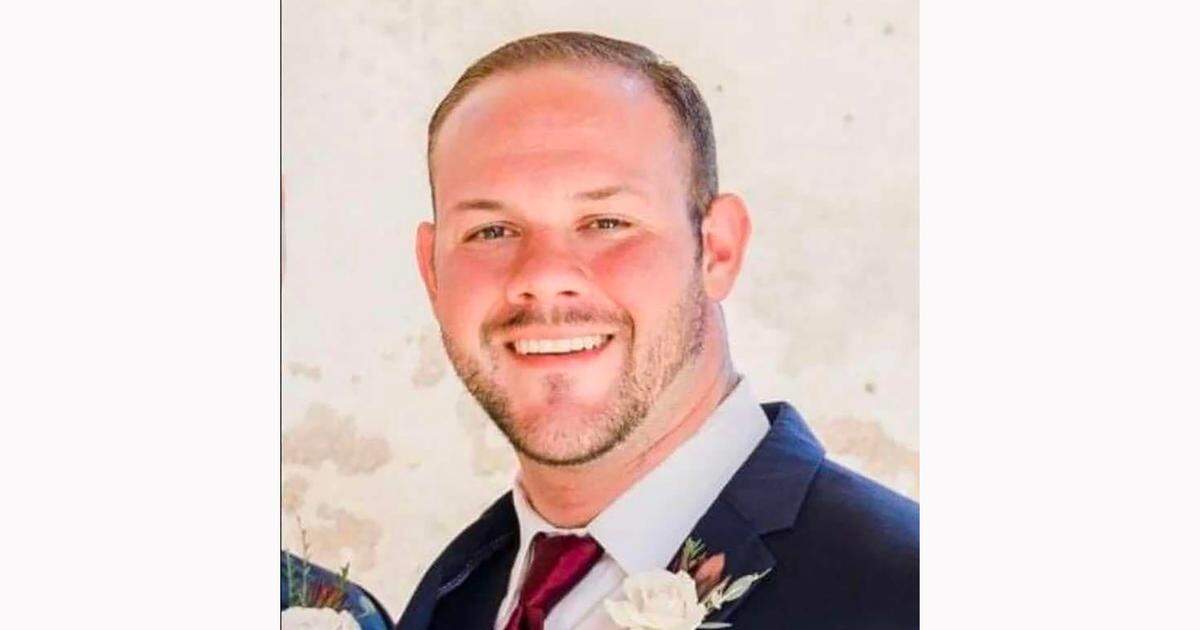
Consider the response of the Spruce Pine Police Department to Dillon Ledford, an off-duty K-9 officer with the N.C. Department of Adult Correction.
After leaving his girlfriend’s home, an extreme drop in Ledford’s blood-sugar level sent him into diabetic shock while passing through the small town in Mitchell County, a few miles north of the Blue Ridge Parkway.
Ledford, 30, ended up parking his Mini Cooper in a Walmart online-pick-up spot. His body twitched with wide eyes. He could barely move, and he could not form words.
Responding to a request for a wellness check from Walmart employees, Spruce Pine officers didn’t see a man in distress. They saw a tresspasser ignoring their commands and resisting their efforts to handcuff him behind his back.
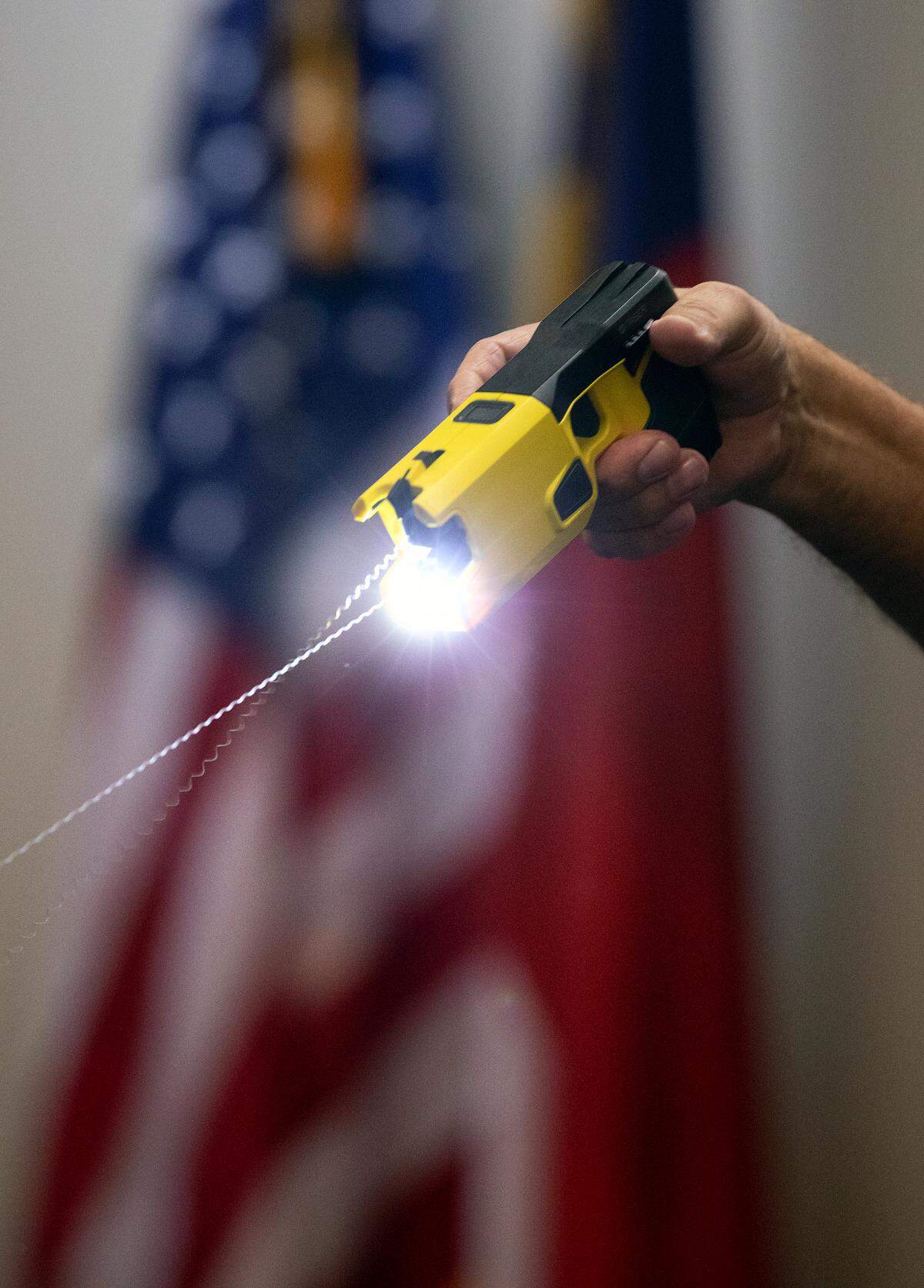
Officers pulled Ledford from the driver’s seat, punched him at least nine times, and pushed a Taser directly into his back twice before they were able to lock the handcuffs on his wrists, according to a report by Mitchell County District Attorney Seth Banks. They charged him with trespassing and three counts of resisting arrest.
In the months that followed, Banks dropped the misdemeanor charges.
Now, the town, the police chief, and the three officers face a lawsuit alleging that outdated policies and inadequate training led them to use excessive force on Ledford instead of helping him during a health crisis.
Spruce Pine, which has a population of about 2,200, last updated its Police Department policies 33 years before officers encountered Ledford. The policies offered no guidance on Taser use, and the officer who used the Taser hadn’t been recertified since 2012
Since that time, use-of-force and Taser case law has evolved, including a 2016 U.S. Fourth Circuit Court decision that said North Carolina officers should only use Tasers when they face an immediate danger beyond resistance.
New NC accreditation program
In North Carolina, two appointed commissions ensure law enforcement officers meet minimum training and certification requirements. The Sheriffs’ Education and Training Standards Commission certifies deputies. The Criminal Justice Education and Training Standards Commission certifies police officers.
However, it is up to the roughly 430 municipal police agencies, 100 sheriff offices, and about two dozen university departments across the state to develop, update and enforce their policies.
Jeff Smythe is the director of the N.C. Criminal Justice Standards Division, state staff who serve the commission that manages police certifications.
Smythe declined to comment on the Spruce Pine case. But he does encounter agencies with policies created 10 and 20 years ago, he said. To close that gap, the two commissions created the North Carolina Law Enforcement Accreditation program.
The commissions wanted to make the program accessible, Smythe said, so it is one of the few state law enforcement accreditation programs offered at no cost.
The program guides police departments and other agencies through a process to review, update, or establish 116 standards, including when to use force, Smythe said.
CALEA, the Commission on Accreditation for Law Enforcement Agencies, is another longstanding law enforcement accreditation program administered by an international nonprofit. CALEA has accredidated about 60 North Carolina agencies, Smythe said.
Cities and towns with outdated police policies are vulnerable to lawsuits, says Harry Daniels, a national civil rights attorney who has represented numerous clients suing police.
But the risk for the public is greater.
“Dead bodies. That’s what it results in. Life,” Daniels said. “It’s the life of citizens on the line.”
The N.C. League of Municipalities, which runs a self-funded insurance pool that includes a police professional liability line of coverage, agrees that updated police policies are important.
That’s why the league offers a 15% discount on its police liability coverage for agencies that complete its risk policy evaluation, with an additional 5% if they complete the new state or CALEA accreditation. The discounts save cities thousands of dollars, said Kristen Milam, a spokesperson for the agency.
“I don’t think it can be understated how important it is to make sure that the law enforcement agencies are up to those best practices and doing the best that they can do,” Milam said.
Police encounter caught on video
Ledford, who has had diabetes since he was 9 years old, doesn’t remember much about his encounter with Spruce Pine police.
But Walmart surveillance footage captured the interaction. The district attorney called on the State Breau of Investigation to review the officers’ actions but declined to press charges.
Ledford turned to a psychologist, haunted by nightmares and other symptoms of post-traumatic stress disorder. The Department of Adult Correction investigated the police interaction.
Ledford kept his job, but the charges humiliated him. His name and picture were published by “Fuzzbusters,” portraying him as a cop turned criminal, the lawsuit states. Police can still find his charges on an internal database, which prevented him from getting a new job at the Burke County Sheriff’s Office, the lawsuit states.
‘Physically combative’
Spruce Pine officials said in a press release that Ledford was “physically combative” while resisting arrest by officers, who did not know if he had a weapon.
Still, after the incident, the town updated its police policies, participated in numerous training sessions, and installed dashboard cameras in patrol vehicles, according to the release.
Spruce Pine Police Chief Kasey Cook told The News & Observer recently that he still stands by his officers. Cook said he wasn’t familiar with the new state accreditation program, but he is interested in learning more about it.
“I think any chief or sheriff would say the same thing,” he said. “Anything that would help us do our job and do it the best of our ability on a daily basis, I’m all for it.”
NC police agencies seek accredidation
The new state accreditation pipeline opened in 2023, and it typically takes six months to two years to complete. After departments receive their accreditation, they must submit annual reports and undergo a recertification every three years.
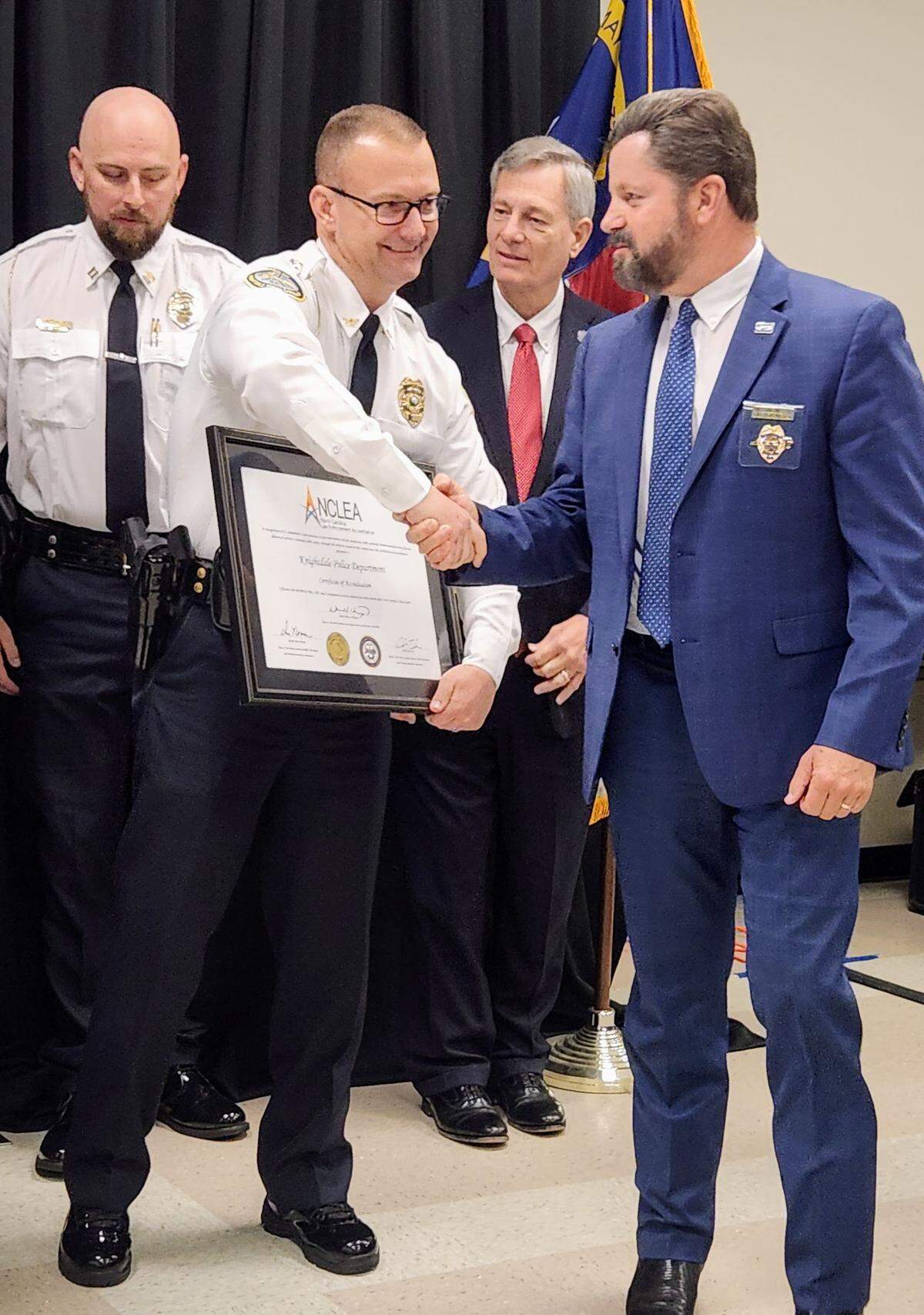
To date, 11 agencies have earned the accreditation. Two sheriffs’ offices will follow in December, and about 70 more are enrolled, Smythe said.
Kings Mountain, which straddles Gaston and Cleveland counties, and Hickory in Catawba County were among the first police departments in the state to be accredited.
In 2022, Gerald Childress became police chief in Kings Mountain. He found some policies dated to the 1980s and 1990s, he said, and overhauling them became a priority. The state accreditation offered an accessible and respected option to incorporate the latest practices in pursuit, use of force and evidence handling, he said.
The process put the Hickory Police Department “under a microscope,” said Chief Bryan Adams, leading to changes including reorganizing and restricting access to the evidence room. Hickory hired an accreditation manager, which Adams recommends.
“We definitely learned from that process and got better,” Adams said.
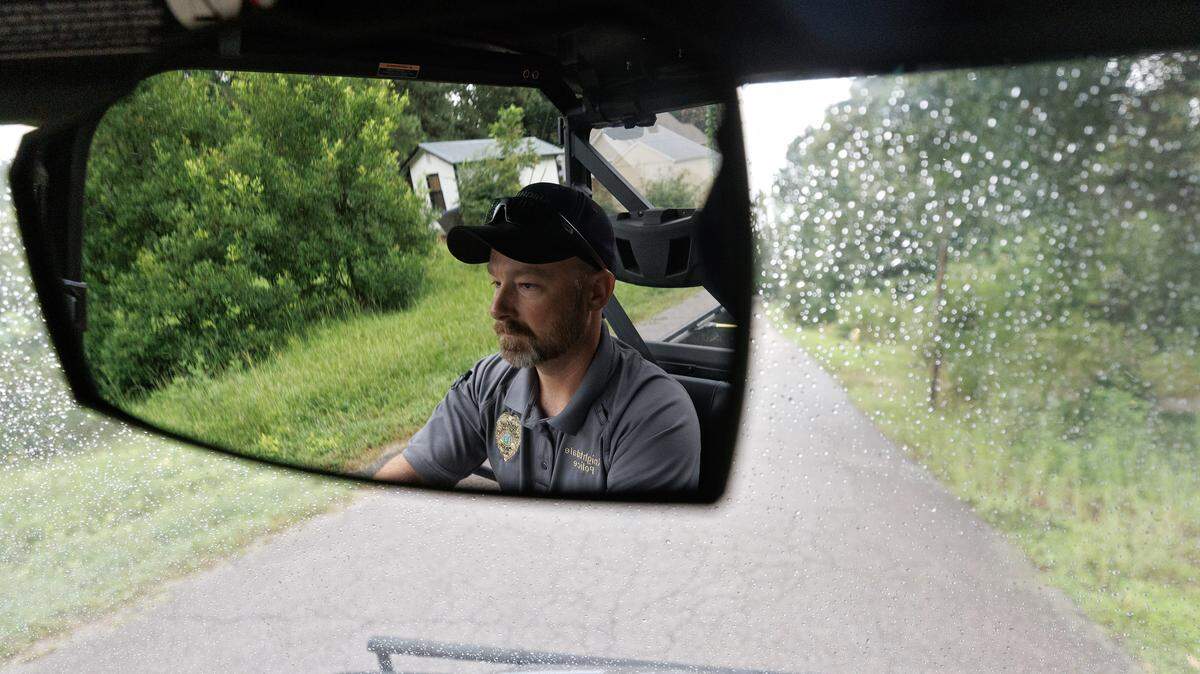
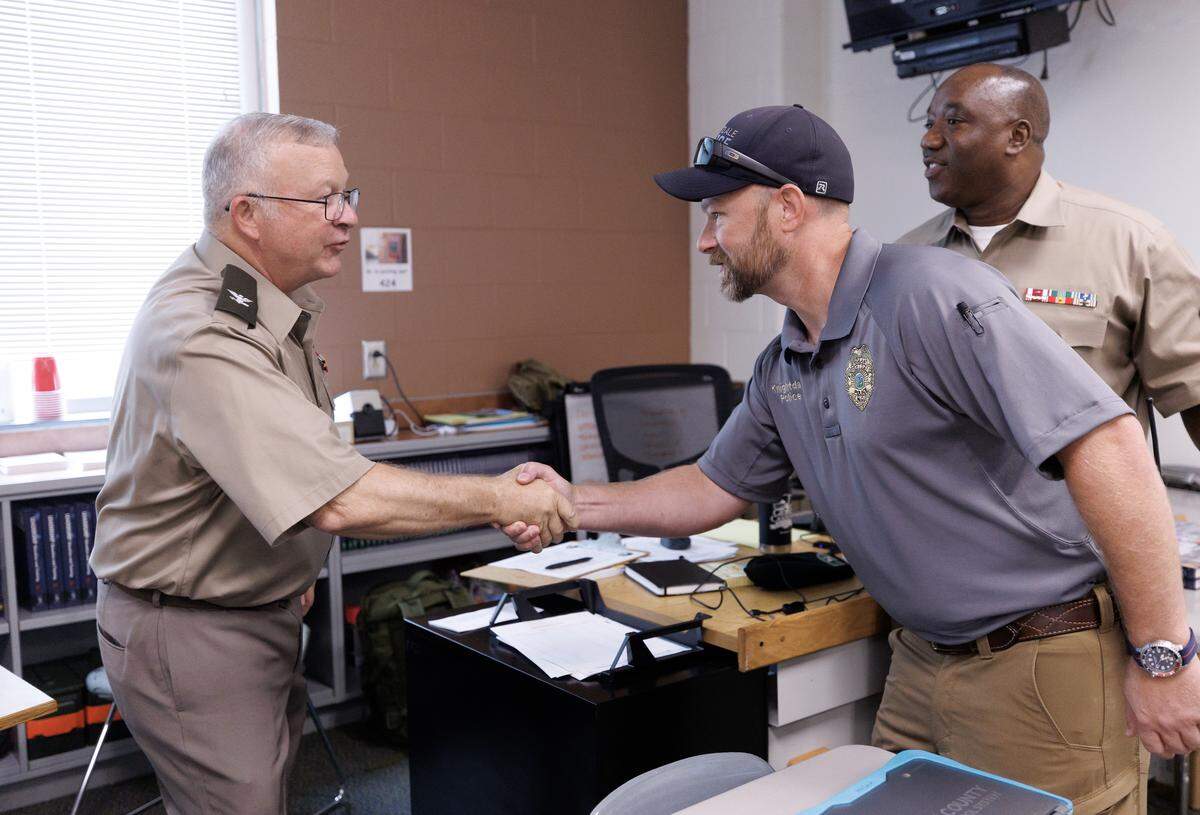
The Knightdale Police Department in Wake County had already been accredited by CALEA, Chief Lawrence Capps said. Still, they wanted to seek the state accreditation, which focused on North Carolina-specific issues and standards, including requirements to track officers who repeatedly use force, he said.
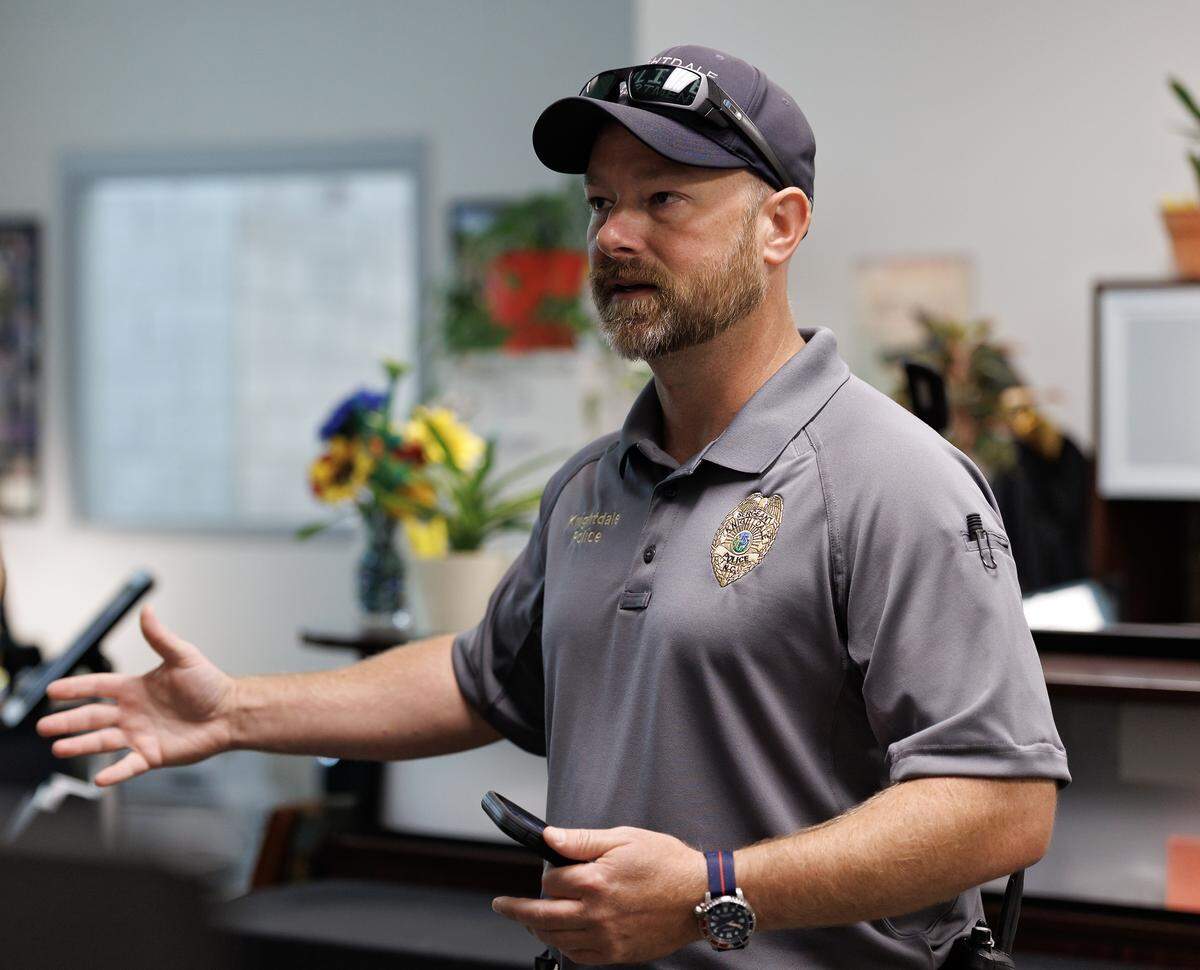
Knightdale Sgt. Rod Glahn finds reassurance in and takes pride in the department’s accreditations and said they offer more consistency to the public and officers.
If someone is involved in an incident they are unsure about, they can review the policy and look at the next steps.
“There’s no need to be in the dark or be nervous about what’s going to happen,” he said. “Let’s share some clarity on what is best practices and what the processes look like.”
Meanwhile, the Ledford lawsuit, filed on June 5, is just getting started.
Next steps will likely include officers and the town arguing they have government immunity, which shields some officials from lawsuits while doing their jobs.
To overrule the objection, the judge would need to find the allegations support Ledford’s claim his constitutional rights were violated.
NC Reality Check is an N&O series holding those in power accountable and shining a light on public issues that affect the Triangle or North Carolina. Have a suggestion for a future story? Email realitycheck@newsobserver.com.
Virginia Bridges covers criminal justice in the Triangle and across North Carolina for The News & Observer. Her work is produced with financial support from the nonprofit The Just Trust. The N&O maintains full editorial control of its journalism.
This story was originally published August 25, 2025 at 5:30 AM.