How can NC help kids stuck in county custody? Pay lawyers fairly, advocates say.
AI-generated summary reviewed by our newsroom.
- Problems beyond their control delay children in protective care getting moved to safe homes.
- Low pay reduces the number of lawyers willing to represent indigent parents, child advocates say.
- Advocates urge legislative action to raise attorney pay to expand how many lawyers will help with cases.
Almost a year after a federal lawsuit accused state officials of tolerating a crisis inside North Carolina’s child welfare system, problems persist.
Wake County officials recently confirmed that children and teenagers have been sharing one shower and sleeping on air mattresses on multiple floors of a Wake County government building while waiting for evaluations and placements. The average stay is about eight weeks, county officials told The News & Observer.
Now a Western North Carolina county is warning of unreasonable delays with when children in protective care can be placed in permanent homes. Officials say waits can be as long as months.
That can be harmful because the longer children wait in temporary care, the more vulnerable they can become to falling behind in school, substance use and long-term financial issues, according to county DSS officials.
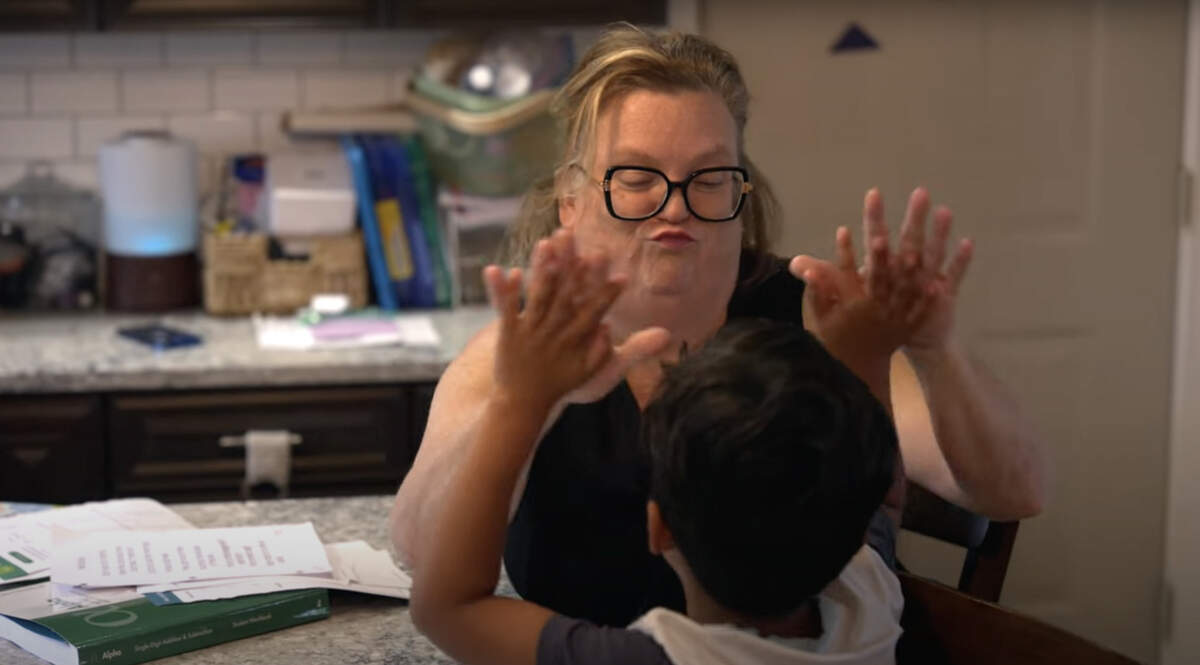
“I have children that came into care when they were born and they are now walking and talking. We should not be raising children in foster care,” Jackson County Department of Social Services Director Cris Weatherford told The News & Observer.
Jackson County this month released four videos detailing the problem and its consequences to raise its profile with state officials, including legislators, Weatherford said.
Attorney and court-date shortages
A lack of attorneys to handle the number of children entering the system is the number one issue for the Western North Carolina court delays, according to county officials, researchers and child advocates. A shortage of court dates for child welfare cases exacerbates the challenge.
Right now advocates say the state — with the $65 an hour fees — doesn’t incentivize attorneys needed to represent parents to take welfare cases.
The state’s Office of Indigent Services paid attorneys $75 an hour for taking welfare cases prior to 2011, but budget concerns caused that rate to drop to $55 an hour, according to a 2015 memo from the office. It was increased to $65 an hour in 2022 — the same rate it was two decades earlier, without adjustments for inflation.

Advocates say there are solutions. That includes legislators freeing up funds to increase the pay for lawyers taking child welfare cases — and making sure a child’s case is heard by the same judge throughout the process.
But while regulators and advocates figure out a way to increase legal representation and expand court time, children continue to wait for a stable living environment.
“The time to start solving this issue is now,” Weatherford said.
‘Court falls apart’ without parent attorneys
Court officials are supposed to abide by federally mandated timelines when it comes to child welfare cases, District Court Judge Monica Leslie said in one of the Jackson County DSS videos.
That includes removing parental rights — with some exceptions — for children who have been in the state’s custody for “15 of the most recent 22 months,” and to find a suitable family to adopt them, according to the Adoption and Safe Families Act of 1997.
In North Carolina, a child in DSS custody must have their first hearing within 60 days after an abuse, neglect or dependency petition is filed with the court, according to the UNC Chapel Hill School of Government.
It’s difficult to meet those standards in her district, Leslie said, especially with the lack of attorneys available to represent indigent parents.
If there’s a death, someone’s out on vacation or just doesn’t show up, “court falls apart,” Leslie says in one of Jackson County’s videos. Sometimes an absence might hold up an entire day of court because one attorney is on every case, other state officials said in the video.
“Ultimately, I mean, the child loses,” Gaile Osborne, executive director of Foster Family Alliance of North Carolina, told The N&O.
The current reimbursement isn’t helping increase the number of attorneys willing to take on these cases, Osborne said.
“Who in their right mind can live off of $65 an hour as an attorney and pay your overhead and your paralegal and your secretary to help push this process along from your end?” she asked during an interview.
In comparison, attorneys can make $85 an hour in Massachusetts, up to $90 an hour in Virginia and $150 an hour in Illinois for these types of cases.
These cases are difficult and emotional work, IDS Parent Defender Annick Lenoir-Peek told The N&O. Other types of representation are less stressful — and more lucrative. Lawyers can make up to $175 an hour for non-capital criminal cases at the federal level, for instance.
Lenoir-Peek said even with a needed rate hike, a limited number of lawyers in some areas also stand in the way.
On the ground, that means attorneys might not be able to make it to court in one county if they’re representing a parent in a court an hour away.
In Western North Carolina’s 43rd District’s seven counties, 400 children entered child protective system prior to the videos being released. And there are 10 part-time parent attorneys, according to Weatherford.
Limited court dates
In addition to the limited supply of lawyers, there is a limited supply of family court dates for these cases, according to 2024 data from the Dogwood Health Trust shared with The N&O.
In some Western North Carolina counties, like Clay, Graham and Swain, there’s only one day scheduled for child welfare cases per month, the data shows.
The number of family court days is set by the local Chief District Court Judge and is dependent on the number of judges in each district and the amount of courtrooms available, according to Lenoir-Peek.
“We likely need the legislature to increase the number of judges in that district,” she said.
The lack of court time is intertwined with the lack of parent attorneys, according to Neil Harrington, the research director of NC Child.
For instance, the 43rd District Court serves seven counties in a mountainous region.
If a parent attorney in Clay County all of a sudden has to be in Jackson County a couple hours later, Harrington says it “might be almost impossible for them to get there to meet a hearing.”
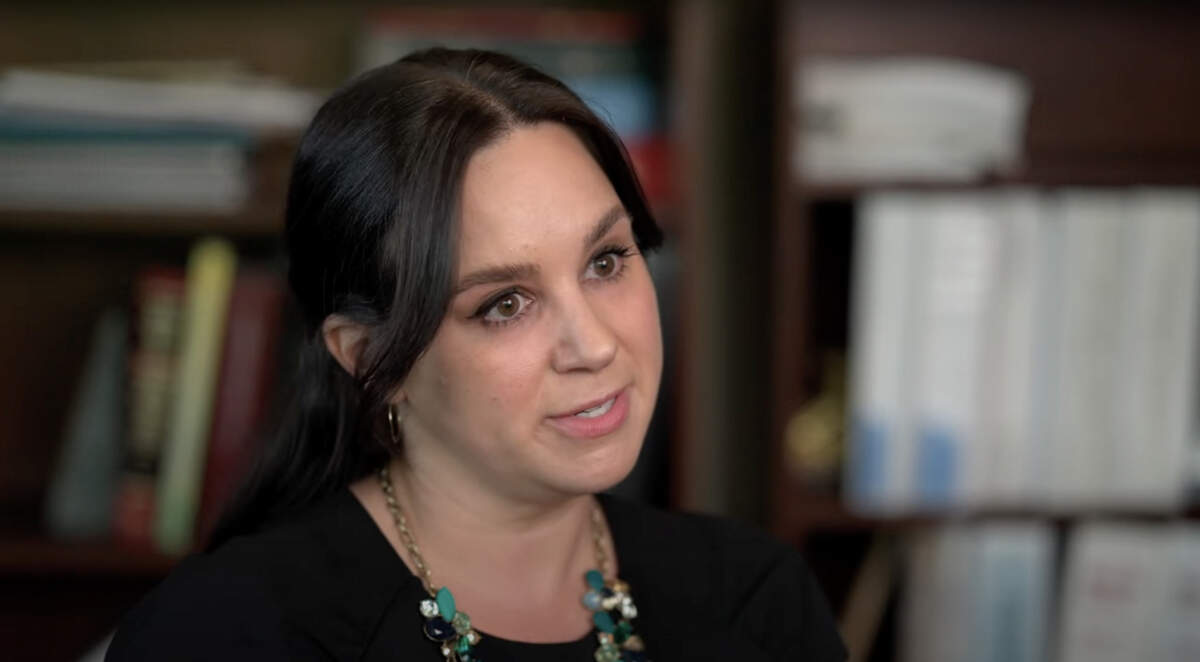
Rachel Hawes, the Haywood County agency attorney, has prepped 63 cases scheduled for a two-day court session, she reported in one Jackson County video. It was necessary, she said, because if one case doesn’t move for some reason, then you move on to case number two.
“You cannot waste court time, it is precious, you will use every minute of it,” she said. “Just try to get some resolution for some of these kids.”
Most court case continuances are due to attorneys not being available in each county on available court dates, Weatherford, the Jackson County DSS director, said.
“Which is so heartbreaking, because the foster care mom’s taken off work, that kid’s pulled from school, you have the attorney from DSS, you have guardian ad litem, they’re all there. The parents are there. And court’s continued,” Channah VanRegenmorter, program and strategy officer for the Dogwood Health Trust, told The N&O.
Virtual hearings could help ease the burden on the few parent attorneys working in the western part of the state, Harrington said.
But legislation to increase what the state pays for lawyers to take child welfare cases is key, advocates and experts agree. The four videos posted by Jackson County this month describe all end with the same message:
“Every child deserves a safe and nurturing home. Let’s not fail them,” the last slide of the videos read. “Start by paying parent attorneys fairly.”
This story was originally published August 28, 2025 at 5:30 AM with the headline "How can NC help kids stuck in county custody? Pay lawyers fairly, advocates say.."