
Can a skunk encounter actually be dangerous? What to know in North Carolina
A rabid skunk earlier this month attacked several cats in southeastern North Carolina.
Unfortunately, one cat died in the incident that occurred in Gaston County, according to WCNC
While skunks are often associated with a pungent odor, do they actually present a physical danger to pets and even humans?
How often do skunks confront other animals or people? Here’s what to know about the creatures and what to do if you encounter one.
What types of skunks are there?
There are two species of skunks in North Carolina, according to Triangle Wildlife Federation:
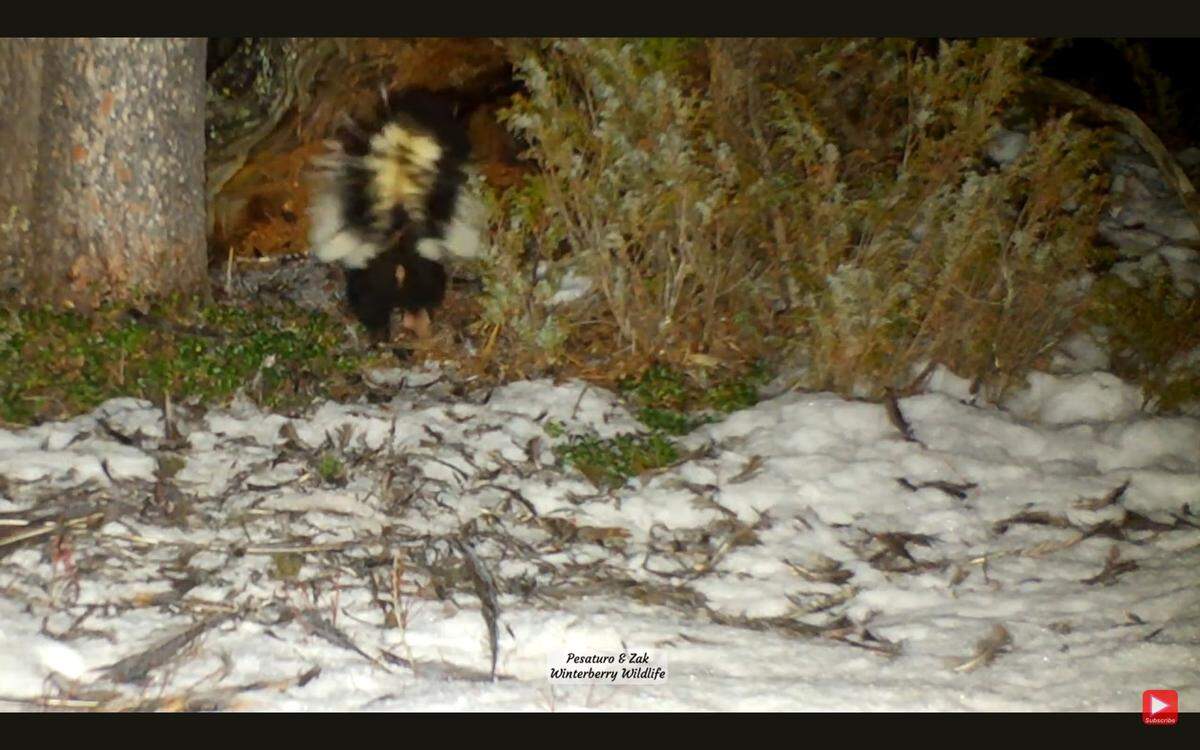
The striped skunk and the spotted skunk. While spotted skunks are mostly found in the western part of the state, striped skunks are present in nearly every county, the N.C. Wildlife Resources Commission says.
Are skunks really dangerous?
While skunks tend to try to stay out of the way, like all animals, they will protect themselves if necessary, says pest control company Big Blue Solutions.
“If a person or animal frightens a skunk, the skunk will most likely face the person, straighten its legs and arch its back, put its tail straight up, and bristle the tail hair to give the appearance of being larger,” according to North Carolina Wildlife. It may also click its teeth and stamp its feet on the ground.
If the person or animal continues to advance, the skunk may then spray a musk secretion from scent sacs located in its hindquarters, the agency explains.
The striped skunk has the ability to “spray a yellowish, nauseating musk” from glands in its butt that can cause temporary blindness and leave behind a putrid smell, according to N.C. Wildlife.
However, the main reason why skunks are dangerous is that they carry diseases and parasites. Skunks cause the following issues:
*Carriers of rabies. *They host different parasites and introduce them to your property. *They spread other diseases such as distemper and salmonella. *Skunk spray can also be potentially fatal in rare cases when a person is allergic.
“Skunks are a rabies vector species in North Carolina, but encounters with rabid skunks are uncommon,” according to NC Wildlife.
Where do skunks live?
Skunks live in areas with a mixture of woods, brush, and open fields, NC Wildlife said. The animals prefer “timbered areas and pastures” with good water sources.
They hunt and move mostly at night or early morning. Skunks do not hibernate, but during cold weather, they become dormant and remain in their den for most of the winter, according to the agency.
How to keep skunks away
Homeowners are encouraged to reduce possible contact with skunks by following these tips, according to N.C. Wildlife:
*Secure your garbage *Feed pets indoors *Keep bird feeders clean *Eliminate hiding places *Eliminate grubs from your yard
Striped skunks can be hunted year-round, but it is recommended to check local ordinances in your town to ensure compliance with firearm discharge regulations before hunting, N.C. Wildlife recommends.
What to do if sprayed by a skunk
According to N.C. Wildlife, if you or your pet are sprayed by a skunk, you can mix the following ingredients and spray the affected area to get rid of the smell:
*One quart of 3% peroxide *One-fourth cup of baking soda *One tablespoon of liquid dish detergent
You should not premix or store the mixture, as the solution could explode. N.C. Wildlife says.
This story was originally published October 24, 2025 at 11:00 AM with the headline "Can a skunk encounter actually be dangerous? What to know in North Carolina."