C’sar the elephant, the oldest of his kind in the US, has died at the NC Zoo
AI-generated summary reviewed by our newsroom.
- C’sar, 51, died Dec. 19 at the N.C. Zoo, ending tenure as U.S. oldest African bull.
- Born in Kenya and orphaned, he arrived from the Toledo Zoo in 1978 at about age 4.
- He helped inaugurate the Watani Grasslands in 1980 and drew visitors with pond displays.
C’sar the elephant, the N.C. Zoo’s longest-tenured and one of its most charismatic residents, has died.
The park announced C’sar’s passing on Monday, Dec. 22, saying he died peacefully on Dec. 19 under the care of a team of experts who had been monitoring him closely.
He was 51 years old, making him the eldest African bull elephant in the United States.
C’sar was born in Kenya and orphaned at a young age. He came to the N.C. Zoo from the Toledo Zoo in 1978 when he was about 4 years old. At the time, the park’s first permanent habitat region — Africa — was under construction.
When it opened in the summer of 1980, C’sar moved into the 40-acre Watani Grasslands, where he was joined by a herd of female elephants along with rhinos, antelopes and gazelles.
Visitors who lingered at the grasslands during summer visits often were treated to the sight of C’sar and his mates splashing themselves and each other in a pond near the viewing stand.
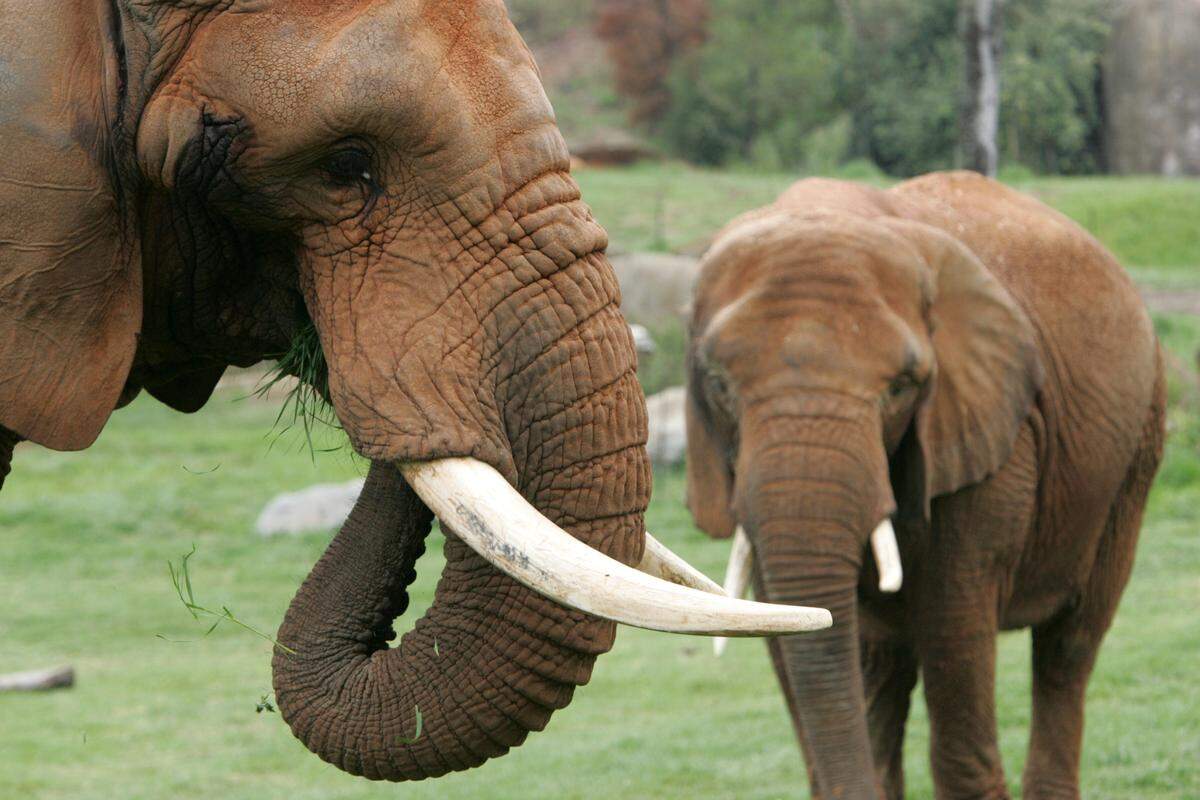
Though C’sar and the other elephants often are stained a rust color by Piedmont North Carolina’s red clay mud, they are members of a species native to Africa and considered vulnerable because of habitat loss and fragmentation, conflicts with humans and poaching for their ivory tusks.
The zoo celebrated C’sar’s 50th birthday in 2024 with a “cake” and treats hidden around his habitat. At the time, he weighed about six tons and stood about 11 feet tall at the shoulder.
While zoo officials had hoped C’sar would become part of the worldwide captive breeding program, he never sired any offspring.
“C’sar was a living piece of history and a beloved member of our Zoo community,” Diane Villa, interim director of the North Carolina Zoo said in a release Monday. “His gentle presence and remarkable story introduced millions of guests to the wonder of wildlife and the importance of conservation. We are grateful to every staff member, past and present, who devoted their time, expertise, and hearts to caring for him. His longevity is a testament to the love and quality of care he received throughout his life.”
Health challenges and remarkable milestones
As he aged, C’sar developed medical challenges similar to those of the visitors who came to see him year after year. He had arthritis and his vision declined.
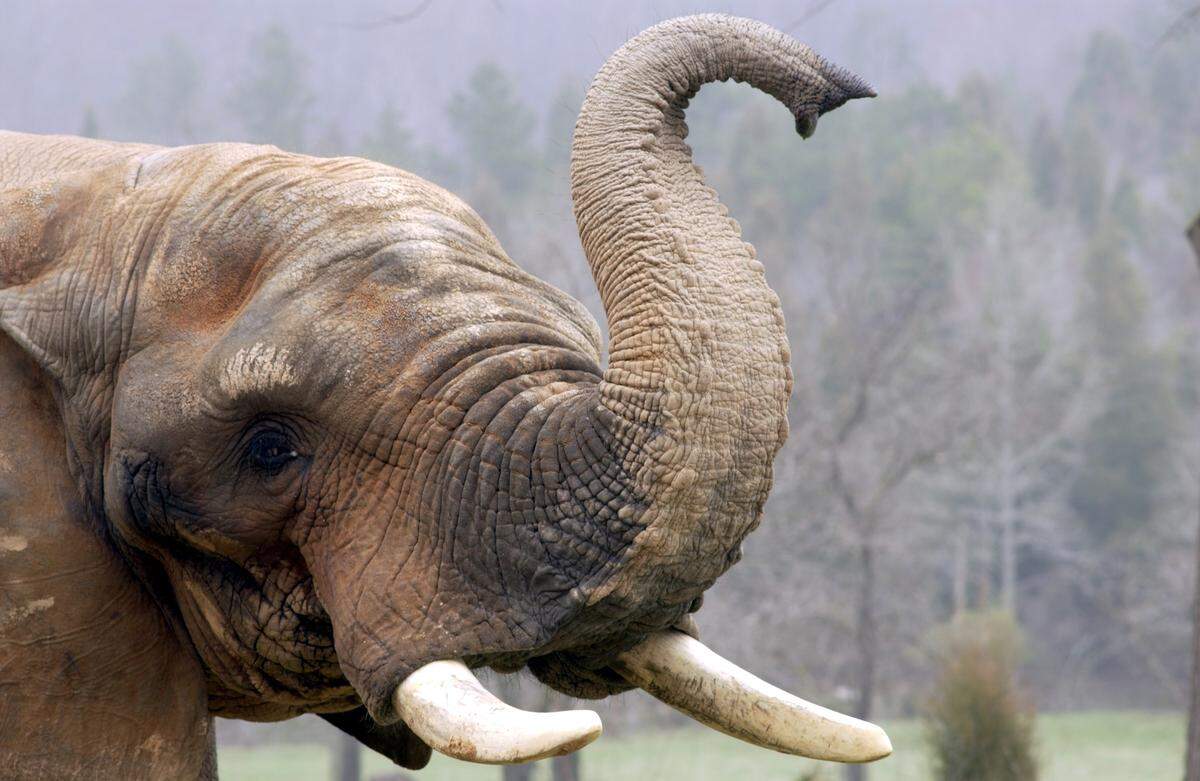
But in 2011, he made history as the first elephant in the world to undergo successful cataract surgery and later became the first to receive custom-fitted contact lenses. He benefited from other innovative care techniques, the zoo said, including yoga poses several times a week to maintain his strength, balance, and flexibility.
“Meeting C’sar up close and getting the chance to feed him was a highlight in my first year in this role,” N.C. Department of Natural and Cultural Resources Secretary Pamela B. Cashwell said in the release. “Not only did C’sar bring joy to visitors for decades, but he embodied everything that is wonderful about the North Carolina Zoo: conservation, education, and phenomenal animal care. We will miss him, and our thoughts are with his keepers, Zoo employees, and all those who loved him.”
Through the Zoo’s elephant conservation program in West Africa, C’sar served as a global ambassador for African elephants.
“C’sar helped people understand why conservation matters,” Rich Bergl, deputy director and chief mission officer of the Zoo, said. “Because of him, guests have felt a personal connection to the challenges faced by wild elephants and have seen how we all have a role to play in ensuring the survival of elephants and other wild species. He was truly an inspirational animal and will be missed.”
The Zoo plans to honor C’sar’s memory with events in the coming weeks. Meanwhile, donations to The C’sar Legacy Fund can be made through the NC Zoo Society’s website.
This story is available free to all readers thanks to financial support from the Hartfield Foundation and Green South Foundation, in partnership with Journalism Funding Partners, as part of an independent journalism fellowship program. The N&O maintains full editorial control of the work. If you would like to help support local journalism, please consider a digital subscription, which you can get here.
This story was originally published December 22, 2025 at 5:00 PM.