NC drought worsens to include central, Eastern NC. Outlook for rain this winter
AI-generated summary reviewed by our newsroom.
- Nearly all of NC in moderate to severe drought; reservoirs at risk.
- Below-average rainfall expected through April for nearly half the state.
- Officials urge water conservation and advise against outdoor burning.
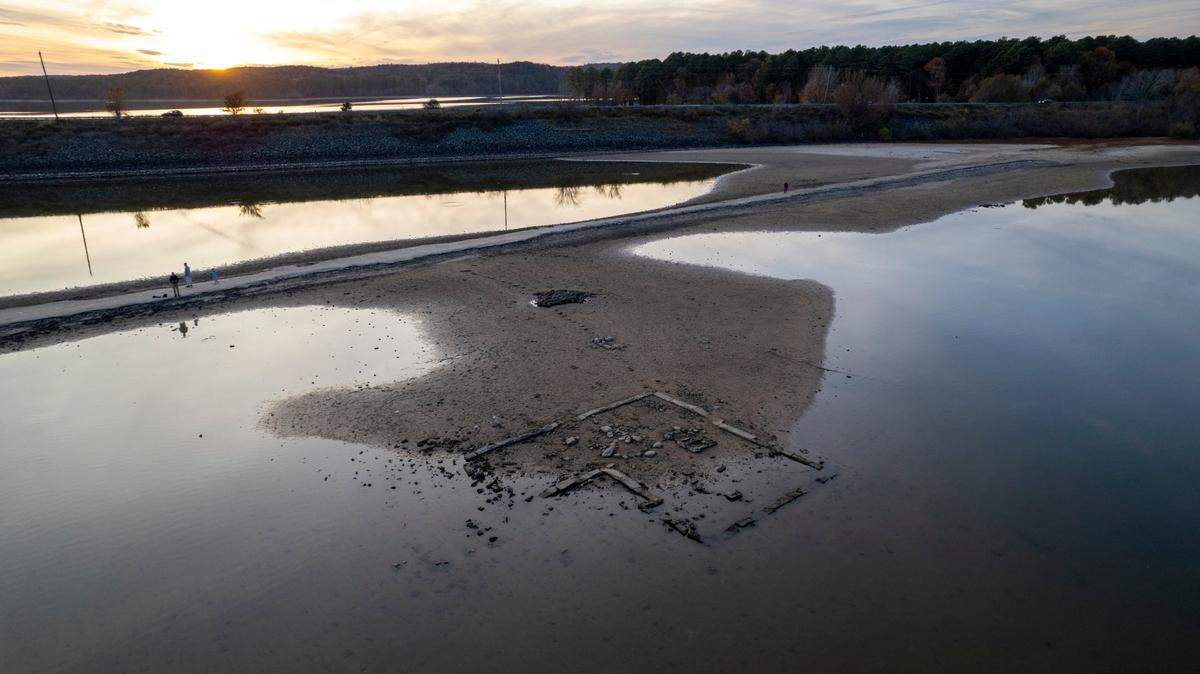
Nearly all of North Carolina is in moderate or severe drought and below-average rainfall is expected over nearly half the state through April.
Water restrictions could automatically take effect in some places if reservoirs continue to drop. Meanwhile, the state Forest Service has advised against outdoor burning to reduce the risk of wildfire.
“In June and July, we had above-average rainfall,” said Tom Green, a National Weather Service meteorologist in Raleigh. July, in particular, was wet — with damaging flash-flooding in Orange and Durham counties as a result of Tropical Storm Chantal, which dropped more than 10 inches of rain in parts of central North Carolina, about twice what the area usually receives in the whole month of July.
“But for the past four and a half consecutive months, we’ve been below normal,” Green said, citing rainfall totals recorded at Raleigh Durham International Airport. That’s in part because the 2025 Atlantic hurricane season, which ended Nov. 30, brought no other major rainmaker storms to the state after Chantal.
In addition, the El Niño-Southern Oscillation phase of the Eastern Pacific Ocean has been in a weak La Niña phase since last fall, which for the Southeastern United States typically means warmer and drier weather than normal.
During the four months ending in December, RDU had seen about 4 inches less rain than normal, Green said.
January, too, has been dry so far; normally RDU sees an average of 3.5 inches of rain for the month and as of Jan. 15 received just .02 inches.
Prevent forest fire
North Carolina has not taken the rare step of issuing a statewide outdoor-burning ban, but the N.C. Forest Service says outdoor burning “is not recommended.”
“Fire danger is elevated across the state,” the Forest Service website says. “Dry grasses, dead leaves and other vegetative debris could easily ignite and spread quickly.”
Fire officials have been particularly concerned about downed trees that remain on the ground in mountainous areas where the remnants of Hurricane Helene ripped through in late September 2024.
The National Weather Service issued a hazardous weather outlook for much of central North Carolina Friday as cold and blustery conditions ahead of the incoming storm system increase the risk of spreading any wayward sparks. Low relative humidity values of 15% to 25%, paired with dry fuels and wind gusts of up to 35 mph will raise fire risk Friday, the Weather Service said.
Do we need to conserve water?
The N.C. Drought Management Council urges water systems and their customers in areas of moderate or severe drought to conserve water based on their drought category. That includes reducing or eliminating nonessential water use such as washing cars or filling pools; inspecting lines, fixtures and equipment for leaks; and making repairs.
NOAA’s Climate Prediction Center shows conditions improving later in the spring with a likelihood of above-average rain.