
Here’s how to vet North Carolina doctors and hospitals
AI-generated summary reviewed by our newsroom.
- Information helps patients assess the quality of medical providers.
- NC Medical Board shows licenses, public actions and lawsuit payout dates.
- More resources include DocInfo, ABMS, CMS, Leapfrog, U.S. News and Healthgrades.
When on the hunt for a new doctor or considering a major surgery, it’s quick and easy to turn to online reviews to see other patients’ experiences. While those can be valuable, there’s a lot they might not reveal about a physician. That includes any disciplinary history, medical malpractice payouts or sanctions by the state medical board.
Some of that information isn’t available to the public — firings and other disciplinary actions by employers, for instance, are confidential. But there are resources that help shed light on the performance of doctors and hospitals.
North Carolina Medical Board website
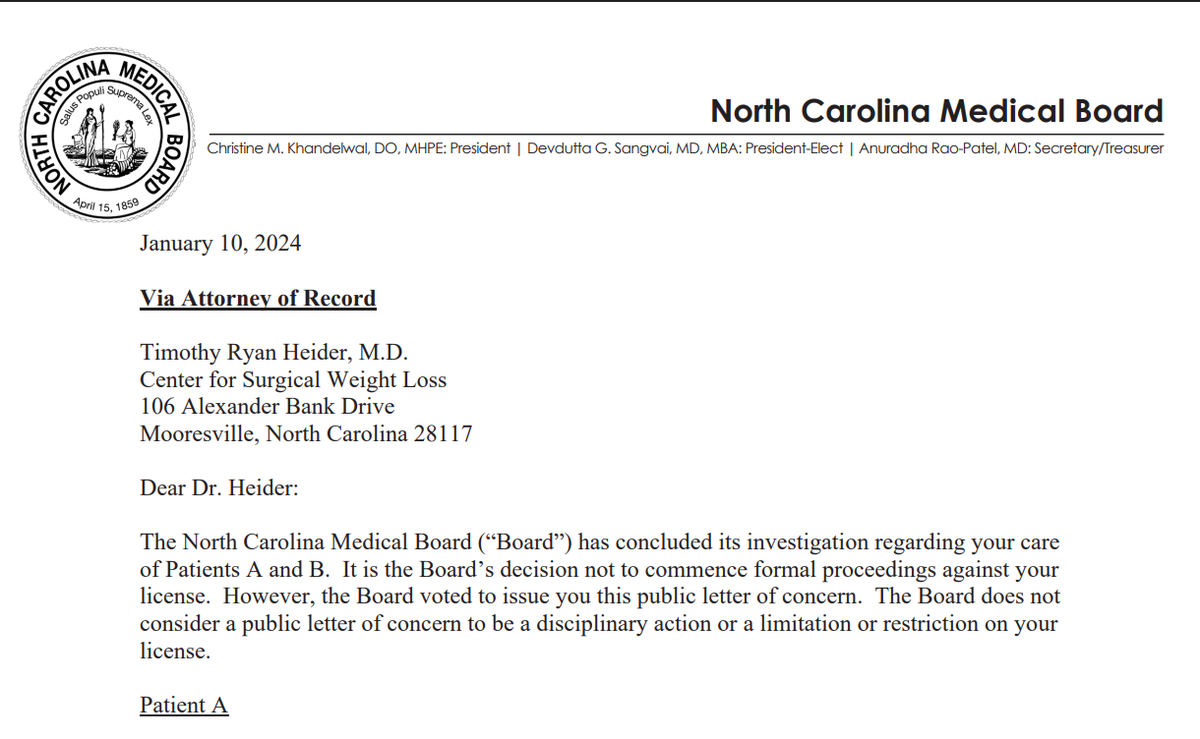
You can confirm that a person is licensed to practice medicine here at The North Carolina Medical Board’s website. Search by a person’s name to find basic information about a physician or physician assistant, including their education and where they practice. It also includes any public actions taken by the board against a licensee, as well as dates of malpractice lawsuit payouts over $75,000 made on a doctor’s behalf within the last seven years.
Not present are specific dollar amounts or any details about what medical malpractice payments were for. Also unavailable is information about any private letters of concern or investigations into a physician conducted by the board. Nor can you find which physicians have participated in substance abuse treatment programs like the North Carolina Professionals Health Program, since that’s confidential.
You might see if a physician was disciplined by another state’s medical board if the NC board takes public action related to the discipline, but that’s not guaranteed since laws dictating doctor behavior vary by state. Docinfo.org includes information from medical boards nationwide via the Federation of State Medical Board’s Physician Data Center — it may be the best starting place to find out about your doctor’s history, irrespective of state lines.
Some people receive care from nurse practitioners, who are supervised by physicians. You can verify a license and see any recent disciplinary action for nurse practitioners at the North Carolina Board of Nursing website.
Board and program certifications
Some physician disciplinary history, including actions taken by hospitals or other employers, is never made public.
Some of that information is required to be reported to the National Practitioner Data Bank, a central repository that healthcare organizations can access.
Yet, hospitals rarely make those reports, data has shown. Sometimes that’s due to agreements with doctors that allow them to resign rather than be fired, for example.
“Hospitals generally go out of their way not to take a reportable action unless it’s a really serious action” and they want a physician gone, said Bob Oshel, a PhD and former associate director for research and disputes for the National Practitioner Data Bank. That makes it harder for employers hoping to use the data bank to vet a doctor before hiring.
Other online tools can offer insight into a physician’s qualifications, though.
Some doctors are board certified. That means they have met certain training and testing standards in a specialty area of practice beyond what’s required of all licensed physicians.
The American Board of Medical Specialties offers a free online tool to check if a doctor is board certified, including by which board and whether they’re keeping up with requirements like continuing education to maintain board certification.
Quality improvement programs can also offer clues as to which hospitals and clinics offer advanced care in a particular specialty. The American College of Surgeons’ online tool shows accredited centers that participate in quality improvement programs across disciplines including trauma care, vascular care, bariatric surgery and more.
The state of North Carolina has its own requirements for trauma centers and maintains a list of such facilities, as well as other trauma resources, online.
Third-party designations
Third-party hospital rating or ranking programs can also offer insight into how well a particular hospital has done when it comes to things like patient safety.
The federal Centers for Medicare and Medicaid includes quality scores for hospitals on its website, comparing metrics like how well hospitals treat certain conditions and patient survey results. Physician groups are also rated on some performance measures, like whether they provide electronic access to records for patients. The use of electronic medical records improves patient safety and care coordination, research has found.
The Leapfrog Hospital Safety Grade program ranks facilities based on both federal records and voluntary hospital survey data about medical errors, injuries, accidents and onsite infection rates. Its online search tool allows patients to see a hospital’s grade as well as how it performed across several standards.
U.S. News and World Report annually ranks hospitals nationwide based on patient outcomes, how well a hospital follows standards of care and a facility’s resources.
Healthgrades, on the other hand, focuses on clinical outcomes. It offers state rankings across several specialties including cardiac care, pulmonary care and more.
Civil and criminal records
Like anyone in North Carolina, physicians may be named in civil lawsuits or criminal cases. That’s where a search of the statewide eCourts system can come in handy.
Details on most criminal charges and medical malpractice lawsuits should be visible on eCourts. Searching for the names of hospitals and clinics should turn up records of lawsuits involving them, too.
If there is no record of a civil or criminal case you know exists, it may not have been uploaded to eCourts, the state’s relatively new record-keeping system. If that’s the case, courthouse clerks can often help find and upload records. Criminal case records won’t include expunged cases or sealed filings.
EDITOR’S NOTE: This story is part of an investigative series examining patient care in North Carolina. If you have a story to share, contact Amber Gaudet at agaudet@charlotteobserver.com.
This story was originally published February 19, 2026 at 9:54 AM with the headline "Here’s how to vet North Carolina doctors and hospitals."