Want to register your vehicle in NC? Here’s what you need & what it’ll cost
AI-generated summary reviewed by our newsroom.
- NC requires annual registration and proof of insurance for renewal.
- New residents must get an NC license, then submit title, MVR forms and insurance.
- Expect title, highway‑use tax and plate fees; late fees are statewide flat amounts.
Registering your car with the N.C. Division of Motor Vehicles (NCDMV) is legally required for you to drive it.
Vehicle registrations allow the DMV to determine ownership, and helps you avoid liability if your car is ever stolen and used recklessly by another driver.
If you just moved to North Carolina, or recently purchased a new car, here’s what you need to know about registering your vehicle.
How can I renew my registration?
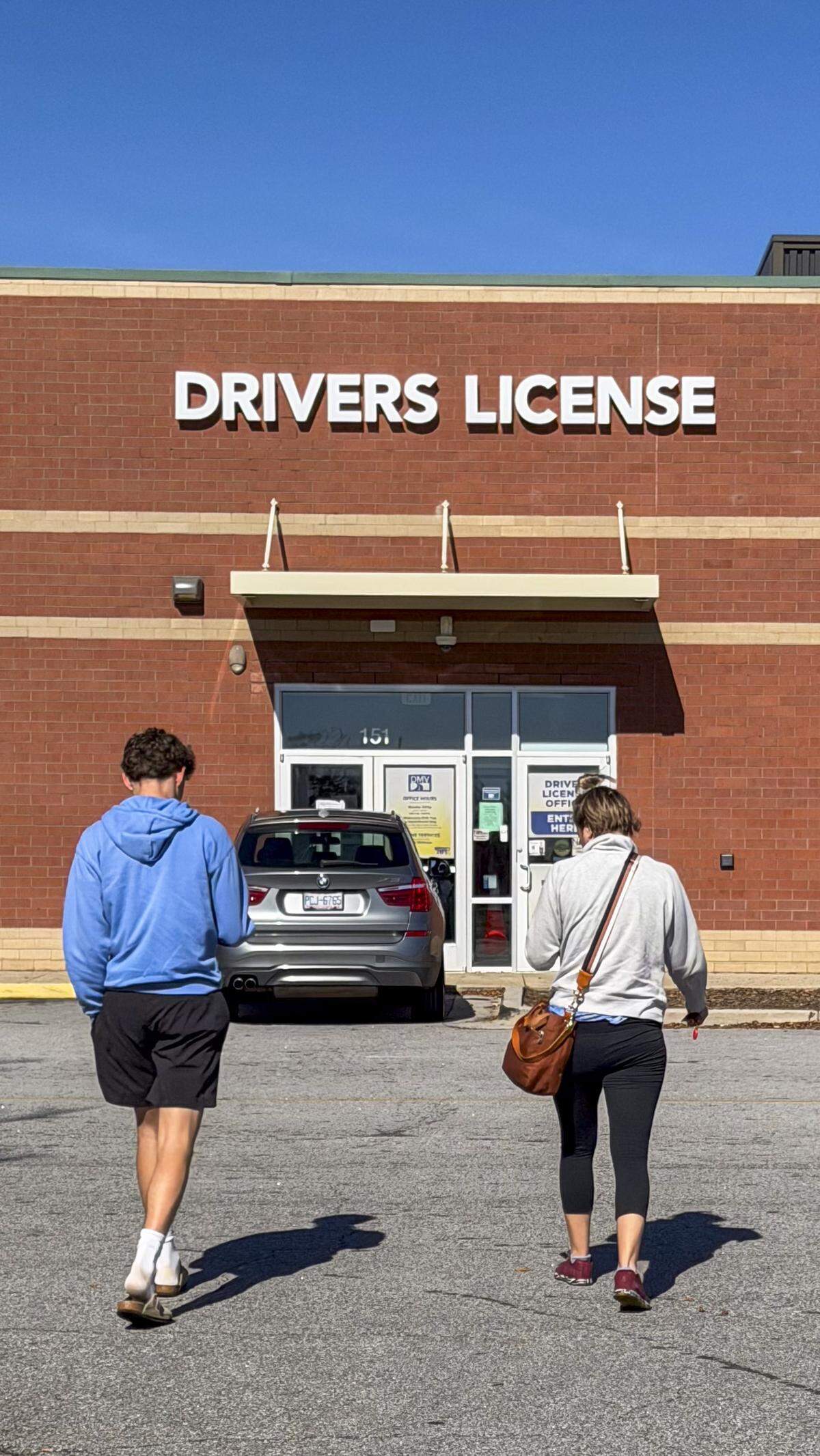
Registration renewals can be completed online at payments.ncdot.gov/service/ncdmv, by mail, in-person at a license plate agency or in-person at a self-service kiosk. There are 115 open driver license offices, 129 open license plate offices and 19 kiosk locations.
The NCDMV added 10 new kiosks to Wake, Mecklenburg and Cumberland counties in February 2026, The News & Observer previously reported.
It’s helpful to have your renewal notice, but if you lost it or can’t find it you’ll need two things: the last five digits of your vehicle title number (which can be found on your registration card) and your license plate number.
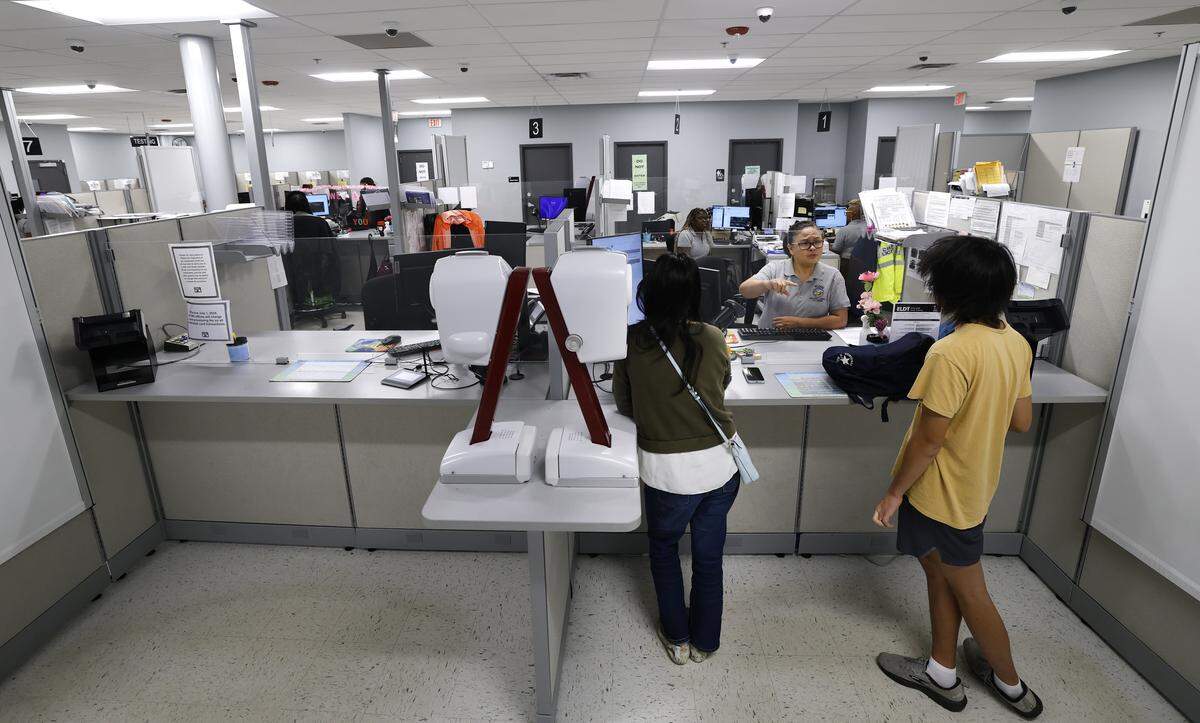
The state recommends renewing your registration online or at a kiosk to skip long waits at the driver’s license office. The DMV recently added back estimated wait times on its DMV website, The N&O reported.
How often do I need to renew my registration?
Vehicle registrations must be renewed annually, NCDMV says.
What are the requirements to renew my vehicle registration?
Before renewing your registration, your vehicle must pass safety and emissions inspections no more than 90 days before its license plate expires.
Proof of car insurance is also required for a vehicle registration to be renewed.
What if I just moved to North Carolina?
If you’re a new resident, you’ll first need a North Carolina license. You’ll need to visit a driver’s license office in person with the following:
- Out-of-state license or a document with your full name proving identity and date of birth
- Society security card or other document providing social security number.
- A document verifying your physical address in NC (bring two if getting a REAL ID)
- If you’re not born in the United States, a document with your full name providing your residency status
- A printed document providing liability insurance coverage from a provider licensed to work in North Carolina.
Then you’ll need to take the following to a local license plate agency to register your vehicle:
- That NC driver’s license
- A vehicle title
- MVR-1 Title Application
- MVR-180 Disclosure, if your vehicle is less than 10 years old
- Proof of North Carolina car insurance
The vehicle won’t need to be inspected before its registered in the state, but you’ll be required to get an inspection before your next annual registration renewal.
How much does it cost to register a vehicle?
When you register your car, you will be required to pay a title fee, highway-use tax and plate fee.
The fee for a new title is $66.76. The state highway-use tax is 3% of a vehicle’s value, and won’t exceed $250 for new residents.
The standard plate fee for most counties is $46.25. If you live in Durham, Orange or Wake counties you’ll pay slightly more, $53.75.
How much does it cost to renew registration?
The fee to renew a private passenger vehicle is $46.25. If you are renewing the registration for a motorcycle or moped, it will cost $25.50. Renewal fees for all types of vehicles can be found on the NCDMV website.
Motorists also have to pay a tax based on the appraised value of your vehicle, which depends on your county’s property tax.
What if I renew my registration late?
A late fee of $15 will be charged for plates that have expired in the past month. It increases to $20 for if its one to two months late and $25 if it’s late for more than two months.
Portions of this story were previously published in The Charlotte Observer.